

Transform Your Wandsworth Tooting Flat: Maximising Space and Value

Flat conversions in Wandsworth and Tooting have become a smart way to increase living space and boost property value. Whether you own a Victorian property or a modern block, converting parts of your flat can dramatically improve functionality, style, and comfort.
This blog walks you through key aspects of flat conversion, practical tips, and what homeowners in Wandsworth and Tooting are doing to enhance their spaces.
Key Takeaways
- Flat conversions in Wandsworth and Tooting maximise space and property value.
- Loft, basement, garage, and room reconfigurations are the most common types.
- Planning and permissions are critical to avoid legal and structural issues.
- Modern conversions focus on natural light, multipurpose rooms, and energy efficiency.
- Experienced contractors and proactive supervision ensure smooth project execution.
Why Flat Conversion Matters in Wandsworth and Tooting
The property market in Wandsworth and Tooting is competitive. Homeowners seek ways to make the most of limited space while keeping designs fresh and functional. Flat conversion projects address these needs by:
-
Increasing usable space: Many flats have underutilised areas, such as attics, basements, or lofts. Conversion transforms these spaces into bedrooms, offices, or additional living areas.
-
Adding property value: A well-planned conversion can significantly boost the resale or rental value of a property. Buyers often pay more for flats that offer extra rooms or flexible layouts.
-
Improving lifestyle: Conversions allow homeowners to customise their space to fit modern living requirements. A small office, nursery, or even an en-suite bedroom can enhance daily convenience.
Residents in Wandsworth and Tooting are increasingly turning to conversions to meet family needs, remote work demands, or to optimise space for rental income.
Popular Types of Flat Conversions
Flat conversion projects vary based on property structure, budget, and lifestyle goals. The most common types in Wandsworth and Tooting include:
1. Loft Conversions
Loft conversions are popular because they utilise previously neglected attic spaces. They are ideal for:
- Creating extra bedrooms
- Building home offices
- Constructing en-suite bathrooms
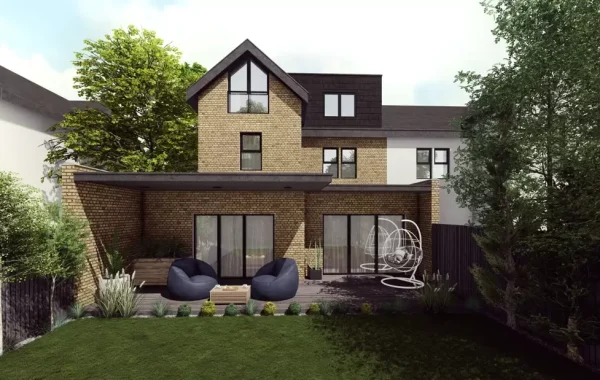
Loft conversions often require structural adjustments, such as reinforced flooring and skylights, to ensure safety and natural light.
2. Basement Conversions
Basements in Tooting flats hold enormous potential. Converting them can:
- Add recreational rooms like cinemas or gyms
- Create self-contained flats for rental income
- Offer practical storage solutions without cluttering main living areas
Proper waterproofing, ventilation, and lighting are essential for successful basement conversions.
3. Garage and Outbuilding Conversions
Some Wandsworth properties come with garages or small outbuildings that serve little purpose. Homeowners are converting these areas into:
- Guest bedrooms
- Studios or workspaces
- Utility rooms or play areas
These conversions maximise property potential without expanding the building footprint.
4. Room Reconfigurations
Sometimes, full-scale structural changes aren’t needed. Simply reconfiguring rooms can transform a flat:
- Knocking down non-load-bearing walls
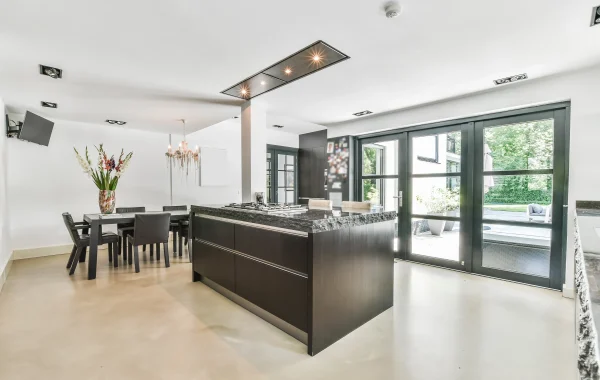
- Opening up kitchens to living areas
- Adding partition walls for privacy
Room reconfigurations often require minimal permits and can dramatically improve flow and usability.
Key Steps for a Successful Flat Conversion
Turning a flat into a more functional and valuable space involves careful planning and execution.
Step 1: Assess Feasibility
Determine whether your flat can accommodate the intended conversion. This includes checking:
- Structural stability
- Ceiling height (especially for lofts)
- Plumbing and electrical capacity
Consulting with a qualified surveyor ensures that your plans are practical and safe.
Step 2: Plan Your Layout
Sketch a layout that maximises space efficiency and improves light flow. Think about:
- Natural lighting sources
- Privacy between rooms
- Accessibility and circulation
Professional designers or architects can provide insights that optimise space while maintaining aesthetic appeal.
Step 3: Obtain Necessary Approvals
Flat conversions in Wandsworth and Tooting often require permissions:
-
Planning permission: Required for significant structural changes or extensions
-
Building regulations approval: Ensures safety, fire protection, and energy efficiency
-
Leaseholder consent: If you own a leasehold property, you may need approval from the freeholder
Failing to secure the right approvals can lead to costly delays or legal complications.
Step 4: Select Contractors Wisely
Choose contractors experienced in flat conversions. Look for:
- Proven experience in Wandsworth or Tooting projects
- Transparent cost estimates
- Positive client reviews and portfolios
Engaging specialists ensures quality workmanship and smooth project delivery.
Step 5: Monitor Construction Progress
Stay involved during the construction phase. Studio20 Architects provides oversight to:
- Check that work aligns with approved plans
- Verify materials and finishes
- Address issues promptly
Regular oversight reduces errors, delays, and unexpected costs.
Cost Considerations
Flat conversions vary in cost depending on the type of project, materials, and complexity. Key factors include:
-
Structural changes: Reinforcing floors, adding beams, or modifying walls
-
Utilities: Electrical, plumbing, heating, and ventilation adjustments
-
Interior finishes: Flooring, painting, lighting, and fixtures
-
Professional fees: Architects, surveyors, and building inspectors
In Wandsworth and Tooting, small conversions like reconfiguring rooms may cost between £15,000 and £40,000, while loft or basement conversions can range from £40,000 to £100,000 or more.
Design Trends for Flat Conversions
Modern flat conversions in Wandsworth and Tooting focus on functionality and aesthetics:
-
Open-plan living: Removing walls to create larger, versatile spaces
-
Natural light emphasis: Skylights, large windows, and glass partitions
-
Energy efficiency: Insulation, double glazing, and LED lighting
-
Multipurpose rooms: Spaces that serve dual purposes, like a guest room and office
Following trends ensures your flat conversion feels modern, comfortable, and appealing to future buyers or tenants.
Common Challenges and How to Handle Them
While flat conversions offer many benefits, they also present challenges:
-
Space limitations: Clever layout planning and custom furniture can optimise small flats
-
Noise concerns: Acoustic insulation reduces sound transmission between floors or walls
-
Regulatory hurdles: Engaging experienced professionals helps navigate planning and building regulations
-
Unexpected costs: Maintaining a contingency budget (10–15% of total project cost) prevents financial stress
Proactive planning reduces risks and ensures smoother project execution.
Case Studies: Wandsworth and Tooting Flat Conversions
-
Loft to Bedroom with En-Suite: A two-bedroom flat in Tooting added a loft bedroom with an en-suite bathroom. Result: increased rental value by 20% and improved family comfort.
-
Basement Studio Conversion: A Wandsworth flat converted its basement into a studio apartment. Result: generated additional rental income and retained overall property aesthetics.
-
Garage Conversion into Home Office: A small garage in Tooting became a functional home office with natural light and storage. Result: boosted productivity and added resale appeal.
These examples highlight how targeted conversions can make significant differences without extensive construction.
FAQs
Do I need planning permission for a flat conversion in Wandsworth?
Yes, major structural changes often require planning permission. Minor internal reconfigurations may not, but it’s best to check with the local council.
How long does a typical flat conversion take?
Small projects like room reconfigurations can take 4–6 weeks, while loft or basement conversions may take 8–16 weeks depending on complexity.
Can I live in my flat during the conversion?
It depends on the project type. Minor internal changes may allow continued living, but loft or basement conversions often require temporary relocation.
How much value can a flat conversion add?
Conversions can increase property value by 10–25%, depending on type, quality of work, and property location.
Are there financing options for flat conversions?
Yes. Many banks and building societies offer home improvement loans or bridging finance to cover conversion costs.