


Securing planning permission in Wandsworth and Tooting can feel overwhelming, but with the right approach, homeowners and developers can move their projects forward efficiently. Local councils enforce strict planning regulations to maintain the character of neighbourhoods, protect green spaces, and ensure developments meet safety and environmental standards. Whether you aim to extend your home, build a new structure, or change the use of an existing property, understanding the requirements can save time, money, and stress.
Key Takeaways
- All major developments in Wandsworth and Tooting require planning permission from the local council.
- Projects are evaluated based on design, neighbour impact, sustainability, and compliance with local policies.
- Accurate documentation and early consultation with neighbours and professionals improve approval chances.
- Ignoring planning permission can result in legal issues and project delays.
- Engaging experts, staying informed about local rules, and preparing detailed applications ensures smoother approval.
How Planning Permission Works in Wandsworth and Tooting
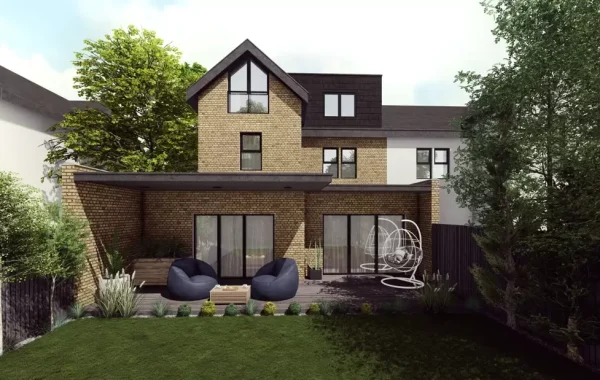
In Wandsworth, all significant construction projects require approval from the local council. Minor changes, such as small house extensions, may qualify as “permitted development,” meaning they do not require formal permission. Larger projects, including loft conversions, new builds, or commercial developments, typically require a full planning application.
The council evaluates applications based on a set of key factors:
-
Impact on Neighbours – Councils consider how your project affects sunlight, privacy, and overall amenity of adjacent properties.
-
Design and Appearance – Local authorities ensure the style and materials used align with the character of the area.
-
Environmental Considerations – Projects must comply with sustainability standards, flood prevention rules, and energy efficiency requirements.
-
Transport and Access – Parking, traffic impact, and accessibility influence approval decisions.
Submitting an application involves providing detailed plans, supporting documents, and often consulting with neighbours or stakeholders. Professional guidance can reduce the risk of rejection and speed up the approval process.
Common Types of Projects Requiring Permission
Residents and developers in Wandsworth and Tooting commonly submit planning applications for the following:
-
Home Extensions – Side or rear extensions that go beyond permitted development limits require approval.
-
Loft Conversions – Converting an attic into living space often needs council review, especially if it affects the roofline or local skyline.
-
Outbuildings and Garages – Large garden buildings or structures exceeding height or footprint restrictions need planning permission.
-
Change of Use – Transforming a property from residential to commercial, or vice versa, triggers planning scrutiny.
-
New Builds – Constructing new houses, flats, or commercial buildings always requires a formal application.
Local councils provide guidance on their websites, including checklists and planning templates. Engaging with a planning consultant or architect can ensure applications meet all requirements and reduce delays.
Key Factors That Influence Approval
Planning officers assess each application based on a combination of local policies and national guidelines. Key factors include:
-
Neighbour Impact – Projects must respect the rights and privacy of nearby residents.
-
Heritage and Conservation Areas – Wandsworth and Tooting contain historic buildings and conservation zones that have strict design rules.
-
Sustainability Standards – Incorporating eco-friendly designs and energy-efficient systems can improve approval chances.
-
Traffic and Parking – Developments must not create congestion or unsafe parking situations.
-
Public Consultation Feedback – Neighbours and community groups may provide input, which councils consider before granting permission.
Failing to meet these standards can lead to refusal, requiring amendments or even appeals.
Applying for Planning Permission
Submitting a planning application requires careful preparation. Steps include:
-
Prepare Plans – Accurate site plans, floor plans, elevations, and design statements provide the council with a clear picture of the project.
-
Submit Application – Applications can be submitted online or in person. Fees vary depending on the type and size of the project.
-
Council Review – Officers assess the application against planning policies, conduct site visits, and consider neighbour comments.
-
Decision – The council issues approval, conditional approval, or refusal. Conditional approval may require adjustments before construction begins.
-
Appeals – If refused, applicants can appeal or revise the plans for resubmission.
Engaging early with the council and neighbours often improves approval chances. Pre-application consultations provide feedback on design, compliance, and potential issues before submitting the formal application.
Common Challenges and How to Handle Them
Residents and developers frequently encounter hurdles in Wandsworth and Tooting:
-
Neighbour Objections – Objections can delay or block applications. Clear communication, diagrams, and explanations can reduce conflicts.
-
Conservation Area Restrictions – Historic areas impose limitations on materials, design, and height. Working with specialists ensures compliance.
-
Environmental Requirements – Flood zones and protected species may affect planning decisions. Environmental surveys can address these concerns.
-
Planning Policy Changes – Local plans update regularly, requiring applicants to stay informed of new rules and regulations.
Anticipating challenges and seeking professional advice improves the likelihood of approval and prevents costly delays.
Benefits of Securing Planning Permission
Obtaining planning permission provides clear advantages:
-
Legal Compliance – Avoids fines, enforcement notices, or demolition orders.
-
Property Value – Approved developments increase the market value of homes and commercial properties.
-
Project Confidence – Approval allows construction to proceed without interruptions or disputes.
-
Community Support – Proper applications respect neighbours’ rights, reducing conflicts.
-
Future Flexibility – Secured permission may make it easier to apply for additional modifications in the future.
Skipping permission can result in legal trouble, forcing removal of completed work and wasting resources.
Tips for a Successful Planning Application
To improve the chances of approval in Wandsworth and Tooting:
-
Hire Professionals – Architects, planning consultants, and surveyors provide expertise that ensures compliance with local regulations. Studio20 Architects has experience managing complex applications smoothly.
-
Prepare Accurate Documentation – Precise drawings, site surveys, and reports make applications clear and convincing.
-
Engage Neighbours Early – Addressing concerns before submission can prevent objections.
-
Check Local Policies – Review the Wandsworth Council Local Plan and Tooting-specific rules to ensure projects align with regulations.
-
Include Sustainability Measures – Eco-friendly designs, energy-efficient systems, and green spaces often improve approval odds.
Attention to detail, preparation, and consultation save time and avoid unnecessary delays.
Frequently Asked Questions (FAQs)
How long does planning permission take in Wandsworth and Tooting?
Typical decisions take eight to thirteen weeks for full applications. Pre-application advice and consultations may extend the timeline but improve approval chances.
Can I start construction before receiving planning permission?
No. Starting construction without permission can lead to fines, enforcement notices, or orders to remove the work. Always wait for formal approval.
What if my application is refused?
You can appeal the decision or revise the plans to address the council’s concerns. Consulting a planning expert often helps identify improvements.
Are there exceptions for small extensions?
Yes. Some minor home extensions may qualify as permitted development, but rules vary based on property type, location, and size. Always check local regulations.
Do I need planning permission for a loft conversion?
Most loft conversions require planning permission, especially if they change the roofline or add windows. Some minor conversions may qualify as permitted development, depending on size and design.