


Converting a flat in Dartford, Longfield, or New Barn has become a popular choice for homeowners and investors looking to maximize space and value. With property prices steadily rising and the demand for modern living spaces increasing, flat conversions provide an opportunity to create functional, stylish, and profitable homes.
Flat conversions involve changing the internal layout or structure of a property to create additional living spaces, optimize existing rooms, and enhance the overall usability of the flat. Whether it’s converting a loft into a bedroom, merging two flats into one, or redesigning the internal structure, every conversion offers unique benefits that cater to modern living requirements.
Key Takeaways
- Flat conversions increase property value and attract tenants or buyers.
- Conversions optimize space and improve the functionality of underutilized areas.
- Different types of conversions include loft, basement, garage, and combined flats.
- Professional guidance ensures compliance with building regulations and planning permissions.
- Modern conversions offer features such as en-suite bathrooms, open-plan layouts, and smart home technology.
- Proper planning and budgeting prevent delays, cost overruns, and structural issues.
Benefits of Flat Conversion
Flat conversions in Dartford, Longfield, and New Barn provide significant advantages for homeowners and investors alike. Here are the key benefits:
1. Increased Property Value
Converting a flat can significantly increase its market value. By adding extra rooms or improving the layout, you create a property that appeals to a broader range of buyers or tenants. Modernized interiors, additional bedrooms, or open-plan layouts attract higher offers and faster sales.
2. Optimized Space
Many flats suffer from wasted or underutilized areas. Conversion allows homeowners to make the most of available space. Loft conversions, for instance, turn an unused attic into a functional bedroom, home office, or storage area. Every square foot counts when maximizing comfort and utility.
3. Modernized Interiors
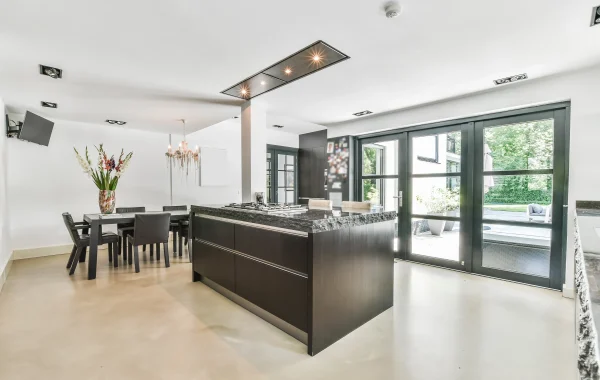
A flat conversion offers the chance to redesign interiors according to contemporary standards. From installing better lighting and flooring to creating an open-plan living space, conversions make flats feel brighter, airier, and more inviting.
4. Custom Living Solutions
Flat conversions cater to specific needs. Growing families can add extra bedrooms, professionals can create home offices, and investors can create multiple rental units within the same property. This flexibility makes conversions a highly practical choice.
5. Reduced Moving Costs
Instead of buying a new property, homeowners can stay in their current location while upgrading their living space. This approach reduces moving costs, avoids the hassle of relocation, and allows individuals to remain close to schools, workplaces, and local amenities.
Types of Flat Conversions
Several types of flat conversions are common in Dartford, Longfield, and New Barn. Each type focuses on maximizing functionality and enhancing property appeal:
Loft Conversions
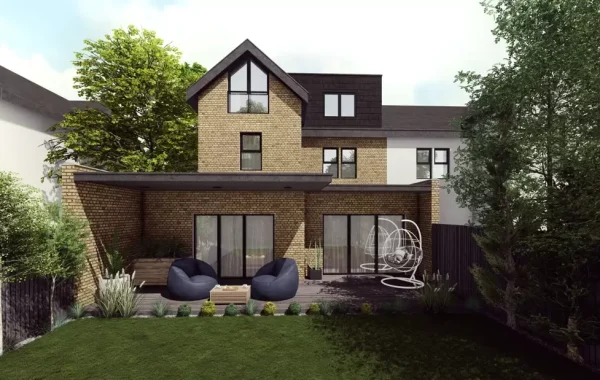
Loft conversions transform an underused attic into a livable space. They are ideal for adding bedrooms, bathrooms, or study areas without altering the external structure of the building significantly. Popular loft conversion styles include dormer, mansard, and roof-light conversions.
Basement Conversions
Basements offer potential for extra living areas, home gyms, entertainment rooms, or offices. With proper waterproofing, ventilation, and lighting, basement conversions add usable space and increase property value substantially.
Garage Conversions
Garage conversions turn an existing garage into additional living space. Homeowners often convert garages into kitchens, bedrooms, or lounges. This type of conversion is cost-effective and can transform the layout of a flat without major structural changes.
Combined Flat Conversions
Some projects involve combining two smaller flats into a single, larger property. This type of conversion enhances property appeal for families or professionals seeking spacious layouts while improving the long-term resale value.
Planning and Approval
Before starting any flat conversion in Dartford, Longfield, or New Barn, homeowners must consider planning permissions, building regulations, and structural requirements. Local councils have specific rules that govern property alterations, especially when dealing with listed buildings or flats within shared blocks.
Planning Permission
Certain conversions require planning permission, especially those that affect the external appearance of the building or add additional floors. Consulting local planning authorities early in the process ensures compliance and avoids costly delays.
Building Regulations
All flat conversions must comply with building regulations, covering areas such as structural integrity, fire safety, insulation, electrical systems, and ventilation. Hiring a certified professional ensures the project meets safety standards while delivering high-quality results.
Structural Assessments
Before converting a flat, a structural engineer should assess the property. Structural evaluations ensure that walls, floors, and ceilings can support new loads or modifications. These assessments prevent future damage and protect the investment.
Cost Considerations
The cost of a flat conversion depends on the type, size, materials, and labor involved. Typical conversion projects in Dartford, Longfield, and New Barn range from modest upgrades to large-scale renovations. Key cost factors include:
- Materials: Flooring, lighting, insulation, fixtures, and finishes
- Labor: Construction, carpentry, plumbing, and electrical work
- Planning and Approval: Fees for permits, inspections, and design consultations
- Unexpected Expenses: Structural repairs or additional reinforcement
Investors should budget carefully and consider long-term returns. While initial costs can vary, well-executed conversions often yield significant increases in property value.
Choosing the Right Professionals
A successful flat conversion relies on skilled professionals. Engaging the right team ensures the project runs smoothly, stays within budget, and meets quality standards. Professionals to consider include:
- Architects: To design layouts, maximize space, and ensure aesthetic appeal
- Builders and Contractors: To handle construction, structural work, and finishing touches
- Surveyors: To evaluate property conditions and confirm feasibility
- Interior Designers: To optimize interiors for comfort, style, and functionality
Selecting experienced local professionals in Dartford, Longfield, or New Barn increases efficiency and ensures compliance with regulations.
Maximizing Rental Potential
Investors often undertake flat conversions to generate rental income. Converted flats attract tenants seeking modern amenities, extra space, and convenient layouts. Key strategies to enhance rental potential include:
- Offering furnished options for immediate occupancy
- Installing energy-efficient heating and lighting systems
- Creating open-plan layouts to maximize space and natural light
- Adding additional bedrooms or bathrooms to accommodate families or shared tenants
Well-executed conversions can achieve higher rental yields and reduce vacancy periods, making them a sound investment.
Popular Features in Converted Flats
Modern tenants and homeowners look for features that enhance convenience, comfort, and appeal. Common additions in Dartford, Longfield, and New Barn include:
- En-suite bathrooms
- Open-plan kitchen and living spaces
- Built-in storage solutions
- High-quality flooring and finishes
- Energy-efficient windows and insulation
- Smart home features, including automated lighting and heating
These features add value, improve living conditions, and make flats more competitive in the property market.
Challenges to Consider
While flat conversions offer numerous advantages, homeowners should anticipate challenges:
- Structural Limitations: Older buildings may require reinforcement before conversion
- Cost Overruns: Unexpected issues can increase budgets if not planned for
- Noise and Disruption: Construction work may affect residents or neighbors temporarily
- Regulatory Compliance: Failure to meet building standards can result in fines or project delays
Proper planning, professional guidance, and clear budgeting reduce these risks and ensure a smoother process.
Success Stories
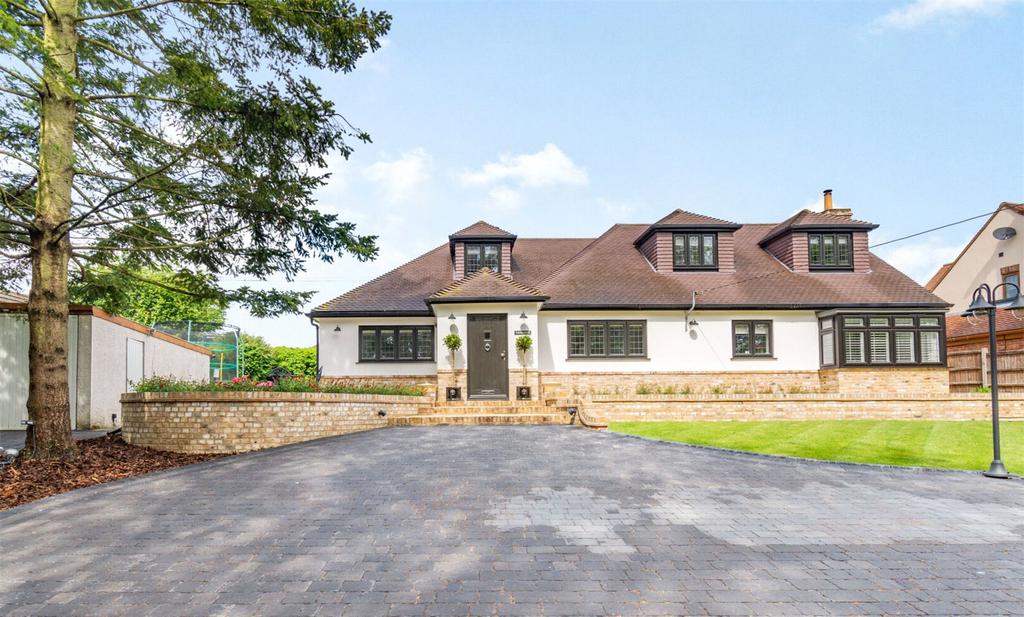
Numerous homeowners in Dartford, Longfield, and New Barn have transformed their flats successfully. Loft conversions have added bedrooms and home offices, garage conversions have created spacious kitchens, and combined flats have attracted high-end tenants. Each project reflects creativity, careful planning, and attention to detail from Studio20 Architects.
Residents consistently report increased comfort, improved aesthetics, and higher property values. These success stories demonstrate that a thoughtful conversion can transform ordinary flats into modern, functional homes.
FAQs
Do I need planning permission for a flat conversion in Dartford or Longfield?
Yes, some conversions require planning permission, particularly those affecting the building’s external appearance or structural integrity. Consult local authorities early in the process.
How long does a flat conversion usually take?
The duration depends on the type and scale of the project. Small conversions may take a few weeks, while larger projects like combining flats can take several months.
Can flat conversions increase rental income?
Absolutely. Adding bedrooms, bathrooms, or modern amenities attracts tenants willing to pay higher rents. Open-plan designs and high-quality finishes further enhance rental potential.
How much does a typical flat conversion cost?
Costs vary depending on size, materials, labor, and permits. A small loft conversion may start from £20,000, while larger projects can exceed £50,000. Proper budgeting is essential.
Are there structural risks involved in flat conversions?
Yes, older buildings may require reinforcement to support modifications. Hiring a structural engineer ensures safety and compliance with regulations.