

Dartford Swanscombe and Greenhithe Single Storey Extension

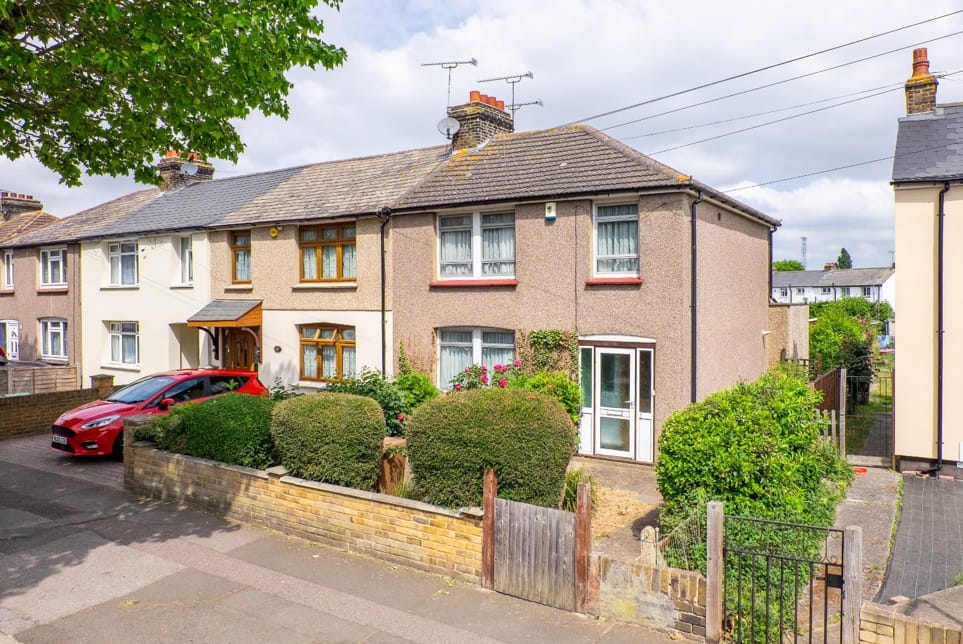
Homeowners in Dartford, Swanscombe, and Greenhithe often face a common challenge: limited space. Whether you need a larger kitchen, a family room, or a home office, a single storey extension offers a practical solution that boosts functionality and value. By adding a single storey extension, you can create extra space without the cost or disruption of moving.
Key Takeaways
- Single storey extensions add practical space and improve home functionality.
- Rear, side, and wrap-around designs provide options to suit different layouts.
- Extensions can increase property value and enhance natural light.
- Following local planning rules ensures a smooth approval process.
- Choosing the right builder and materials is essential for quality results.
Why Choose a Single Storey Extension?
A single storey extension enhances your property without altering the structure of your home dramatically. It allows you to extend your living space on the ground floor, making it ideal for growing families or anyone looking to modernise their home. Unlike a loft conversion or a two-storey extension, a single storey addition is quicker to build and often requires fewer planning permissions.
In Dartford, Swanscombe, and Greenhithe, local planning rules support thoughtful extensions that maintain the character of the area. A well-designed single storey extension can blend seamlessly with your existing home, adding both functionality and aesthetic appeal.
Popular Uses for Single Storey Extensions
Homeowners frequently use single storey extensions to expand:
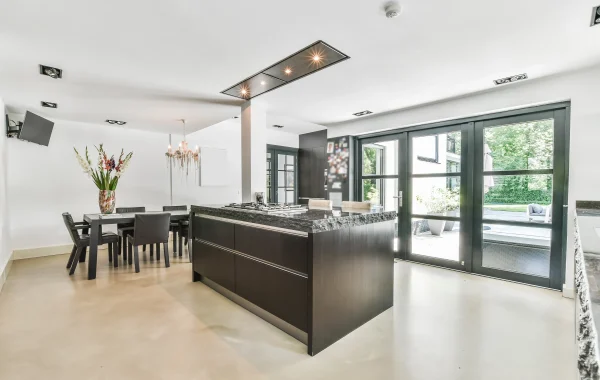
- Kitchens and Dining Areas: Many properties in these areas have compact kitchens. Extending the kitchen or creating an open-plan dining space can significantly enhance daily living.
- Living Rooms: A larger living space accommodates family gatherings or home entertainment setups.
- Home Offices: With remote work on the rise, a ground-floor extension offers a dedicated workspace separate from the main living area.
- Utility Rooms: Extra space for laundry, storage, or mudrooms keeps your home organised and clutter-free.
A single storey extension can transform how you use your home, giving you more freedom to enjoy your property comfortably.
Design Options for Your Extension
Single storey extensions come in various styles to suit different needs and budgets. Popular designs include:
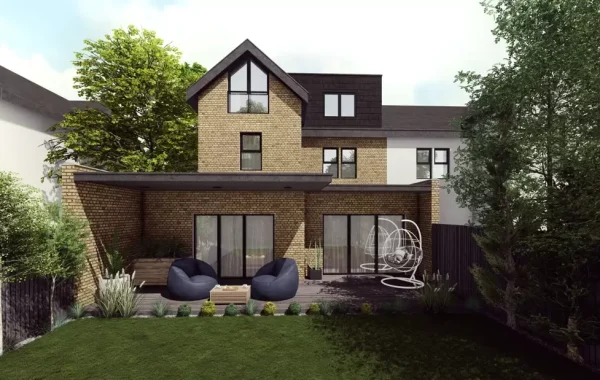
- Rear Extensions: These extend the back of your house, opening up more space in the kitchen or living areas. Rear extensions can incorporate large sliding doors or bi-fold doors to maximise natural light.
- Side Extensions: Side extensions create extra rooms while maintaining the existing layout of your home. They work well for narrow plots or houses with side access.
- Wrap-Around Extensions: For homeowners with larger plots, wrap-around extensions combine side and rear extensions, offering substantial additional space.
You can also choose between flat roofs, which provide a modern look and potential space for skylights, or pitched roofs, which match traditional property styles in Dartford, Swanscombe, and Greenhithe.
Planning and Permissions
In most cases, single storey extensions fall under permitted development, which means you can build without a full planning application. However, it’s essential to follow rules regarding height, proximity to boundaries, and overall size.
- Height Limitations: A single storey extension typically cannot exceed 4 meters in height if the roof is pitched. For flat roofs, the maximum height is usually 3 meters.
- Boundary Distance: Extensions must maintain a specific distance from your neighbor’s property, often at least 2 meters from the boundary for a flat roof.
- Conservation Areas: If your property lies within a conservation area, you may require full planning permission, even for modest extensions.
Hiring a professional like Studio 20 Architects, who know local regulations and planning policies, can save time and prevent costly mistakes. They prepare drawings, submit applications, and ensure your extension meets all legal requirements.
Benefits Beyond Extra Space
Adding a single storey extension offers more than just square footage. Homeowners in Dartford, Swanscombe, and Greenhithe enjoy several advantages:
- Increased Property Value: Well-planned extensions can significantly raise your home’s market value. Buyers are drawn to homes with practical and flexible living spaces.
- Enhanced Natural Light: Extensions with large windows, skylights, or glass doors bring in more sunlight, creating a brighter and more inviting atmosphere.
- Improved Lifestyle: A single storey extension allows you to reorganise your home, separate living zones, and accommodate family growth.
- Energy Efficiency: Modern building materials and insulation techniques make it possible to create energy-efficient extensions that reduce heating costs.
Investing in a single storey extension pays off in both lifestyle improvement and long-term property value.
Choosing the Right Builder
Selecting a skilled builder is crucial for a successful extension project. Homeowners should:
- Check Experience: Look for contractors who have completed similar projects in Dartford, Swanscombe, and Greenhithe.
- Review Portfolios: Examine previous work to ensure their style matches your vision.
- Ask for References: Speaking to past clients gives insight into reliability, professionalism, and quality.
- Obtain Quotes: Compare multiple quotes to find a fair price without compromising on quality.
Working with a builder who communicates clearly and understands your needs ensures a smoother construction process.
Materials and Finishes
The choice of materials impacts the look, durability, and cost of your extension. Popular options include:
- Brickwork: Matches existing homes and offers long-lasting durability.
- Render: Provides a modern finish and can be painted in any color.
- Glass Panels: Ideal for doors, windows, or conservatories, creating a light-filled space.
- Roof Options: Flat roofs with insulation and drainage or pitched roofs with tiles that blend with the main house.
Selecting high-quality materials ensures your extension looks attractive and stands the test of time.
Timeline for Construction
The timeline for a single storey extension varies depending on size and complexity, but homeowners can expect:
- Planning and Design: 4–6 weeks
- Permits and Approvals: 2–6 weeks
- Construction: 8–12 weeks for typical extensions
A well-organised project minimizes disruption and delivers a functional space quickly.
Cost Considerations
The cost of a single storey extension in Dartford, Swanscombe, and Greenhithe depends on factors such as size, materials, and finishes. On average, homeowners can expect to spend between £20,000 and £50,000 for a standard 3–5 meter rear extension. Costs increase for premium materials, complex layouts, or wrap-around designs.
Despite the upfront investment, extensions often provide excellent returns by boosting property value and improving daily living.
Frequently Asked Questions (FAQs)
Do I need planning permission for a single storey extension?
Most single storey extensions fall under permitted development, but exceptions apply in conservation areas or for large projects. Always check with local authorities before starting.
How long does construction take?
Typically, single storey extensions take 8–12 weeks to build, not including planning and approval time. Simple projects may finish faster.
Can I match the extension to my existing house design?
Yes. Builders can match brickwork, roofing, and finishes to your home, ensuring the extension blends naturally with the original structure.
Will a single storey extension increase my property value?
Yes. Well-designed extensions can make your home more attractive to buyers and increase market value, especially if the new space improves living functionality.
What is the average cost of a single storey extension?
Costs vary based on size, materials, and design but typically range from £20,000 to £50,000 for a standard rear extension in Dartford, Swanscombe, and Greenhithe.