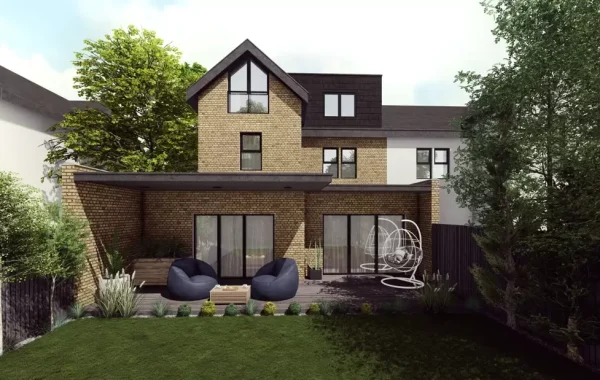


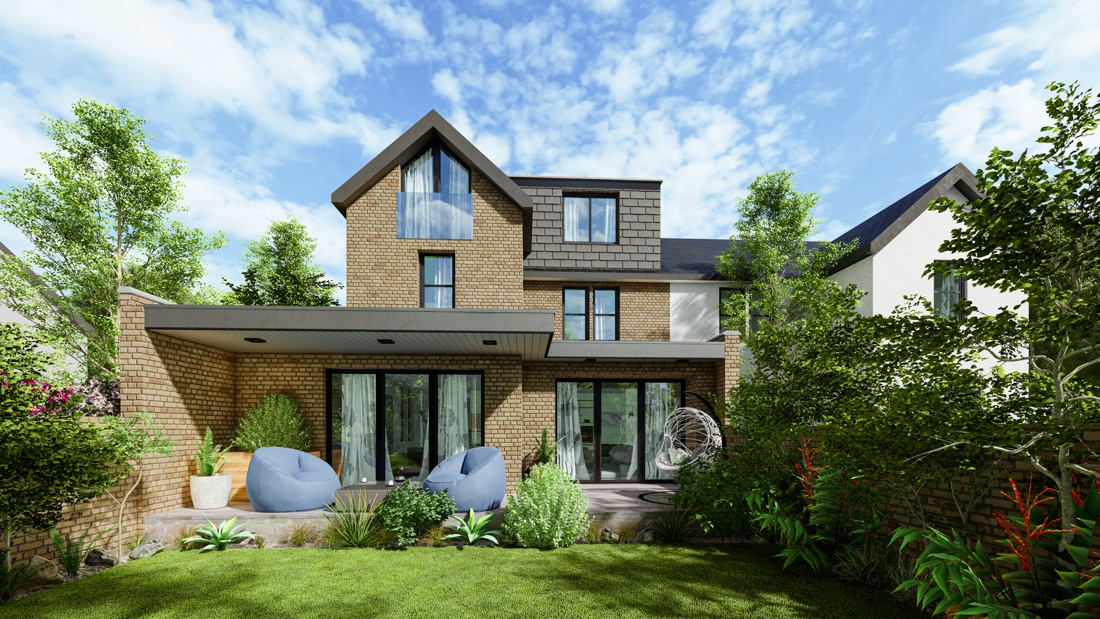

One of the best ways to get more living space, make your home more useful, and raise its value is to plan a house extension in London. But without the right help, getting planning permission in London can seem hard, confusing, and take a long time. Each borough has its own rules, limitations, and ways of interpreting national planning rules, so it’s important to make decisions early on in order to be successful.
“According to the UK Government, householder planning applications make up over 40 percent of all submissions in England, with most refusals linked to scale, neighbour impact, and policy non-compliance rather than build quality.”
At Studio20 Architects, we work with London homeowners every day to design extensions that are not only beautiful but also strategically planned to secure approval efficiently. This guide gives you important tips for getting planning permission so you don’t have to wait, get turned down, or spend a lot of money on redesigns when you add on to your home.
Key Takeaways
- Design shouldn’t come after planning strategy; it should come before it.
- To get approval, you need to know a lot about the borough.
- Knowing how much a single-storey extension will cost helps you make realistic planning proposals.
- Planning works out much better with high-quality drawings.
- Professional advice cuts down on delays, refusals, and redesigns
How to Get Planning Permission for House Extensions in London
Before you start designing your House Extension London, you need to know if you need planning permission. Some extensions are allowed under Permitted Development (PD) rights, but many homes in London have to deal with extra restrictions because they are in conservation areas, have Article 4 Directions, or are in tight urban areas.
Planning permission exists to ensure extensions:
- Respect neighbouring properties
- Preserve street character
- Meet environmental and design standards
- Align with local development policies
If you think you don’t need permission, you could run into problems with the law, delays, or even orders to tear down your building. A professional planning-led approach makes these risks much less likely to happen.
Permitted Development vs Full Planning Permission
One of the most common homeowner questions is do you need planning permission for a single-storey extension? The answer depends on several factors, including property type, location, and scale.
Permitted Development may apply if:
- The extension stays within size limits
- Height and boundary rules are respected
- The property is not restricted by local planning controls
But a lot of London boroughs limit PD rights. Even when PD is in effect, it is highly recommended that you get a Lawful Development Certificate to protect the value of the property when you sell it.
When PD does not apply, single-storey extension planning permission is required, and your designs must closely follow local policy.
Start with Planning Strategy, Not Design Ambition
Before they know what the planning rules are, many homeowners make the mistake of only looking for design ideas. Single-storey extension ideas can be fun, but they need to be checked to see if they are likely to be approved by planners.
A strong planning strategy considers:
- Local policy limits on depth, height, and massing
- Neighbour amenity (light, privacy, outlook)
- Materials and architectural context
- Previous approvals in the area
At Studio20 Architects, the planning strategy affects the design from the start, so there are no compromises later on.
Know Your Borough’s Planning Priorities
There are more than 30 planning authorities in London. Each borough has its own way of following national policy, so an extension that is okay in one area might not be okay in another.
Planners assess:
- Impact on neighbouring daylight and overshadowing
- Visual impact from public viewpoints
- Proportionality to the existing house
- Compliance with local character guidelines
Working with architects who understand borough-specific decision patterns significantly improves approval outcomes for a House Extension in London.
Budget Awareness Supports Planning Success
Planning and cost realism go hand in hand. Early awareness of how much a house extension costs helps align expectations with achievable outcomes.
Not only do overly ambitious plans often fail because they don’t take into account the realities of building or structure, but also because they ignore structural or construction realities. Understanding single-storey extension costs early helps:
- Define a realistic project scope
- Avoid overdevelopment
- Reduce redesign during planning feedback
Planners tend to like designs that are well-planned because they are proportional and easy to build.
Drawings Matter More Than You Think
One of the main reasons planning applications fail is that the drawings are bad. Planners only use the drawings that have been sent in to figure out how things will affect them.
Effective planning drawings should:
- Clearly show the current and planned conditions
- Show heights and boundaries correctly
- Include the site’s surroundings and the relationships with neighbors
- Be in line with policy requirements exactly
At Studio20 Architects, every planning submission is seen as a strategic document, not just a formality.
It’s Very Important To Think About Your Neighbours
Because London is so crowded, the effects on neighbors are always looked at. People are likely to object to or refuse extensions that block light, feel too big, or make it less private.
Design strategies to reduce conflict include:
- Stepped massing
- Reduced eaves heights near boundaries
- Thoughtful window placement
- Use of recesses and setbacks
Taking care of neighbor issues early on helps with both planning and long-term relationships.
Timing and Pre-Application Advice
Getting planners involved early on by giving them advice before you apply can help you understand how your proposal is likely to be received. It helps improve designs before they are officially submitted, but it is not required.
Pre-application feedback can:
- Identify policy concerns early
- Reduce refusal risk
- Speed up final approval timelines
This proactive approach is especially helpful for complicated house extension projects in London.
Plan Your House Extension with Studio20 Architects
Before building a successful House Extension in London, you need to plan it well, know the rules, and have experience with design. We handle everything at Studio20 Architects, from figuring out if a project is possible and getting planning permission to technical design and construction support.
FAQs
Do I always need planning permission for a House Extension in London?
Not always. Some extensions fall under permitted development, but many London properties face restrictions that require full planning approval.
Do you need planning permission for a single storey extension in London?
Often yes. While permitted development may apply, borough-specific controls frequently require single storey extension planning permission.
How much does a single storey extension cost in London?
How much a single storey extension costs depends on size, complexity, and location, but early planning-led design helps control budgets effectively.
Can planning permission affect single storey extension ideas?
Yes. Single storey extension ideas must align with planning policy, neighbour impact rules, and proportionality to secure approval.
Why do some planning applications get refused?
Common reasons include excessive size, neighbour impact, poor design quality, or failure to follow local planning policies.