


Planning a home extension is an exciting step that can transform how you live, increase property value, and improve long-term functionality. However, successful outcomes depend on careful preparation, strategic design thinking, and a clear understanding of approvals, costs, and construction realities. A well-structured house extension design UK approach ensures that your project is practical, legal and in line with your lifestyle goals.
“According to UK Government planning statistics, more than 40% of all planning applications in England come from homeowners. The largest group of these applications are for extensions. Many refusals are based more on things like size, how it will affect neighbours, and failure to follow the rules than on the quality of the building.”
This shows a very important truth: success starts long before building. Homeowners can make smart choices and avoid expensive changes later on by knowing how design feasibility, planning strategy, and technical coordination work.
Key Takeaways
- Before starting any extension design, you need to have clear goals.
- Being aware of the budget helps you come up with practical and doable design solutions.
- Planning compliance and technical regulations shape project feasibility.
- Structured design stages improve coordination and reduce risk.
- Professional architectural guidance supports approval success and construction quality.
Understanding Your Objectives Before Design Begins
Every successful extension starts with clarity of purpose. Setting your priorities will help you decide how to design your space, whether you need more living space, a better layout, or more natural light.
Homeowners often begin by exploring home extension ideas & planning, but inspiration alone is not enough. The most effective design solutions take into account lifestyle needs, site limitations, planning rules, and the ability to build.
Key questions to define early:
- What problem should the extension solve
- How will the new space improve daily living
- What level of investment aligns with long-term value
- How will the extension integrate with the existing property
Clear goals keep the project on track and make sure it stays focused and doable.
Budget Planning and Financial Realism
Understanding financial expectations is one of the most important steps in preparing for an extension. Many homeowners research home extension costs in the UK early in the process to establish realistic project parameters.
Size, complexity, ground condition, accessibility, and material type all affect costs. Design choices like open-plan layouts, glazing scale, and changes to the building’s structure can have a big impact on how much it costs to build.
When architects know how much money you have to spend, they can suggest design solutions that fit within that budget. Uncertainty about upfront costs may lead to redesigns, delays, or reductions in scope later on.
The Importance of Planning and Regulatory Compliance
In the UK, extensions must follow both planning rules and technical rules. Understanding approvals early on helps avoid delays and makes sure that projects go more smoothly.
Homeowners frequently ask about building regulations for guide house extensions. These rules cover things like safety, fire protection, insulation, ventilation, and construction performance. You must follow the rules even if you don’t need planning permission.
Additionally, understanding what to consider before building an extension includes reviewing local authorities’ rules and permitted development rights, as well as how the extension will affect your neighbours. Planning success depends on more than just being able to build. It also depends on scale, design harmony, and policy alignment.
Structuring the Design and Delivery Process
A structured workflow ensures clarity, from concept to construction. Many successful projects follow defined house extension project steps that guide decision-making and reduce uncertainty.
Typical stages include:
- Feasibility and site assessment
- Concept design development
- Planning submission and approval
- Technical design and documentation
- Contractor selection and construction
Understanding how to plan a house extension project helps homeowners anticipate timelines, manage expectations, and coordinate consultants effectively.
Choosing the Right Architectural Expertise
The architect plays a central role in design quality, approval success, and construction coordination. Reviewing portfolios is not enough to choose the right professional.
Homeowners exploring how to choose an architect for an extension in the UK should evaluate communication approach, planning experience, technical capability, and project management style. A strong architect provides guidance, not just drawings.
Before appointing a professional, it is helpful to prepare questions to ask before extending your home, such as:
- How will planning risks be managed
- What level of construction support is provided
- How are costs monitored during design
- How are technical approvals coordinated
A collaborative partnership ensures an organised, transparent, and goal-aligned design process.
Design Integration and Property Performance
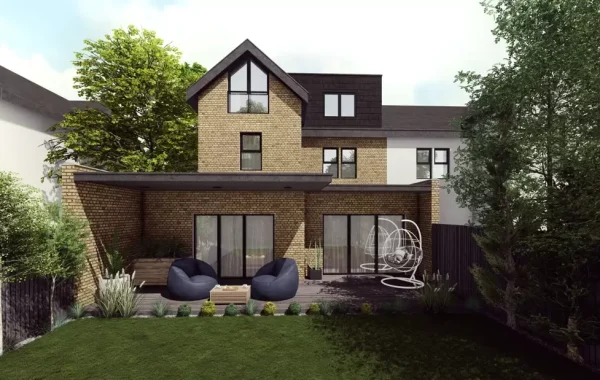
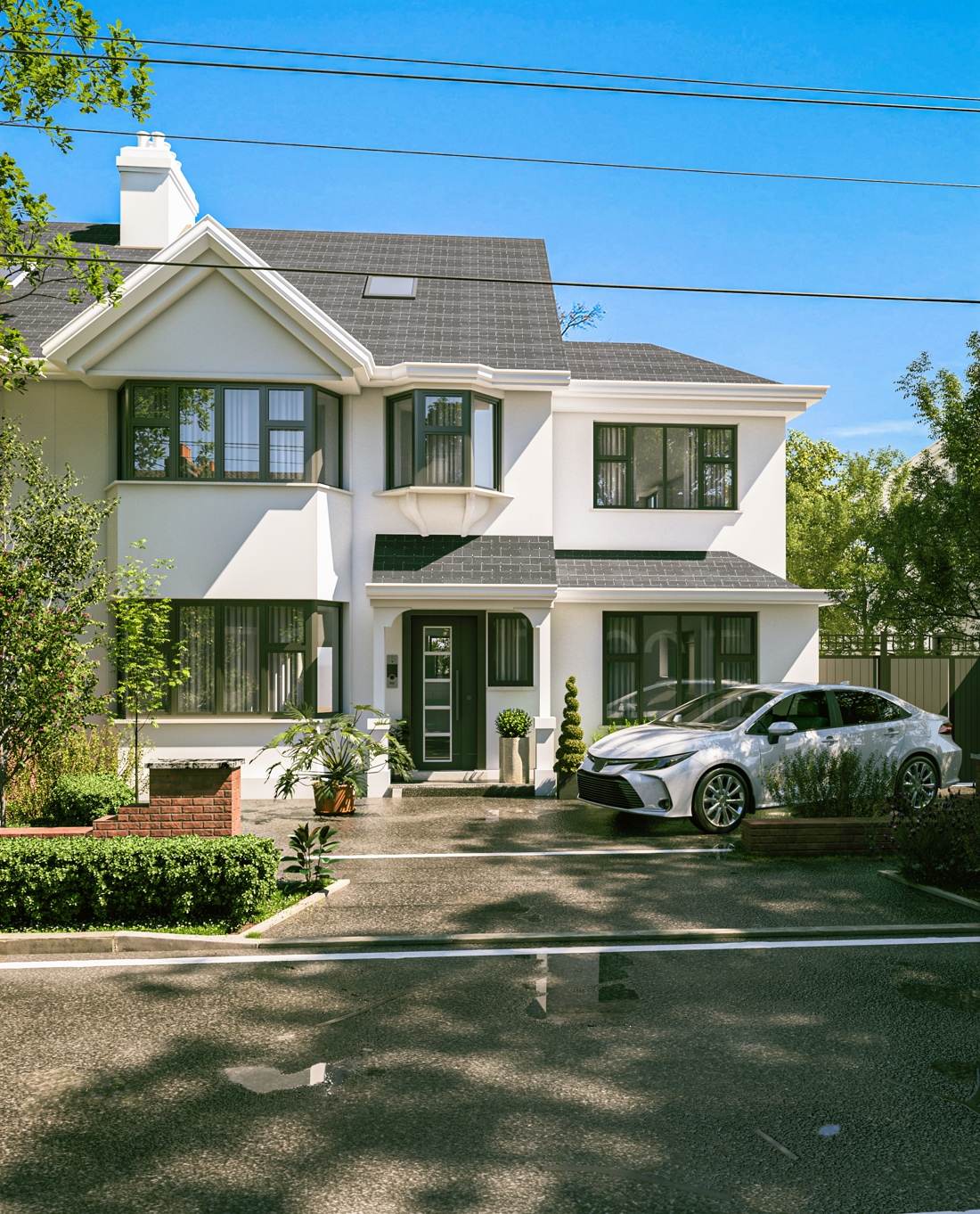
An extension should look like a natural part of the existing home, not like a separate addition. A successful design brings together structure, layout, materials, and light quality into a single architectural solution.
A good house extension design in the UK considers how people move, how well the structure works, how well it retains heat, and how easily it can be changed. This integrated approach makes the property more useful and more valuable.
Design choices should be based on long-term product performance, not just short-term aesthetics. To make sure that buildings last and investments are safe, architecture, structure, and construction methods must all work together.
How to Handle Risk by Working Together Early
Many project challenges arise from incomplete planning or poor coordination between design and technical requirements. Planning permission, structural input, and cost awareness should all be integrated early on to lower risk significantly.
Homeowners benefit from a proactive approach that finds problems before they happen instead of fixing them afterwards. This planning makes it easier to get approvals, stick to a budget, and stay on schedule.
Why Professional Guidance Matters
Planning policy interpretation, structural coordination, technical documentation, and construction oversight are all parts of residential extensions. Professional advice makes sure that each step builds on the last.
A team of experienced architects turns complicated needs into a structured, easy-to-follow process. Clear communication, technical accuracy, and coordinated delivery all help to keep both the design intent and the value of the investment safe.
Transform Your Vision with Studio20 Architects
If you are preparing to extend your home, Studio20 Architects provides a fully coordinated design approach that transforms ideas into compliant, buildable, and value-driven outcomes. From feasibility to completion, the studio delivers clarity, expertise, and precision at every stage of your extension journey.
FAQs
How long does a typical extension design process take in the UK?
The timeline varies depending on complexity, planning requirements, and technical coordination. Most residential extension projects move from feasibility to approval and technical design within several structured design stages.
Do all extensions require planning permission?
Not always. Some projects fall under permitted development rights, but compliance with regulations remains essential. Professional assessment ensures correct approvals are identified and submitted accurately.
What influences extension design feasibility?
Site constraints, structural capacity, planning policy, budget, and property layout all influence design feasibility. Early professional evaluation helps identify opportunities while managing limitations before detailed design begins.
Why is early budgeting important for extensions?
Budget clarity shapes design decisions, material choices, and structural strategy. Early cost awareness prevents redesign, delays, and scope reduction later in the project lifecycle.
How does an architect contribute to the success of a project?
Architects coordinate design, planning submissions, technical documentation, and construction oversight. Their role ensures compliance, design integrity, and efficient project delivery from concept through completion.