


Every successful extension, loft conversion, or renovation is built on structural calculations that are not visible. Homeowners often care more about the layout and finishes than the technical accuracy of the structure, which is what really matters when it comes to safety, compliance, and building.
Problems arise on site later when structural calculations are rushed, outsourced without coordination, or treated as an afterthought. These problems don’t usually stay small. They can cause delays in getting Building Control approval, redesigns, and budget overruns.
Knowing the most common Structural calculations mistakes helps homeowners and developers avoid unnecessary risk and ensures their project progresses smoothly from design through construction.
Key Takeaways
- Structural calculations are integral to design, not an afterthought
- Generic or template calculations increase approval risk
- Early coordination reduces construction costs
- Online tools cannot replace professional expertise
- A well-structured project protects safety, budget, and deadlines.
Why Structural Accuracy Matters More Than You Think
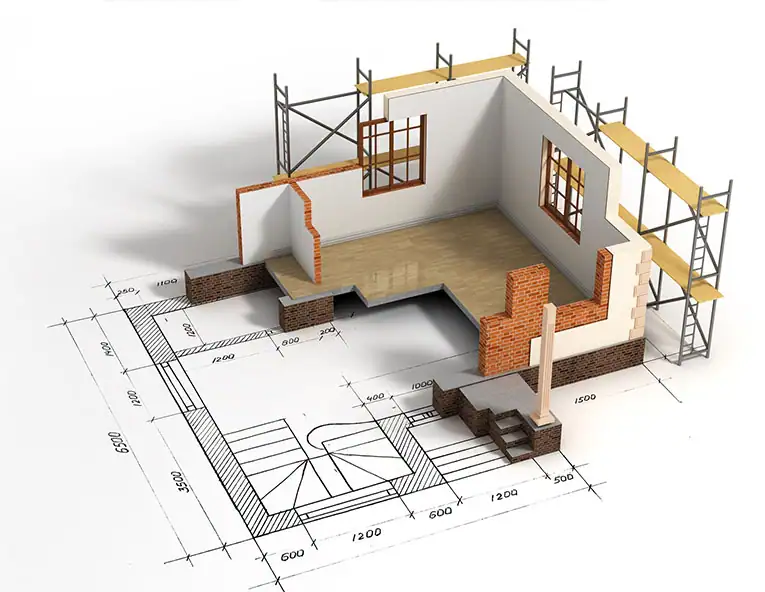
Structural calculations prove that a building can safely support new loads introduced by extensions, lofts, or internal alterations. They govern beam sizes, foundation requirements, floor loading, and load paths throughout the structure.
“According to UK Government guidance, structural safety is a core requirement under Building Regulations Part A and applications are often queried or rejected when calculations are incomplete or do not match the drawings. This shows that even a well designed project can fail approval without proper structural coordination.”
Mistake 1: Treating Structural Calculations as a Tick-Box Exercise
Thinking that structural calculations are just paperwork that needs to be done at the end of the process is one of the worst mistakes.
In reality, structure directly influences:
- Ceiling heights
- Open-plan spans
- Window and door sizes
- Construction sequencing
When calculations come in late, they often mean that the design has to be changed or that extra steel has to be bought that wasn’t planned for. Architectural design should not be behind structural thinking; it should be next to it.
Mistake 2: Using Generic or Template Calculations
Every piece of property is different. The way the soil is, the foundations that are already there, the way the walls are built, and the age of the building all affect how well it works.
Generic calculations or copied templates often don’t show how things really are on the site. This could lead to:
- Building Control rejections
- Contractor confusion
- Over-engineered solutions
Accurate structural calculations for building control must be site-specific, detailed, and in full agreement with approved drawings.
Mistake 3: Underestimating Structural Costs
Many homeowners are shocked when they find out how much the real structural calculations cost.
This usually happens because:
- There was no clear definition of structural scope early on.
- Underestimating the need for steel
- Foundations needed to be made stronger
One of the biggest costs of building a house is the structural work. Early coordination helps you make a realistic budget and avoids big changes during the build.
Mistake 4: Poor Coordination Between Architect and Engineer
If the calculations don’t match the architectural drawings, they can still cause problems.
Common coordination failures include:
- Beam positions that don’t match up with ceiling heights
- Steel sizes that make space less useful
- Load paths that don’t match up with openings
From day one, the architect and the professional who does Structural engineer calculations should work together well to make sure that the design intent, safety, and buildability all line up.
Mistake 5: Trusting Calculations That Are Only Available Online
Digital tools can be useful, but structural calculations online should never replace professional oversight.
Online systems often:
- Miss existing structural weaknesses
- Ignore construction sequencing
- Fail to consider local ground conditions
Software can help with calculations, but only trained professionals who know how buildings work in the real world should be responsible for them.
The Unseen Effects of Structural Mistakes on Your Project
Structural issues rarely remain isolated. A single miscalculation can:
- Delay Building Control approval
- Increase steel tonnage
- Extend construction timelines
- Inflate contractor costs
This is why avoiding Structural calculations mistakes is not just about safety. It is about protecting time, budget, and long-term performance.
How Early Structural Planning Saves Money
When structure is addressed early:
- Designs evolve realistically
- Builders price accurately
- Construction runs smoothly
Early structural input often lowers costs overall by stopping over-design and changes that happen late in the process. It also helps homeowners feel more sure and clear before work starts.
Build with Confidence Through Studio20 Architects
Structural planning is a big part of our architectural process at Studio20 Architects. From the start, we coordinate design, engineering, and compliance to make sure your project is safe, approved, and ready to be built.
We help homeowners build with confidence and clarity, not uncertainty, by avoiding expensive mistakes and managing the structure early on.
If you want to add on, convert a loft, or change the structure of your home, call Studio20 Architects today to get it right from the start.
FAQs
Why are structural calculations required for residential projects?
They show that the building can safely hold new loads, and UK Building Regulations say that Building Control must approve them.
Can structural calculations change my design?
Yes. To make sure safety, compliance, and long-term performance, calculations may affect layouts, spans, or foundation solutions.
Are online structural calculations acceptable for Building Control?
Only if qualified professionals make, review, and sign off on them. Online tools by themselves are not enough most of the time.
Do structural calculations affect construction costs?
Of course. The size of the steel, the depth of the foundation, and the paths of the loads all have a direct effect on the cost of materials and labor.
When should structural calculations be done?
It’s best to do this during the design phase, not after the plans have been approved, to avoid having to make changes and costs going up unexpectedly.