

Transform Your Home with Dartford Southfleet House Extensions

Homeowners in Dartford and Southfleet are increasingly turning to house extensions to expand their living space, add value, and create homes that reflect their lifestyle. A well-planned house extension can bring in more natural light, open up interior spaces, and provide functional areas such as kitchens, offices, or lounges. Whether your property is a compact terraced house or a spacious detached home, an extension can redefine how you live.
Key Takeaways
- House extensions provide extra space and increase property value.
- Choose the right type of extension based on your needs: rear, side, loft, or wrap-around.
- Proper planning and permissions are essential to avoid delays or legal issues.
- Design with light, flow, and functionality in mind.
- Hire experienced contractors to ensure a smooth project.
- Sustainable materials and energy-efficient features add long-term benefits.
- Maintenance keeps your extension looking and performing its best.
Why Choose a House Extension?
Adding a house extension allows you to increase your property’s footprint without the hassle of moving. Many families find that extensions solve space problems efficiently, whether it’s an extra bedroom, a home office, or a larger kitchen for family gatherings. Unlike moving, extending keeps you in your local area, maintains your connections, and can even save money in the long run.
Extensions also make properties more appealing on the market. A modern, well-designed extension boosts property value and attracts future buyers if you decide to sell. In Dartford and Southfleet, homes with thoughtfully designed extensions stand out in a competitive housing market.
Types of House Extensions
There are several types of house extensions that homeowners often choose:
-
Rear Extensions
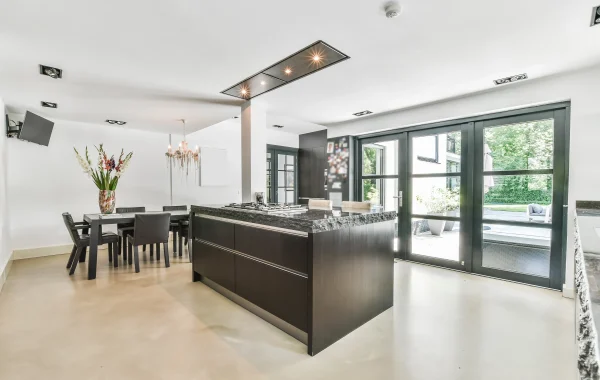
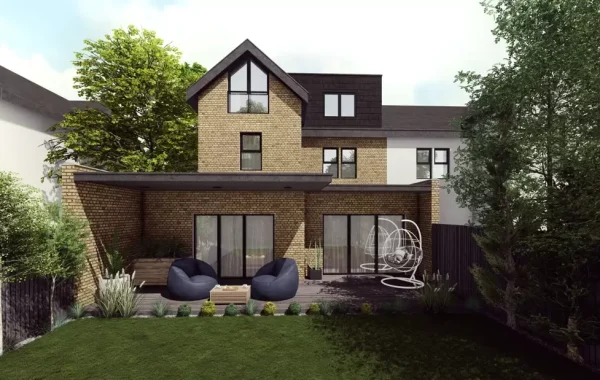
Rear extensions maximize your backyard space. They work perfectly for enlarging kitchens, living areas, or creating open-plan family rooms. A rear extension can bring in natural light, especially when paired with large glass doors or skylights. -
Side Extensions
Side extensions add extra width to your home. They work well for creating hallways, utility rooms, or additional bedrooms. Proper planning ensures the new space blends with the existing structure. -
Loft Conversions
Loft conversions turn unused attic space into bedrooms, offices, or playrooms. They are ideal for homeowners who want more space without altering the building’s footprint. A loft conversion can include dormer windows, skylights, or even en-suite bathrooms. -
Wrap-Around Extensions
Wrap-around extensions combine rear and side additions. They create large, functional spaces that can serve multiple purposes. These extensions often transform small homes into airy, open-plan layouts.
Planning and Permissions
Before starting a house extension, you need to consider planning regulations. Most small extensions fall under permitted development, but larger projects may require planning permission from local authorities. Factors such as the height of the extension, proximity to neighboring properties, and the materials used influence whether permission is needed.
Hiring a professional builder or architect ensures compliance with building regulations. They handle structural assessments, obtain necessary approvals, and guide the design process. Proper planning avoids delays, cost overruns, and legal issues.
Design Considerations
Design plays a key role in how successful a house extension will be. Consider these factors when planning your extension:
-
Lighting: Large windows, skylights, and glass doors bring in natural light and make spaces feel larger.
-
Flow: Ensure the new space connects naturally with existing rooms. Open-plan layouts often work best.
-
Materials: Matching bricks, roofing tiles, and finishes with your existing home maintains aesthetic harmony.
-
Functionality: Plan the space to serve your current and future needs, such as family growth or working from home.
-
Energy Efficiency: Modern insulation, double glazing, and efficient heating systems reduce energy bills and create a comfortable living environment.
Cost of House Extensions in Dartford and Southfleet
House extension costs vary depending on size, design, and materials. On average, homeowners in Dartford and Southfleet spend between £1,500 and £2,500 per square meter. Loft conversions may cost slightly more due to structural work and roofing alterations.
Additional expenses include:
- Architect fees
- Planning permission and building regulations approval
- Interior finishes, flooring, and decoration
Working with a trusted contractor helps you get an accurate quote and avoid unexpected costs.
Choosing the Right Contractor
Selecting the right contractor can make or break your house extension project. Look for companies with experience in Dartford and Southfleet, strong local reputations, and a portfolio of completed projects. Verify credentials, insurance, and customer reviews.
Clear communication is essential. A good contractor, in collaboration with Studio20 Architects, will listen to your requirements, offer practical suggestions, and maintain timelines. Regular updates and transparent billing ensure the project runs smoothly from start to finish.
Benefits of Extending Your Home
House extensions offer multiple advantages:
-
Increased Living Space: More room for family activities, hobbies, or work.
-
Enhanced Property Value: Extensions are attractive to buyers and boost resale potential.
-
Custom Design: Tailor the space to suit your lifestyle and personal taste.
-
Better Natural Light: Large windows and open-plan layouts improve ambiance.
-
Energy Efficiency: Modern extensions can incorporate energy-saving features to reduce bills.
Tips for a Successful House Extension
-
Start with a Budget: Set a realistic budget and include a contingency for unexpected costs.
-
Plan the Layout: Consider how the extension will fit with the rest of the house.
-
Focus on Quality: High-quality materials ensure durability and long-term satisfaction.
-
Think Long-Term: Design spaces that remain functional as your family needs change.
-
Hire Professionals: Architects and builders save time, money, and stress.
Real-Life Examples in Dartford and Southfleet
Local homeowners have transformed their homes with extensions. A family in Southfleet added a rear extension to create an open-plan kitchen and dining area. They also included bi-fold doors that connect the interior to the garden, creating a light-filled space perfect for entertaining.
In Dartford, a homeowner added a loft conversion with an en-suite bedroom. The project maintained the original character of the house while providing an additional bedroom and workspace. These projects demonstrate how thoughtful design and skilled construction can enhance both comfort and property value.
Sustainability in Extensions
Sustainable building practices are becoming increasingly popular in house extensions. Energy-efficient insulation, solar panels, and water-saving systems reduce environmental impact and long-term costs. Using recycled or locally sourced materials also supports sustainability.
Homeowners who invest in sustainable extensions enjoy lower energy bills, increased comfort, and a smaller carbon footprint.
Maintaining Your Extension
After construction, regular maintenance ensures your extension remains in excellent condition. Check roofing, gutters, and windows for leaks or damage. Keep wooden elements treated and inspect the structure periodically. A well-maintained extension lasts longer and retains its value.
FAQs
How long does a house extension in Dartford or Southfleet take?
The timeline depends on size and complexity. A small rear extension may take 8–12 weeks, while larger or multi-story projects can take 4–6 months.
Do I need planning permission for a house extension?
Smaller extensions often fall under permitted development, but larger or complex projects usually require planning permission. Consulting local planning authorities is recommended.
How much does a house extension cost?
Costs typically range from £1,500 to £2,500 per square meter, depending on design, materials, and structural requirements. Additional fees include architect services and permits.
Can I stay in my home during construction?
Yes, many homeowners continue living in their house, though minor disruptions may occur. Discuss logistics with your contractor for safety and convenience.
How do I make my extension energy-efficient?
Use high-quality insulation, double or triple glazing, energy-efficient heating systems, and sustainable building materials. Consider solar panels or rainwater harvesting to further enhance efficiency.