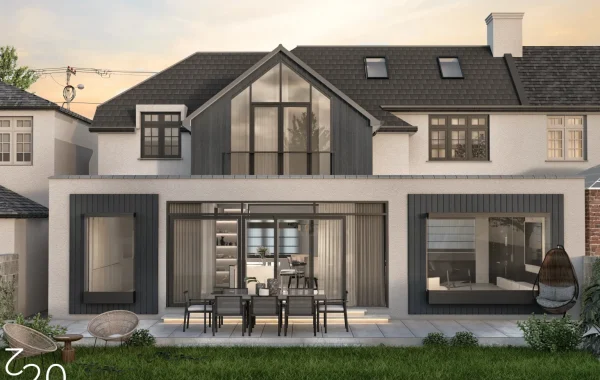




London’s green belt areas present a unique set of challenges for architects. These zones, designed to limit urban sprawl, protect natural landscapes, and maintain the city’s character, come with strict planning restrictions. For architects aiming to deliver projects in these areas, navigating the codes can feel like decoding a complex puzzle. Success requires strategic planning, clear communication with local authorities, and innovative design approaches that respect the environment.
Key Takeaways
- London’s green belt policies restrict new development and require careful navigation.
- Early engagement with planning authorities reduces risk of rejection.
- Adaptive reuse and low-impact design increase approval chances.
- Sustainable materials and sensitive landscaping strengthen proposals.
- Clear documentation and community consultation improve planning outcomes.
The Role of Green Belts in London
Green belts serve multiple purposes. They prevent urban overexpansion, preserve countryside character, and provide recreational spaces for residents. For architects, the stakes are high. Any proposal must balance functionality, aesthetic appeal, and strict compliance with planning policies. London’s green belt zones stretch across various boroughs, each with its own local policies alongside overarching national planning rules.
Projects that fail to respect green belt regulations face significant hurdles, including refusal of planning permission or forced redesigns. Architects must anticipate these challenges from the earliest stages of design to avoid costly delays.
Key Challenges for Architects
-
Stringent Planning Regulations
Green belt policies strictly limit the types of development allowed. Generally, new buildings are permitted only for agricultural purposes, essential community facilities, or limited residential extensions. Commercial or industrial development is usually prohibited unless it can demonstrate an overriding public benefit. Architects must design within these narrow parameters without compromising functionality or style.
-
Height and Massing Restrictions
Local councils closely monitor the scale of buildings in green belt areas. Designs must blend with the surrounding landscape, avoid overshadowing protected views, and maintain open space. Architects often face restrictions on height, bulk, and visual impact. Sensitive massing and careful site placement become critical to achieving approval.
-
Landscape and Environmental Sensitivity
Green belts protect biodiversity and natural habitats. Architects must work with landscape specialists to ensure minimal disruption. Site surveys, ecological assessments, and tree preservation plans often form mandatory parts of planning applications. Incorporating green infrastructure, such as rain gardens or wildlife corridors, can strengthen the case for approval.
-
Community and Stakeholder Engagement
Local residents often strongly oppose development in green belt areas. Architects who engage early with communities, explain design intentions, and respond to feedback reduce the risk of objections. Public consultations, design workshops, and transparent communication play a major role in successful planning applications.
Strategies for Navigating Green Belt Codes
-
Prioritize Adaptive Reuse
Converting existing structures rather than building anew often receives a more favourable response. Repurposing barns, industrial units, or redundant buildings demonstrates respect for the landscape and aligns with green belt objectives. Architects can use adaptive reuse to introduce modern amenities while retaining historical character.
-
Integrate Sustainable Design
Green belt projects benefit from energy-efficient technologies and sustainable materials. Passive solar design, natural ventilation, and low-impact foundations not only reduce environmental impact but also strengthen planning applications. Councils increasingly value proposals that align with climate resilience goals.
-
Design Low-Impact Footprints
Limiting the building footprint reduces disruption to open space. Architects can achieve functionality through vertical design, careful orientation, or modular layouts. Preserving hedgerows, existing trees, and natural watercourses reinforces compliance with landscape policies.
-
Work Closely with Planning Officers
Early engagement with local planning officers clarifies acceptable parameters and prevents wasted effort. Architects who present options, visual impact assessments, and clear rationales increase the likelihood of approval. Understanding specific borough priorities, such as protecting agricultural land or maintaining heritage views, proves invaluable.
-
Document Everything Thoroughly
Planning committees value detailed documentation. Architects should submit design statements, environmental assessments, and visual impact reports. Demonstrating that proposals minimize harm, respect local character, and offer public benefits strengthens the case for development.
Case Studies: Success in London Green Belts
Several architects have successfully completed projects in London’s green belt areas by combining creativity with compliance:
-
Residential Extensions: Expanding existing homes with lightweight materials and low profiles maintained visual harmony while increasing living space. Careful landscape integration and local consultations minimized objections.
-
Adaptive Barn Conversions: Architects transformed redundant barns into contemporary dwellings. Retaining original structures preserved character while introducing modern interiors. Environmental assessments highlighted minimal ecological disruption.
-
Community Facilities: Small-scale community centres replaced older structures. Designs prioritised low-impact footprints, sustainable materials, and visual integration into the surroundings, winning strong support from councils and residents alike.
These examples highlight that careful planning, design sensitivity, and regulatory knowledge, combined with expertise like that of Studio 20 Architects, can make green belt projects feasible without compromising architectural ambition.
FAQs
1. Can I build a new house in London’s green belt?
New housing is generally restricted. Exceptions exist for agricultural workers, replacement dwellings, or projects demonstrating exceptional public benefits. Approval requires strong justification and compliance with local policies.
2. Are there limits on how tall buildings can be in green belt areas?
Yes. Councils enforce height and massing restrictions to preserve landscape character. Architects must design within these limits while achieving functionality.
3. How can architects minimize objections from local residents?
Engaging early, presenting visualizations, and addressing concerns about traffic, noise, and environmental impact reduce resistance. Transparent communication builds trust.
4. Do green belt regulations differ between boroughs?
Yes. While national policies set broad limits, each borough applies its own planning rules. Architects must review local development plans carefully.
5. Does using sustainable materials help planning approval?
Yes. Demonstrating energy efficiency, low environmental impact, and climate resilience aligns with policy objectives and strengthens proposals.These examples highlight that careful planning, design sensitivity, and regulatory knowledge, combined with expertise like that of Studio 20 Architects, can make green belt projects feasible without compromising architectural ambition.