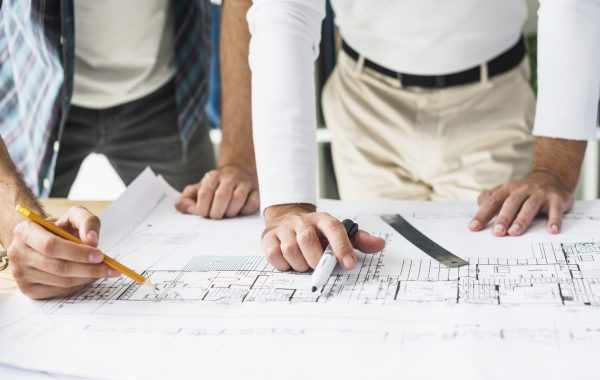



Precision in Dartford Southfleet Structural Calculations: Ensuring Safety and Strength

Structural calculations form the backbone of any construction project. In Dartford Southfleet, engineers and architects rely on precise structural calculations to guarantee that buildings, bridges, and other infrastructures remain safe, durable, and functional. These calculations determine how loads, forces, and stresses act on structures, guiding professionals in making informed decisions about materials, designs, and construction methods.
Key Takeaways
- Structural calculations prevent failures, reduce risks, and improve building safety.
- Accurate load analysis, material assessment, and foundation design are crucial for every project.
- Residential, commercial, industrial, and infrastructure projects require specific calculation methods.
- Software aids calculations but manual verification ensures precision.
- Compliance with building codes guarantees safety, legal alignment, and long-term durability.
- Proper documentation and collaboration improve efficiency and project quality.
Importance of Structural Calculations in Dartford Southfleet
Structural calculations are critical for creating buildings that can withstand natural forces such as wind, rain, earthquakes, and human activity. Without accurate calculations, a structure may face risks of collapse, deformation, or costly repairs. Dartford Southfleet has a mix of residential, commercial, and industrial projects, making precise structural analysis essential for both safety and investment value.
Structural engineers in Dartford Southfleet apply mathematical models to analyze structural behavior. They evaluate forces like tension, compression, shear, and bending. These analyses determine the dimensions of beams, columns, and slabs, ensuring that structures can handle both static and dynamic loads.
Core Components of Structural Calculations
Structural calculations cover multiple aspects:
-
Load Analysis – Engineers determine the weight a structure must support, including live loads (occupants, furniture) and dead loads (walls, floors, roof).
-
Material Strength Assessment – Professionals calculate how materials like steel, concrete, or timber behave under stress. This ensures that the chosen materials can safely carry the expected loads.
-
Foundation Design – Foundations transfer the building’s weight to the ground. Calculations ensure soil bearing capacity aligns with the building’s requirements.
-
Deflection and Stability Checks – Structural members must resist excessive bending or swaying. Calculations ensure deflection remains within safe limits.
-
Seismic and Wind Load Evaluation – In areas prone to natural forces, engineers calculate how structures react to lateral loads, maintaining safety and comfort.
Benefits of Accurate Structural Calculations
Proper calculations offer numerous advantages:
-
Enhanced Safety: Accurate analysis minimizes risks of structural failure.
-
Cost Efficiency: Engineers prevent overdesign or underdesign, saving material costs.
-
Compliance: Calculations align projects with building codes and regulations in Dartford Southfleet.
-
Longevity: Well-calculated structures endure environmental stress, reducing maintenance expenses.
-
Optimization: Calculations help engineers optimize beam sizes, slab thickness, and material use, achieving efficiency without sacrificing safety.
Structural Calculations for Different Projects
Residential Buildings
Residential projects demand careful attention to both load distribution and space usability. Engineers calculate floor slab thickness, beam placement, and column sizing to create safe living spaces. They also account for local soil conditions and environmental loads to ensure long-term stability.
Commercial Structures
Commercial buildings often include multiple floors and heavy equipment. Engineers use advanced calculations to handle dynamic loads from machinery, large groups of people, and storage facilities. Precise analysis prevents structural fatigue and supports building expansion.
Industrial Facilities
Industrial structures face unique challenges, including heavy machinery, high temperatures, and vibrations. Structural calculations guide engineers in choosing materials, designing reinforced foundations, and creating resilient frameworks to handle extreme conditions.
Bridges and Infrastructure
For bridges and large-scale infrastructure, calculations focus on load-bearing capacity, wind resistance, and material durability. Engineers evaluate stress distribution across spans, piers, and supports to prevent failures and guarantee long-term performance.
The Role of Software in Structural Calculations
Modern structural engineering in Dartford Southfleet uses advanced software to perform complex calculations efficiently. Programs simulate structural behavior under various conditions, providing accurate data for design decisions. These tools accelerate calculations, reduce human error, and allow engineers to test multiple design options.
Despite the use of software, engineers still verify results manually. Manual calculations ensure that the software’s output aligns with engineering principles and project requirements, combining speed with accuracy.
Compliance with Building Codes
All structural calculations must adhere to local and national building regulations. In Dartford Southfleet, engineers follow codes that define minimum safety standards, material specifications, and construction practices. Compliance prevents legal issues, enhances public safety, and improves overall project quality.
Key Challenges in Structural Calculations
Engineers face multiple challenges while performing calculations:
-
Complex Load Combinations: Buildings may experience simultaneous forces, requiring careful calculation to prevent overloading.
-
Material Variability: Different batches of materials can vary in strength, making accurate specification critical.
-
Soil Conditions: Unstable or weak soil requires precise foundation calculations to avoid settlement issues.
-
Environmental Factors: Rain, wind, and temperature fluctuations influence structural integrity.
-
Design Changes: Modifications during construction require recalculations to maintain safety.
Tips for Effective Structural Calculations
-
Gather Accurate Data: Obtain precise measurements, material strengths, and load assumptions before calculations.
-
Use Proper Methods: Apply recognized engineering principles and calculation formulas.
-
Double-Check Work: Manual verification ensures that software results are correct.
-
Document Assumptions: Keep records of all assumptions, parameters, and safety factors used in calculations.
-
Collaborate: Architects, engineers, and contractors should communicate regularly to prevent design conflicts.
Why Dartford Southfleet Professionals Stand Out
Dartford Southfleet engineers emphasize precision, safety, and sustainability in every project. Studio20 Architects combines technical knowledge, practical experience, and modern tools to manage complex calculations, optimize designs, and deliver structures that last. Clients benefit from cost savings, reduced construction risks, and assurance that their projects meet the highest standards.
With an increasing number of residential and commercial projects in Dartford Southfleet, structural calculations remain a critical step in every construction plan. Professionals combine technical knowledge, modern tools, and practical experience to ensure every building performs as intended.
FAQs
What are structural calculations, and why are they important in Dartford Southfleet?
Structural calculations evaluate how forces, loads, and stresses affect buildings. They ensure that structures remain safe, durable, and compliant with local regulations.
Can software alone handle all structural calculations?
No. Software performs calculations faster and simulates conditions, but engineers must verify results manually to ensure accuracy.
Which materials require special attention in structural calculations?
Materials like concrete, steel, and timber have specific properties that affect load-bearing capacity. Engineers calculate strength, elasticity, and durability for each material.
How do engineers account for environmental factors?
Engineers calculate wind loads, rainfall, temperature variations, and seismic activity. These factors influence material choice, foundation design, and structural reinforcement.
Are structural calculations required for small residential projects?
Yes. Even small houses need proper calculations to ensure safe foundations, beams, and load distribution. Neglecting this can lead to long-term structural issues.