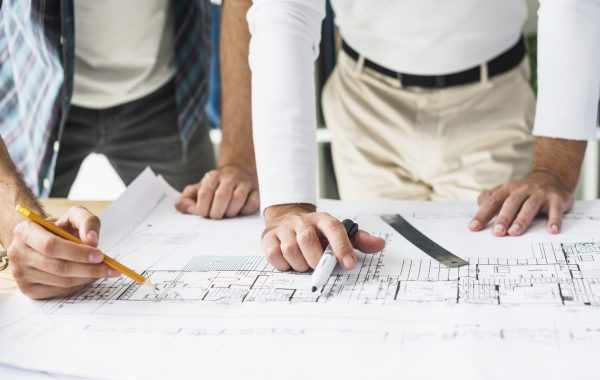




Flat conversion projects continue to shape the housing landscape across Dartford, Sutton-at-Hone, and Hawley. Homeowners, landlords, and property investors now turn unused lofts, garages, and large single dwellings into practical flats that meet modern living needs. These areas offer strong demand for quality rental units and compact homes, making flat conversion a strategic property decision.
Property owners in Sutton-at-Hone and Hawley often seek additional living space without moving away from established communities. Flat conversion delivers that opportunity while increasing property value and improving long-term income potential. With careful planning, the process remains efficient and compliant with local building standards.
This blog explains how flat conversion works in Dartford, Sutton-at-Hone, and Hawley, outlines planning factors, highlights construction stages, and shows how professional execution leads to successful results.
Key Takeaways
- Flat conversion suits Dartford, Sutton-at-Hone, and Hawley due to strong housing demand
- Multiple conversion types fit different property structures
- Planning permission and building regulations play a vital role
- Professional design improves comfort, safety, and value
- Well-managed flat conversion delivers long-term financial and practical benefits
Why Flat Conversion Works Well in Dartford, Sutton-at-Hone, and Hawley
Dartford continues to grow as a commuter hub with direct links to London and surrounding Kent towns. Sutton-at-Hone and Hawley benefit from quieter residential settings while staying close to key transport routes and amenities. These conditions create consistent demand for self-contained flats.
Property sizes in these areas often allow practical reconfiguration. Large family homes, older properties, and underused spaces provide ideal layouts for flat conversion. Homeowners can split properties vertically or horizontally depending on structure and access.
Local councils support responsible housing development when plans meet safety, design, and infrastructure requirements. When owners follow planning rules and building regulations, flat conversion becomes a strong option for improving housing supply.
Common Flat Conversion Types in the Area
Flat conversion methods vary based on property structure and local constraints. Each option serves a different purpose and audience.
House to Multiple Flats
This approach divides a single dwelling into two or more self-contained flats. Builders install separate entrances, kitchens, bathrooms, and utilities. This method suits large period homes and detached properties commonly found in Sutton-at-Hone.
Loft Flat Conversion
A loft conversion can form a separate flat when roof height and access allow. Owners often add staircases, dormers, and fire protection measures. This option works well in Dartford where space efficiency matters.
Garage and Outbuilding Conversion
Detached garages or garden buildings can become studio or one-bedroom flats. Hawley properties with larger plots often support this type of conversion.
Basement Flat Conversion
Some properties include basements that can function as independent living units. Builders focus on waterproofing, ventilation, and natural light solutions.
Each conversion type requires tailored design and technical planning to meet legal standards.
Planning Permission and Local Regulations
Flat conversion projects in Dartford, Sutton-at-Hone, and Hawley often require planning permission, especially when creating multiple dwellings from one property. Owners must submit detailed plans that show layout changes, access points, parking arrangements, and waste storage.
Dartford Borough Council reviews each application based on:
- Impact on neighbouring properties
- Adequate living space standards
- Parking availability
- Fire safety provisions
- Noise control measures
Building regulations approval remains mandatory for all flat conversions. Inspectors assess structural changes, insulation, ventilation, fire separation, and soundproofing. Skipping approvals risks fines, delays, and resale issues.
Professional architects and builders help navigate these requirements efficiently and reduce rejection risks.
Design Considerations for Successful Flat Conversion
Good design plays a major role in flat conversion success. Practical layouts attract tenants and buyers while reducing maintenance costs.
Space Planning
Designers maximise usable space while maintaining comfort. Open-plan kitchens and living areas work well in smaller flats. Storage solutions improve functionality without overcrowding.
Sound Insulation
Proper acoustic insulation prevents noise transfer between flats. Builders install high-performance floors, walls, and ceilings to meet regulation standards and improve occupant comfort.
Natural Light
Windows, rooflights, and glazed doors enhance brightness. Good lighting increases appeal and reduces energy usage.
Fire Safety
Designs include fire doors, protected escape routes, smoke alarms, and emergency lighting. These elements protect occupants and satisfy legal requirements.
Thoughtful design also increases rental value and long-term satisfaction.
Construction Process for Flat Conversion Projects
Flat conversion requires a structured construction approach to maintain safety, quality, and timelines.
Structural Alterations
Builders strengthen floors, walls, and foundations to support new layouts. They install steel beams where required and adjust load paths carefully.
Utility Separation
Each flat needs independent water, gas, electricity, and heating systems. Builders coordinate with utility providers to install separate meters and connections.
Internal Fit-Out
Teams complete plastering, flooring, kitchens, bathrooms, and fixtures. Quality finishes help flats compete in the local rental market.
Compliance Inspections
Inspectors review work at each stage. Final approval confirms that the conversion meets all regulations and standards.
Clear communication between property owners and contractors keeps projects moving smoothly.
Costs and Budget Planning
Flat conversion costs vary based on property size, condition, and design complexity. In Dartford, Sutton-at-Hone, and Hawley, typical costs include:
- Architectural and planning fees
- Structural engineering work
- Construction labour and materials
- Utility upgrades
- Fire and soundproofing systems
Setting a realistic budget prevents delays and compromises. Property owners should also allow contingency funds for unexpected structural issues.
While upfront investment can seem significant, flat conversion often delivers strong returns through rental income or resale value increases.
Benefits of Flat Conversion for Property Owners
Flat conversion offers multiple advantages beyond financial gain.
- Owners create additional living units without purchasing new land
- Rental income supports mortgage payments and long-term wealth
- Property value increases due to higher usage potential
- Housing supply improves within established communities
For families, flat conversion also allows multi-generational living while maintaining privacy.
Choosing the Right Flat Conversion Specialist
Selecting experienced professionals determines project success. Reputable contractors understand local planning policies, building regulations, and construction best practices.
A strong conversion specialist will:
- Provide clear timelines and cost breakdowns
- Manage planning and building control coordination
- Use qualified tradespeople
- Maintain site safety and cleanliness
Local experience in Dartford, Sutton-at-Hone, and Hawley helps teams anticipate challenges and deliver consistent results.
Sustainability and Energy Efficiency
Modern flat conversion projects now prioritise energy efficiency. Builders install insulation, efficient heating systems, and low-energy lighting. These upgrades reduce running costs and attract environmentally conscious tenants.
Sustainable design also supports compliance with current building standards and future regulations.
Long-Term Value of Flat Conversion
Flat conversion strengthens property performance over time. Owners benefit from diversified income streams and improved asset resilience. Well-designed flats remain in demand even during market shifts.
When owners maintain quality standards and comply with regulations, flat conversion continues to serve as a smart property strategy across Dartford, Sutton-at-Hone, and Hawley.
Frequently Asked Questions
Do I need planning permission for flat conversion in Dartford?
Yes, most flat conversions require planning permission, especially when creating multiple dwellings from one property.
How long does a flat conversion project take?
Most projects take between 12 and 24 weeks, depending on size, approvals, and structural work.
Can I convert a house into flats without separate entrances?
Local authorities usually require separate entrances for each flat to meet safety and privacy standards.
Will flat conversion increase my council tax?
Each new flat receives its own council tax band, which can affect overall property taxation.
Is flat conversion suitable for older properties?
Yes, many older properties in Sutton-at-Hone and Hawley convert well when structural assessments support the design.