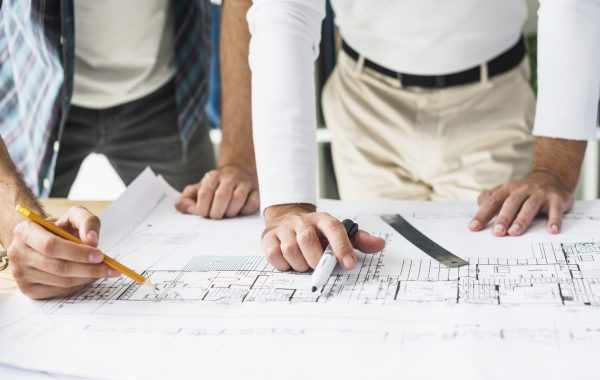



Dartford Sutton-at-Hone and Hawley Single Storey Extension

Homeowners in Dartford, Sutton-at-Hone, and Hawley are increasingly turning to single storey extensions to add space, style, and value to their properties. Whether you want a larger kitchen, a sun-filled living area, or a functional office, a single storey extension provides the perfect solution without the hassle of moving.
A well-designed extension can transform how you use your home while enhancing its overall appeal. From planning and design to construction, every step shapes a living space that feels natural and inviting. Let’s look at the benefits, planning process, and what to expect when adding a single storey extension to your Dartford, Sutton-at-Hone, or Hawley home.
Key Takeaways
- Single storey extensions add space, light, and value without major structural changes.
- Planning and budgeting carefully prevents delays and extra costs.
- Local builders provide expertise, knowledge of regulations, and faster project completion.
- Design features like open layouts, skylights, and large doors enhance functionality and aesthetics.
- Avoid common mistakes such as ignoring permissions or rushing design decisions.
Why Homeowners Choose Single Storey Extensions
Single storey extensions have gained popularity because they maximize space without altering the structure of the main house. Unlike multi-storey extensions, they require less structural modification, reducing both time and costs. Here’s why homeowners opt for them:
- Extra Living Space: You can add a larger kitchen, dining area, or lounge. Many families also use extensions to create playrooms or offices.
- Improved Natural Light: With careful planning, extensions allow for bigger windows, sliding doors, or even skylights, filling your home with sunlight.
- Enhanced Property Value: A thoughtfully built extension can increase your property’s resale value, making it a smart investment.
- Flexibility in Design: Extensions allow for modern layouts, open-plan spaces, and better integration with gardens or outdoor areas.
Adding a single storey extension gives your home a fresh look while solving space constraints efficiently.
Planning Your Extension
Planning plays a vital role in the success of any extension. Start by assessing your needs. Decide how much space you want to add, what function it will serve, and how it will fit with your current home.
Hiring a local architect or builder in Dartford, Sutton-at-Hone, or Hawley can help you align your vision with planning regulations. A professional will provide guidance on permitted development rights and building regulations, avoiding potential delays or legal issues.
Key planning steps include:
-
Setting a Budget: Determine a realistic budget for design, construction, and finishing. This helps prevent unexpected costs.
-
Choosing Materials: The materials must match your existing home while withstanding local weather conditions. Brick, timber, glass, and metal finishes all create unique looks.
-
Design and Layout: Open-plan layouts work well in single storey extensions, creating a sense of flow and spaciousness. Consider how the extension connects to existing rooms and outdoor spaces.
-
Permissions and Regulations: Even small extensions might require planning permission depending on size, design, or location. Consulting a local builder ensures compliance.
Thorough planning minimizes construction issues and delivers a space that meets your lifestyle needs.
Construction Process
The construction phase turns plans into reality. Skilled builders focus on quality, timing, and safety throughout the project.
Key Steps in Building a Single Storey Extension:
-
Site Preparation: Builders clear the area, check foundations, and ensure all utilities are accounted for.
-
Foundation Work: A strong foundation supports your extension, preventing cracks or structural problems later.
-
Building Walls and Roof: Walls and roofing are constructed according to design specifications. Quality materials ensure durability and energy efficiency.
-
Installations: Electrical, plumbing, and heating systems are added. Modern extensions often include underfloor heating, energy-efficient lighting, and smart home features.
-
Finishing Touches: Flooring, painting, fixtures, and landscaping complete the transformation.
A single storey extension often takes less time than multi-storey projects, meaning you can start enjoying your new space sooner.
Popular Design Features
Homeowners in Dartford, Sutton-at-Hone, and Hawley often incorporate design elements that maximize comfort and functionality. Popular choices include:
- Bi-Fold or Sliding Doors: These doors connect indoor and outdoor spaces, creating a larger, airy feel.
- Skylights and Roof Lanterns: Add natural light and a modern touch.
- Open-Plan Layouts: Integrate kitchen, dining, and living areas for family gatherings and entertaining.
- Energy-Efficient Windows and Insulation: Keep your home warm in winter and cool in summer while reducing energy bills.
- Integrated Storage Solutions: Custom cabinets and shelving enhance space without clutter.
These features make your extension more enjoyable while boosting home value.
Benefits of Local Builders
Hiring local builders for Dartford, Sutton-at-Hone, and Hawley ensures smoother communication, faster response times, and familiarity with local building rules. Local teams understand regional architecture and environmental conditions, making it easier to match materials and design aesthetics.
A skilled builder will:
- Provide accurate cost estimates
- Offer suggestions to improve functionality
- Maintain timelines and quality standards
- Handle all necessary paperwork
Local expertise guarantees your extension looks cohesive with your existing property and neighborhood.
Cost Considerations
Costs for single storey extensions vary based on size, materials, and design complexity. While simple extensions can start at a moderate price, high-end finishes, large glazing panels, or luxury kitchens will increase costs.
Factors affecting cost:
- Size of the Extension: Larger spaces require more materials and labor.
- Materials Used: Bricks, timber, glass, and roofing materials vary in price.
- Design Complexity: Curved walls, multi-level roofs, or custom features add to costs.
- Labor: Hiring experienced builders may cost more initially but reduces the risk of errors or delays.
Studio20 Architects helps homeowners plan a realistic budget and select options that maximize value without overspending.
Common Mistakes to Avoid
Even small projects can encounter issues if homeowners don’t plan carefully. Avoid these common pitfalls:
- Ignoring Planning Regulations: Not checking permissions can lead to fines or removal of the extension.
- Overlooking Lighting and Ventilation: Poorly lit or ventilated spaces feel cramped and uncomfortable.
- Rushing Design Decisions: Take time to choose layouts, finishes, and features that suit your lifestyle.
- Skipping Professional Advice: Architects, surveyors, and builders prevent costly mistakes and ensure safety.
- Neglecting Outdoor Integration: Ensure your extension complements your garden or outdoor space for a harmonious look.
Careful planning prevents regrets and ensures the extension adds long-term value.
Making the Most of Your Extension
Once your extension is complete, focus on functionality and comfort. Use flexible furniture, smart storage solutions, and lighting to maximize space. Position seating near windows to take advantage of natural light. Use consistent flooring and decor to create a unified look with your existing home.
A well-designed extension doesn’t just add space—it transforms how your family uses and enjoys your home.
Frequently Asked Questions
How long does a single storey extension take to complete?
Construction typically takes 8–16 weeks, depending on size, design, and materials. Local builders can provide a more accurate timeline after assessing your property.
Do I need planning permission for a single storey extension?
Many single storey extensions fall under permitted development, but size, height, and proximity to boundaries can require permission. Always consult a local builder or council.
How much does a single storey extension cost?
Costs vary widely, usually starting from around £15,000 for basic designs. Larger or more complex extensions with premium finishes can cost significantly more.
Can I live in my house during construction?
Yes, most single storey extensions allow homeowners to remain in the house. However, some disruption is inevitable, and builders may temporarily restrict access to certain areas.
What are the most popular uses for single storey extensions?
Common uses include larger kitchens, open-plan living areas, offices, playrooms, and sunrooms. Many homeowners also connect extensions to gardens with bi-fold or sliding doors.