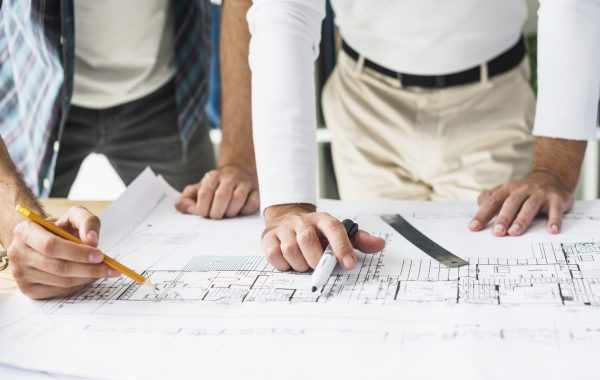



Dartford Sutton-at-Hone and Hawley Structural Calculations

Structural calculations shape the safety, performance, and approval of buildings across Dartford, Sutton-at-Hone, and Hawley. Every extension, loft conversion, renovation, or new build depends on precise figures that prove the structure can carry loads and meet Building Regulations. This blog explains how structural calculations support projects in these local areas, why they matter, and how professionals deliver them with clarity and speed—using active methods that keep projects moving.
Key Takeaways
- Structural calculations prove that buildings in Dartford, Sutton-at-Hone, and Hawley can carry loads safely.
- Councils require clear calculations that align with drawings and current standards.
- Extensions, loft conversions, alterations, and new builds all depend on accurate figures.
- Local ground conditions influence foundation and steel design choices.
- Early collaboration with engineers saves time and reduces site issues.
Why Structural Calculations Matter in Dartford, Sutton-at-Hone, and Hawley
Local building styles range from period homes to modern developments. Each property type places unique demands on beams, foundations, floors, and roofs. Structural calculations confirm that a design works with these demands rather than against them.
Engineers calculate dead loads, live loads, wind actions, and snow loads based on UK standards. They assess ground conditions common to Kent, including clay soils that expand and shrink with moisture changes. These steps protect buildings from cracking, excessive movement, and long-term damage.
Councils and approved inspectors require these calculations before they approve plans. Builders also rely on them to size steel beams, joists, and padstones correctly. Without them, projects stall or face costly changes on site.
Local Planning and Building Control Expectations
Dartford Borough Council and local building control bodies expect clear, well-presented calculations. Engineers must reference current British Standards and Eurocodes. They must also align calculations with submitted drawings.
Projects in Sutton-at-Hone and Hawley often involve semi-rural properties with older structures. Engineers must check existing walls, floors, and foundations before adding new loads. Calculations must show how new elements interact with old ones. This approach reassures inspectors and keeps approvals on track.
Types of Projects That Need Structural Calculations
Structural calculations support a wide range of residential and commercial works in the area:
- Home extensions: Rear, side, and wraparound extensions often require steel beams to support removed walls.
- Loft conversions: New floors, dormers, and roof alterations need checks for load paths and deflection limits.
- Internal alterations: Open-plan layouts demand accurate beam sizing and bearing checks.
- New builds: Foundations, frames, and roofs need full structural design from the ground up.
- Commercial fit-outs: Change of use and layout updates require confirmation of load capacity.
Each project type calls for tailored calculations that match the site and design.
How Engineers Produce Structural Calculations
Engineers follow a clear process that keeps work accurate and efficient:
-
Site information review
They study architectural drawings, site photos, and soil data. When needed, they request trial pit results or previous reports. -
Load assessment
They calculate permanent and variable loads, including furniture, occupants, and environmental forces. -
Element design
They size beams, columns, lintels, and foundations. They check bending, shear, bearing, and deflection. -
Connection checks
They verify how elements connect to walls and floors, including padstones and fixings. -
Report preparation
They present calculations in a clear format for building control review.
This method keeps projects compliant and reduces queries during approval.
Structural Steel Calculations for Extensions and Alterations
Steel beams often support removed load-bearing walls. In Dartford and nearby villages, many homes use masonry walls and timber floors. Engineers calculate beam sizes that fit within ceiling depths while carrying the required loads.
They also check bearing lengths on existing walls. Where walls lack strength, they specify padstones or additional supports. This attention to detail prevents cracking and uneven settlement.
Foundation Calculations and Ground Conditions
Kent soils can present challenges, especially shrinkable clay. Engineers assess foundation depth and width to resist movement. For extensions, they check whether existing foundations can support new loads. If not, they design new foundations that work alongside the old ones.
For new builds, they select strip, trench fill, or raft foundations based on ground conditions and layout. These calculations protect the structure from long-term ground movement.
Timber and Roof Structure Calculations
Loft conversions and roof alterations need careful checks. Engineers calculate new floor joists to meet strength and vibration limits. They also assess rafters, purlins, and ridge beams when adding dormers or changing roof shapes.
Snow and wind loads play a key role in roof design. Engineers factor in local exposure and building height to keep roofs stable in all seasons.
Commercial and Mixed-Use Projects
Shops, offices, and mixed-use buildings in Dartford town centre and surrounding areas require calculations that reflect higher loads. Engineers design floors for equipment, storage, and foot traffic. They also check fire resistance and robustness where regulations demand it.
Clear calculations help business owners secure approvals and open on schedule.
Working With Architects and Builders
Structural calculations work best when engineers collaborate closely with architects and builders. Early input allows beam positions, wall thicknesses, and foundation layouts to align with the design vision. Builders then receive clear information that reduces site delays.
In Sutton-at-Hone and Hawley, where access and space can feel tight, coordination matters even more. Engineers often suggest practical alternatives that keep the design intact while easing construction.
Speed, Accuracy, and Local Knowledge
Local experience adds value. Engineers familiar with Dartford and nearby villages know common property layouts and ground issues. They respond quickly to building control comments and adjust calculations when designs change.
Fast turnaround keeps projects moving, but accuracy remains the priority. Clear calculations reduce back-and-forth and support smooth approvals.
Digital Delivery and Onsite Support
Most engineers now deliver calculations digitally, which speeds up sharing with councils and builders. When questions arise on site, they provide clarifications that keep work progressing.
This level of support helps homeowners and developers feel confident at every stage.
Working With Studio20 Architects
Studio20 Architects delivers end-to-end basement conversion services across Dartford, Sutton-at-Hone, and Hawley. The practice focuses on clear design, technical accuracy, and practical construction solutions.
Services include:
- Basement feasibility studies
- Architectural design and layout planning
- Planning and Building Regulations submissions
- Structural coordination
- Construction detailing and support
This integrated approach keeps projects efficient and compliant from start to finish.
Frequently Asked Questions
Do I need structural calculations for a small home extension?
Yes. Removing walls or adding new loads requires calculations to satisfy Building Regulations and protect the structure.
How long does it take to receive structural calculations?
Timeframes vary by project size, but many residential projects receive calculations within a few days once drawings and details arrive.
Can builders work without approved calculations?
Builders should not proceed without them. Building control will request calculations, and missing information can halt work.
Will calculations cover existing structures in older homes?
Yes. Engineers assess existing walls, floors, and foundations before adding new elements, which suits older properties in Sutton-at-Hone and Hawley.
Do calculations change if the design changes?
They can. Engineers update calculations to match revised layouts, beam sizes, or foundation details to keep approvals valid.