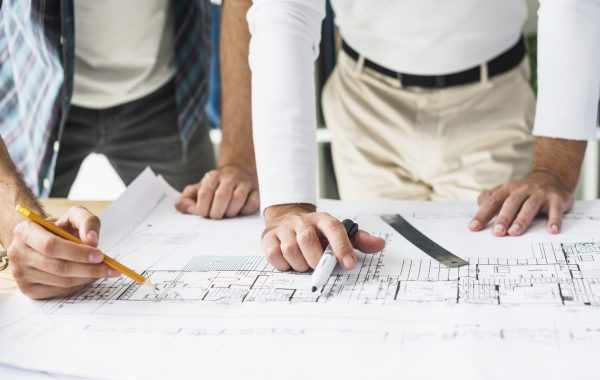




Homeowners in Dartford, Swanscombe, and Greenhithe have been actively reshaping their living spaces through house extensions. With growing family needs, increased property value, and the desire for more functional space, extending a home has become a practical solution for many. This blog outlines the trends, benefits, and essential considerations for house extensions in these areas, helping residents make informed decisions and bring their home improvement projects to life.
Key Takeaways
- House extensions add space, value, and functionality to homes in Dartford, Swanscombe, and Greenhithe.
- Rear, side, loft, garage, and wrap-around extensions are popular choices.
- Planning permission, building regulations, and design compatibility are essential for success.
- Local contractors with experience ensure smooth execution and high-quality results.
- Modern extensions focus on open-plan layouts, energy efficiency, and multi-functional living.
Why House Extensions Make Sense in Dartford, Swanscombe, and Greenhithe
Space is a major factor for homeowners in these towns. Many properties date back decades and often feature layouts that no longer match modern family lifestyles. House extensions provide a way to increase living space without relocating.
In Dartford, many residents seek extensions to enhance kitchens, create open-plan living areas, or add extra bedrooms. Swanscombe homeowners often focus on adding flexible spaces such as home offices, gyms, or sunrooms. Greenhithe sees a mix of both, with families opting for rear and side extensions that enhance both interior functionality and exterior appeal.
By extending a home, homeowners not only increase usable space but also add value to their properties. An intelligently designed extension can transform a standard house into a stylish, comfortable, and highly functional home that meets changing lifestyle requirements.
Types of House Extensions Popular in the Area
Homeowners have a wide array of extension types to choose from, each offering unique benefits. Here are the most common types in Dartford, Swanscombe, and Greenhithe:
1. Rear Extensions
Rear extensions remain the most common choice. They extend the back of the property, creating larger kitchens, dining areas, or family rooms. They allow homeowners to enjoy open-plan living and enhance natural light in the heart of the home.
2. Side Extensions
Side extensions add space on the side of a property. They work well for detached or semi-detached homes where additional width can create a substantial increase in living space. Side extensions can also improve property symmetry and add a modern touch to the exterior.
3. Loft Conversions
Loft conversions maximize unused attic space. They are particularly popular in Dartford, where homes often have generous loft areas that can be transformed into bedrooms, offices, or playrooms. This option allows homeowners to expand vertically without affecting the garden or outdoor space.
4. Garage Conversions
Converting a garage into living space has grown in popularity. This is a cost-effective way to gain a new room, whether it’s a home office, gym, or guest bedroom. Garage conversions can also add thermal efficiency when properly insulated.
5. Wrap-Around Extensions
Wrap-around extensions combine rear and side extensions. These provide substantial additional space while enhancing the property’s flow and exterior appearance. They are ideal for families seeking large open-plan areas and extra rooms in one project.
Related Blog:- How Much Would it Cost to Build a House in London?
Benefits of House Extensions
House extensions in Dartford, Swanscombe, and Greenhithe bring numerous advantages.
Increased Living Space
The most obvious benefit is extra space. Families can add bedrooms, bathrooms, or living areas that accommodate their growing needs.
Enhanced Property Value
Extensions can significantly boost property value. A well-designed extension by Studio 20 Architects improves both aesthetics and functionality.
Personalized Design
Extensions allow homeowners to design spaces according to their needs. From modern kitchens to luxury bathrooms, the design possibilities are extensive.
Improved Lifestyle
Creating additional space improves daily life. Families enjoy more comfortable areas to relax, work, and entertain. Children benefit from playrooms, while adults gain offices or hobby spaces.
Energy Efficiency
Modern extensions often include energy-efficient features, such as better insulation, double-glazed windows, and smart heating systems, reducing energy bills over time.
Planning and Regulations
Planning plays a crucial role in successful house extensions. In Dartford, Swanscombe, and Greenhithe, certain projects require planning permission, while others fall under permitted development rights.
Key Considerations:
- Planning Permission: Not all extensions need formal permission, but larger or more complex projects often do. Checking local council regulations is essential.
- Building Regulations: Compliance ensures safety and structural integrity. This includes electrical work, plumbing, insulation, and load-bearing structures.
- Design and Materials: Matching the extension to the existing home’s style maintains property appeal. Modern materials can enhance energy efficiency and longevity.
- Neighbor Considerations: Respecting boundaries and minimizing disruption preserves community harmony. Informing neighbors in advance is advisable.
Finding the Right Contractor
Selecting the right contractor makes a significant difference. Local contractors in Dartford, Swanscombe, and Greenhithe understand regional planning rules, property types, and design trends.
Look for contractors who:
- Have proven experience in house extensions
- Provide clear quotations and timelines
- Offer design consultations and planning support
- Use quality materials and skilled tradespeople
- Maintain good communication throughout the project
Hiring a competent team ensures that the project runs smoothly, stays on budget, and achieves the desired outcome.
Trends in Local House Extensions
Several trends dominate house extensions in the area:
- Open-Plan Living: Families prefer large, interconnected spaces that combine kitchens, dining areas, and lounges.
- Indoor-Outdoor Flow: Bi-fold or sliding doors create a seamless connection between the home and garden.
- Sustainability: Eco-friendly materials and energy-efficient systems are increasingly popular.
- Multi-Functional Spaces: Rooms serve multiple purposes, such as home offices doubling as guest rooms.
- Modern Aesthetics: Clean lines, natural light, and contemporary finishes dominate new extensions.
These trends reflect homeowners’ desire for practical, stylish, and adaptable living environments.
Costs and Budgeting
Costs for house extensions vary depending on size, materials, and complexity. In Dartford, Swanscombe, and Greenhithe, homeowners can expect a wide range of budgets:
- Small Extensions: £15,000 – £35,000
- Medium Extensions: £35,000 – £70,000
- Large Extensions: £70,000+
Costs include planning, building materials, labor, and finishing touches. Setting a realistic budget and including contingency funds helps prevent unexpected expenses.
Transforming Homes Step by Step
A successful extension project follows clear steps:
Assess Needs: Identify the type of space and features required.
Set a Budget: Include design, materials, labor, and unforeseen costs.
Hire Professionals: Choose architects, designers, and contractors with experience.
Design the Extension: Plan layout, materials, and energy efficiency.
Obtain Permissions: Ensure all legal requirements are met.
Construction Phase: Monitor progress, quality, and timeline.
Final Touches: Focus on interior finishes, lighting, and décor.
Following these steps keeps the project organized and ensures the desired result is achieved.
FAQs
Do I need planning permission for a house extension in Dartford, Swanscombe, or Greenhithe?
Not all extensions need planning permission. Small projects may fall under permitted development rights, but larger or more complex extensions usually require approval from the local council.
How long does a typical house extension take?
Depending on size and complexity, small extensions can take 6–8 weeks, medium extensions 3–4 months, and larger or wrap-around extensions 6–9 months from start to finish.
Can I live in my home during the extension?
Many homeowners continue living in their property during construction, but noise, dust, and access restrictions may require temporary adjustments or partial relocation.
What is the cost per square meter for extensions?
Costs vary, but typical estimates range from £1,500 to £3,000 per square meter, depending on materials, design, and labor. Detailed quotes from contractors provide more accurate figures.
How can I make my extension energy-efficient?
Use insulated walls, energy-efficient windows, LED lighting, modern heating systems, and consider solar panels or other renewable energy options to reduce energy consumption.