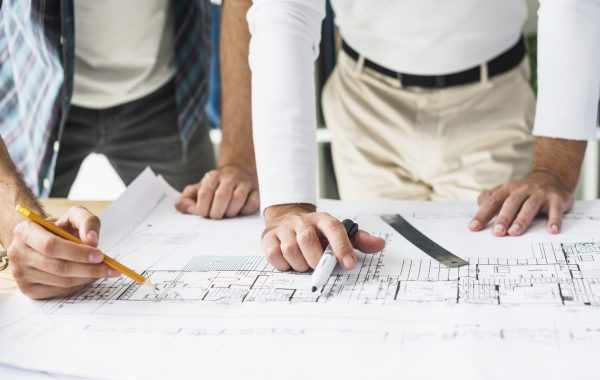



Dartford Wilmington Building Regulations: What Every Property Owner Must Know

Navigating building regulations in Dartford Wilmington can feel overwhelming for property owners, builders, and developers. Compliance ensures safety, prevents legal complications, and protects your investment. These regulations apply to new constructions, renovations, extensions, and even some landscaping projects. Ignoring them can result in fines, work stoppages, or costly modifications. This article focuses on the key aspects of Dartford Wilmington building regulations, offering practical guidance for anyone involved in property development.
Key Takeaways
- Dartford Wilmington building regulations focus on safety, energy efficiency, accessibility, and sustainability.
- Structural integrity, fire safety, electrical, plumbing, and accessibility are critical compliance areas.
- Approvals require detailed plans, inspections, and final certification.
- Avoid common mistakes like skipping permits, using unqualified contractors, or making unauthorized changes.
- Compliance enhances property value, safety, and long-term usability while preventing legal issues.
Overview of Dartford Wilmington Building Regulations
Dartford Wilmington enforces building regulations to maintain safety, energy efficiency, accessibility, and sustainability standards. These rules cover structural stability, fire safety, electrical systems, plumbing, insulation, and ventilation. Property owners and contractors must follow local standards while considering national building codes.
Local authorities in Dartford Wilmington actively monitor construction projects. They require approvals for most structural changes, including extensions, loft conversions, and new build projects. Even minor works, such as installing new windows or doors, may require compliance checks. Authorities conduct inspections at different stages to ensure adherence, and non-compliance can lead to enforcement notices or fines.
Builders and homeowners must submit detailed plans before starting work. This process allows inspectors to evaluate whether the design meets safety and environmental requirements. Planning permission alone does not replace building regulation compliance; both are often necessary.
Key Areas of Compliance
Property owners should focus on several critical areas to meet Dartford Wilmington building regulations:
1. Structural Safety
Ensuring structural integrity remains the top priority. Foundations, beams, and load-bearing walls must follow approved construction standards. Engineers and architects often provide calculations and plans to demonstrate stability under normal and extreme conditions.
2. Fire Safety
Regulations mandate fire-resistant materials, proper escape routes, smoke alarms, and emergency lighting in some cases. Residential and commercial buildings must meet specific fire protection standards. Compliance reduces the risk of property damage, injury, or fatalities.
3. Energy Efficiency
Energy performance requirements target insulation, heating, and ventilation. Installing efficient windows, doors, and insulation helps meet these standards. Buildings must achieve minimum energy ratings, which can also lower utility bills.
4. Electrical and Plumbing Systems
Electrical wiring, outlets, and lighting must follow national safety codes and local regulations. Qualified electricians must complete installations and provide certification. Similarly, plumbing systems should prevent leaks, contamination, and water wastage. Inspectors verify both systems during and after installation.
5. Accessibility
Building regulations emphasize accessibility for all individuals. This includes ramps, door widths, bathroom facilities, and safe access points. Commercial spaces often have stricter requirements, but residential homes also need basic accessibility features.
6. Extensions and Alterations
Even small extensions require compliance with structural, fire, and energy regulations. Loft conversions, garage conversions, and conservatories often need detailed drawings and approvals. Failure to comply may lead to orders to remove or redo work.
7. Environmental Considerations
Dartford Wilmington encourages sustainable construction. Regulations may cover water management, drainage, and pollution prevention. Green building practices, such as rainwater harvesting and energy-efficient heating, can improve compliance scores.
Permit and Approval Process
Property owners must follow a defined process to meet building regulations.
-
Plan Submission: Submit detailed architectural drawings, structural calculations, and specifications to the local authority. Include electrical, plumbing, and fire safety plans.
-
Initial Review: Inspectors review the documents to ensure all standards are addressed. They may request modifications or clarifications.
-
Approval: Once plans meet regulations, authorities issue a building notice or approval notice. This allows construction to start legally.
-
Inspections During Construction: Authorities conduct staged inspections for foundations, framing, insulation, and final completion. Any deviations must be corrected before proceeding.
-
Final Certification: Upon completion, inspectors issue a completion certificate. This confirms compliance with Dartford Wilmington regulations and protects property value.
Following this process prevents costly delays and ensures legal protection. Property owners often hire experienced builders or consultants to guide them through every stage.
Common Mistakes to Avoid
Even experienced builders occasionally make mistakes that compromise compliance. Avoid these common errors:
- Skipping Approvals: Starting work without submission or permits often results in fines or stop-work orders.
- Ignoring Updates: Regulations evolve, and outdated practices can lead to violations. Stay current with local authority announcements.
- Poor Documentation: Incomplete or inaccurate plans delay approvals and inspections. Ensure every drawing, calculation, and certificate is thorough.
- Unauthorized Changes: Making on-site alterations without notifying inspectors can nullify approvals and lead to additional work.
- Using Unqualified Contractors: Non-certified electricians, plumbers, or structural engineers may fail inspections, resulting in rework or penalties.
Impact on Property Development and Renovation
Compliance with Dartford Wilmington building regulations improves safety, functionality, and market value. Buildings that meet standards reduce insurance risks and attract buyers or tenants. Renovations or extensions that follow regulations prevent future legal challenges and structural issues.
Property developers who prioritize compliance also save time and money by avoiding repeated inspections or legal disputes. On the other hand, ignoring regulations can lead to significant financial losses, project delays, and reputational damage.
Homeowners benefit from regulations by improving comfort, energy efficiency, and overall safety. Fire safety, structural stability, and accessible design protect families and enhance long-term usability.
Local authorities support compliant projects by offering guidance, pre-application advice, and inspection services. Studio 20 Architects works closely with local authorities to guide clients through every stage, making compliance straightforward and stress-free.
FAQs
Do I need building regulation approval for minor home improvements in Dartford Wilmington?
Yes. Even small projects like window replacements, loft conversions, or structural alterations often require approval. Always check with local authorities before starting work.
How long does the approval process take?
The duration varies depending on project size, complexity, and local authority workload. Simple projects may take a few weeks, while larger developments could take several months.
Can I start construction before getting approval?
No. Starting work without approval may lead to fines, stop-work orders, or orders to remove work. Always secure permits before beginning construction.
Who can submit plans for building regulation approval?
Property owners, architects, or qualified contractors can submit plans. Larger projects often require structural engineers or certified consultants to provide supporting calculations.
What happens if my property fails inspection?
Authorities will issue a notice detailing required corrections. You must address issues before proceeding. Failure to comply may result in fines, project delays, or legal action.