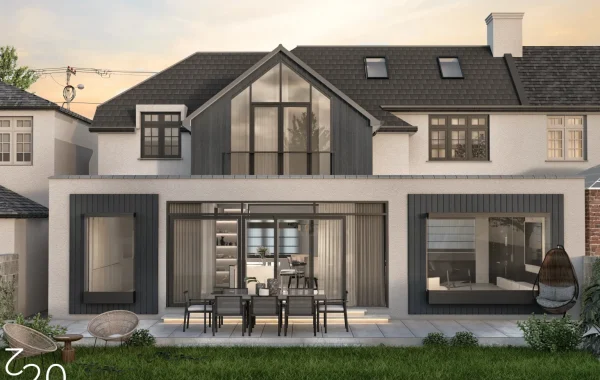



Dartford Wilmington Flat Conversion: A Smart Way to Add Space, Value, and Comfort

Homeowners and property investors across Dartford and Wilmington continue to look for ways to raise property value and create extra living space without moving. Among the most effective options, flat conversions stand out. Whether you own a large house that can form several units or you plan to adjust an existing flat to suit new needs, this type of project offers strong long-term gains.
In Dartford and Wilmington, demand for smaller, well-planned homes continues to rise. Young professionals, growing families, and downsizers all look for modern, energy-efficient, low-maintenance units near transport links and local facilities. This trend creates a strong opportunity for property owners who want to maximise the potential of their buildings.
Below, you’ll find a full breakdown of how flat conversions work, the benefits they bring, what to consider before starting, and why the Dartford–Wilmington area provides such a promising setting for this type of project.
Key Takeaways
- Flat conversions in Dartford and Wilmington can raise property value and generate steady rental income.
- Good planning, strong design work, and early checks of local rules help keep the project on track.
- Demand for compact, modern units remains high due to strong transport links and local facilities.
- A well-led build can create bright, energy-efficient rooms that appeal to long-term tenants or buyers.
- Working with skilled builders and planning consultants helps avoid delays and maximise space.
Rising Demand for Quality Flats in Dartford and Wilmington
The Dartford area has seen steady growth in recent years. Fast links into London, new business sites, and renewed town-centre investment make it a popular location for buyers and renters alike. Wilmington adds a quieter village-style setting while still offering quick access to main roads and rail links.
This mix of convenience and comfort creates a strong market for well-planned flats. Many residents want modern layouts, efficient heating systems, bright rooms, and private outdoor corners such as balconies or small terraces. Flat conversions that supply these features fill a strong gap in the local housing stock.
Why Flat Conversions Work Well for Property Owners
A flat conversion can turn unused or oversized space into income-producing units. Many houses in Dartford and Wilmington have generous floor areas, lofts, or side plots that suit re-planning. Turning a large home into two or more self-contained flats can deliver:
1. Higher Property Value
A building with multiple units often commands a higher total value than the same property left as one large home. Multiple units also appeal to investors who want long-term rental income.
2. Strong Rental Prospects
Young workers, couples, and small families form a steady tenant base in the area. Flats with modern layouts, efficient heating, and good insulation rarely stay empty for long.
3. Lower Maintenance Costs for Residents
Smaller units mean lower utility bills. Owners who plan their conversion well can include energy-saving lighting, quality insulation, efficient heating systems, and modern ventilation setups.
4. Flexibility for Homeowners
Some owners choose to live in one unit and rent the other. This setup reduces mortgage pressure and creates extra financial security.
Key Planning Points Before You Begin
Flat conversions offer strong potential, but they need careful early planning. Dartford Borough Council and Kent County Council have specific rules regarding parking, access, fire safety, drainage, and waste storage. Planning officers also review whether the building sits in a protected area or whether the proposed layout fits the character of the street.
Here are important steps to take early:
1. Assess the Building Structure
You must check whether the building can support new floors, partition walls, plumbing routes, and soundproofing layers. A structural engineer can give clear advice on load-bearing walls, joists, beams, and any reinforcement that may be required.
2. Check Planning Requirements
Some conversions fall under permitted development, while others require full planning consent. The scale of the change, impact on neighbours, and parking provision all influence the decision. Early checks avoid costly redesigns later.
3. Review Fire Safety and Access
Flats must meet strict fire safety rules. This can include fire doors, protected stairways, smoke alarms, sprinkler systems, and clear escape routes. Good access for residents and emergency teams must also be part of the plan.
4. Address Soundproofing
Noise control between units is vital. Strong acoustic insulation in walls, ceilings, and floors improves comfort and makes the building more attractive to potential tenants or buyers.
5. Plan Services, Heating, and Ventilation
Each unit needs its own plumbing routes, electrical circuits, heating controls, and ventilation systems. Early mapping of these elements helps avoid disruption once building work begins.
Design Ideas That Work Well for Dartford and Wilmington Properties
Good design can turn even compact spaces into warm, functional homes. The goal is to produce rooms that feel open, bright, and practical. Below are ideas that suit many local properties:
Open Living Areas
Removing unnecessary walls and adjusting the layout can create light-filled living rooms with linked kitchen and dining zones. This type of space suits modern living and appeals to both renters and buyers.
Smart Storage Solutions
Built-in cupboards, alcove shelves, raised beds with storage, and hidden utility spaces help keep rooms tidy without eating into floor space.
Energy-Efficient Fixtures
LED lighting, modern boilers or heat pumps, and well-insulated walls reduce running costs. This boosts rental appeal and adds long-term value.
Loft and Rear Extensions
For homes with lofts or large rear plots, extending upward or outward before converting can enlarge the property further. You gain extra units or bigger room sizes, improving your rental or resale potential.
Modern Bathrooms and Kitchens
Sleek fixtures, easy-clean tiles, and efficient appliances help each flat feel fresh and current. Compact but thoughtful layouts give residents both comfort and practicality.
Benefits for the Local Community
Flat conversions do more than support property owners. They also support the wider Dartford–Wilmington community by:
- Adding more housing options without building large new estates
- Bringing older buildings back into strong condition
- Reducing pressure on land and green spaces
- Encouraging local spending in shops, cafés, and service businesses
With careful planning and good design, converted flats blend into the area’s character and support long-term neighbourhood growth. Projects led by Studio 20 Architects contribute to these positive changes.
Common Challenges and How to Overcome Them
While flat conversions bring strong rewards, they also present challenges that property owners must manage. Here are common issues with ways to handle them:
1. Space Constraints
Some buildings may have odd layouts or limited natural light. Thoughtful design, smart lighting choices, skylights, and well-positioned windows can make interiors feel far brighter and larger.
2. Parking Pressure
Local rules may require a certain number of parking spaces per unit. Creative solutions include shared driveways, reworking front gardens into parking spaces, or using permeable surfaces to keep drainage efficient.
3. Noise Transfer Between Units
Strong acoustic insulation, floating floors, thicker plasterboard layers, and solid internal doors all help reduce sound transfer.
4. Service Routing
Fitting new plumbing and electrical circuits into older buildings can be tricky. Skilled tradespeople plan routes that minimise structural disturbance.
5. Budget Management
Building work can reveal hidden issues such as outdated wiring or damp. Allowing a sensible contingency fund protects the project from delays and cost overruns.
Why Dartford and Wilmington Are Ideal for Flat Conversions
Several factors make this area a prime location for conversion projects:
Strong Transport Links
Fast trains run from Dartford into central London. Wilmington offers quick access to the A2 and M25. Many tenants choose the area because of easy commuting.
Good Local Schools
Families and young couples prioritise access to strong education options. This boosts demand for modern, affordable flats.
Mixed Housing Stock
The area includes large detached and semi-detached homes, many of which can form multiple flats without major external changes.
Local Regeneration
Projects underway in and around Dartford town centre attract new businesses, creating demand for housing close to work.
Green Spaces
Parks, walking routes, and outdoor areas draw residents who want a mix of urban and suburban living. Converted flats that provide balconies or small gardens fit this lifestyle.
How Professional Builders Add Value to a Flat Conversion
Choosing the right contractor can make or break your project. Skilled builders bring:
Accurate Planning and Clear Timelines
Professionals map out each stage, giving you regular updates and keeping the build on track.
High-Quality Finishes
Good craftsmanship adds lasting value. Smooth plastering, tidy pipework, safe wiring, and solid flooring make each flat look and feel refined.
Advice on Layout Improvements
Experienced builders often spot chances to add natural light, widen entrances, adjust room sizes, or create extra storage.
Careful Compliance with Local Rules
Experts know Dartford and Wilmington’s building and planning standards, helping avoid penalties or delays.
Efficient Build Management
A well-run project stays safer, cleaner, and more organised from start to finish.
Final Thoughts
A flat conversion in Dartford or Wilmington can turn unused space into a strong long-term asset. With the region’s rising housing demand and continuing growth, property owners who take the time to plan well and work with experienced teams often see excellent returns. Whether you aim to rent the units or sell them on, a well-executed conversion brings comfort, practicality, value, and lasting appeal.
Frequently Asked Questions
Do I always need planning permission for a flat conversion?
Not always. Some projects fall under permitted development. However, many conversions require full approval, especially when you create multiple units or change the building’s exterior.
How long does a typical flat conversion take?
Most projects take between 10 and 20 weeks, depending on size, complexity, and any structural changes. Larger or multi-unit builds may take longer.
Will the conversion disrupt neighbours?
There will be some noise and activity, but good project management and clear communication help reduce disruption.
How many flats can I create from a house?
This depends on the building’s size, layout, and local rules on space standards, parking, and access. A planning consultant or architect can give a clear assessment early on.
Will the conversion increase my property’s value?
Well-planned and well-built flats usually raise total property value and can generate steady rental income for many years.