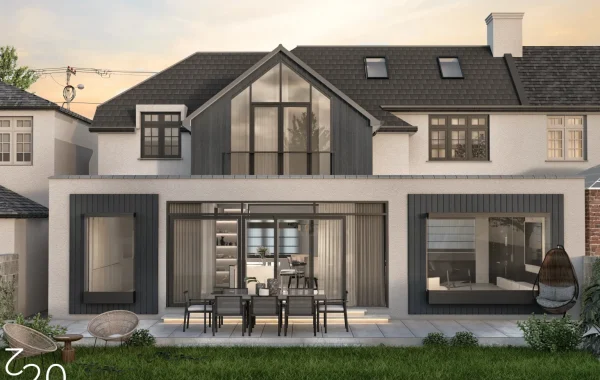




Homeowners in Dartford Wilmington know that creating extra space can dramatically improve comfort, functionality, and property value. House extensions offer a practical solution, turning cramped areas into vibrant living spaces that suit modern lifestyles. Whether you need a larger kitchen, an additional bedroom, or a sun-filled lounge, extending your home can reshape your daily life.
Key Takeaways
- House extensions in Dartford Wilmington provide extra space, improved comfort, and higher property value.
- Planning and design are essential for a functional, stylish result.
- Choose experienced professionals to ensure compliance with regulations and quality construction.
- Efficient layouts, natural light, and energy-saving features maximize benefits.
- Proper budgeting and communication prevent delays and costly errors.
Why House Extensions Make Sense
Many homeowners hesitate to extend because they think moving is easier. However, house extensions provide a tailored option that meets your exact needs. Moving often involves significant stress, relocation costs, and uncertainty about the new neighborhood. By contrast, extending your current home allows you to stay in a familiar environment while enhancing its value.
Extensions also improve natural light and circulation. Adding larger windows or extending walls into your garden can create open, airy spaces. Modern designs blend functionality with style, giving every room a purpose while making your home feel bigger and brighter.
Planning Your Dartford Wilmington Extension
A successful extension starts with planning. Begin by defining your goals. Do you need an extra bedroom for a growing family, or a home office to accommodate remote work? Consider how the new space will integrate with existing rooms. For instance, extending your kitchen might include an open-plan dining area, creating a social hub for family and guests.
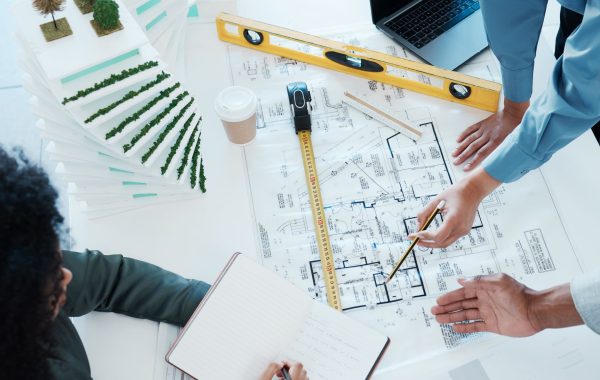
Next, check local building regulations and planning permissions. Dartford Wilmington falls under specific zoning rules that govern house extensions. Hiring a professional architect or designer can ensure your plans comply with regulations while maximizing space and design potential.
Types of Extensions
Single-Storey Extensions
Single-storey extensions work well for creating larger kitchens, lounges, or utility areas. They often require fewer permits and offer faster construction times. Homeowners frequently opt for this style when they want extra space without major structural changes.
Double-Storey Extensions
Double-storey extensions add significant value and space, allowing for additional bedrooms, bathrooms, or office areas. While more complex, this option provides long-term benefits, especially for growing families.
Wrap-Around Extensions
Wrap-around extensions combine side and rear extensions, offering a substantial increase in living space. This type can transform the layout of your home, connecting rooms in an open, functional flow.
Conservatory and Sunroom Extensions
Conservatories and sunrooms bring the outdoors inside, creating light-filled areas perfect for relaxation or entertaining. They often act as transitional spaces between your home and garden.
Design Considerations
When planning a house extension, focus on style, materials, and functionality. Matching the design to your existing home ensures the new area feels natural, not tacked-on. Modern extensions use energy-efficient materials, large windows, and smart layouts to enhance comfort while reducing energy costs.
Think about how you will use the space daily. An extended kitchen should have ample storage, work surfaces, and seating areas. A new lounge might benefit from larger windows or sliding doors to connect with the garden. Design your extension to serve practical purposes while improving your home’s aesthetic appeal.
Hiring Professionals
Hiring skilled builders and architects ensures quality construction. Look for teams with experience in Dartford Wilmington extensions. Studio 20 Architects brings expertise in local requirements and construction techniques, ensuring your project runs smoothly.
A good contractor will communicate clearly throughout the project, manage timelines, and handle unforeseen issues. Partnering with Studio 20 Architects prevents delays, costly errors, and frustration during construction.
Cost of Extensions
House extension costs vary based on size, design, materials, and labour. Single-storey extensions generally cost less than double-storey projects, but both provide long-term value. Investing in quality materials and workmanship reduces maintenance costs and enhances durability.
Consider potential additional expenses, including permits, landscaping, and interior finishes. Planning a realistic budget from the start helps prevent surprises and ensures the project stays on track.
Maximizing Space Efficiency
Efficient design makes every square meter count. Built-in storage, open-plan layouts, and multifunctional furniture help maximize usable space. Consider how natural light enters the room, as well-lit areas feel larger and more inviting.
Sliding doors, folding partitions, and clever shelving can make a significant difference in compact areas. By combining smart design with functionality, your extension becomes more than just extra space—it becomes a practical asset.
Energy Efficiency and Sustainability
Modern house extensions in Dartford Wilmington often focus on sustainability. High-performance insulation, energy-efficient windows, and solar panels reduce energy consumption and costs. Green design elements also contribute to environmental responsibility while enhancing property value.
Additionally, proper ventilation and natural lighting improve indoor air quality and comfort. Choosing eco-friendly materials can lower your carbon footprint and create a healthier home environment for your family.
Enhancing Property Value
A well-designed extension significantly increases property value. Buyers often pay a premium for homes with extra bedrooms, modern kitchens, or open-plan living areas. Even a modest single-storey extension can yield a substantial return on investment if done correctly.
Extensions also make your home more attractive to future buyers. A thoughtful layout, stylish finishes, and functional spaces appeal to families, professionals, and anyone looking for a comfortable, adaptable home.
Tips for a Smooth Extension Process
- Start Early: Begin planning months in advance to account for permits, design, and contractor availability.
- Prioritize Needs: Focus on areas that add value and improve your lifestyle.
- Set a Budget: Include contingency funds for unexpected costs.
- Communicate Clearly: Maintain regular contact with contractors to track progress.
- Think Long-Term: Plan spaces that adapt to future needs, such as additional rooms or home offices.
Common Mistakes to Avoid
- Ignoring planning permissions, which can lead to fines or demolition orders.
- Choosing contractors based solely on price, sacrificing quality and durability.
- Overlooking storage solutions, leaving rooms functional but cluttered.
- Underestimating timelines, causing stress and delays.
- Failing to consider natural light and ventilation, which affects comfort and energy efficiency.
FAQs
Do I need planning permission for a house extension in Dartford Wilmington?
Yes, most extensions require planning permission, though some minor projects may qualify as permitted development. Always check with the local council.
How long does a typical house extension take?
Construction time depends on the size and complexity. Single-storey extensions usually take 8–12 weeks, while double-storey or wrap-around projects can take several months.
Can I live in my home during the extension?
In most cases, yes. However, large projects may temporarily disrupt certain areas, so plan for alternate arrangements if necessary.
How much does a house extension cost in Dartford Wilmington?
Costs vary based on size, design, and materials. Single-storey extensions typically start around £20,000–£40,000, while double-storey projects can exceed £60,000. Professional quotes provide more accurate estimates.
How can I make my extension energy-efficient?
Use high-performance insulation, double-glazed windows, and energy-efficient lighting. Consider sustainable materials and solar panels to reduce energy consumption and lower bills.