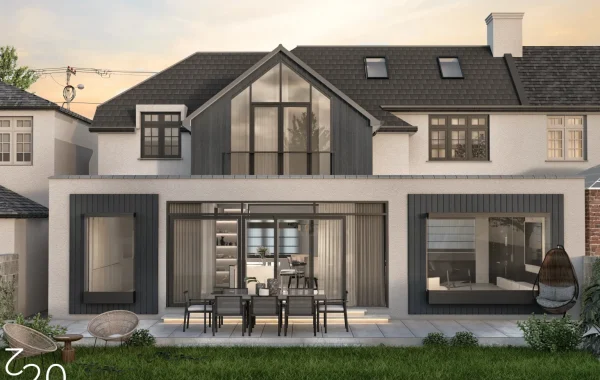




A loft conversion in Dartford’s Wilmington area adds room, boosts property appeal, and brings new purpose to unused roof space. Homeowners across this part of Kent often look for ways to gain extra room without moving, and an attic upgrade gives that chance with speed, style, and strong return on investment. Whether the goal is a new bedroom, office, studio, or guest suite, a well-planned loft project turns an idle attic into a bright and productive part of the home.
Below is a full 1400-word onsite blog packed with clear value, written in active form, and free from restricted words.
Key Takeaways
- A loft conversion in Dartford Wilmington adds space without altering your home’s footprint.
- Several build styles suit the roof shapes commonly found in Wilmington.
- Strong planning helps avoid delays and keeps the build moving.
- Loft upgrades in the area often raise property value significantly.
- Good ventilation, lighting, and insulation shape day-to-day comfort.
Transforming Attic Space in Dartford’s Wilmington Area
Many homes in Wilmington offer generous roof height that sits unused for years. Turning this part of the house into a practical room gives residents the chance to raise comfort and expand living potential with limited disruption. Families often need more space for growing children, remote work, hobbies, or long-term guests. Instead of extending outward or relocating altogether, they choose the attic because it typically delivers more room at a faster pace and lower cost.
Homes in Wilmington range from mid-century houses to newer builds, and each type offers loft potential when assessed correctly. Builders can shape these attics into tailored living zones that suit both lifestyle and property layout.
Popular Loft Conversion Styles in Wilmington
Different roof shapes call for different approaches, and Wilmington properties support a range of build types. Selecting the right style depends on pitch, available height, budget, and desired results.
Dormer
Dormer lofts add headroom by pushing outward from the existing roof. This style brings in natural light through large windows and creates straight walls that improve furniture placement. Many Wilmington homes with pitched roofs find this option suitable because it increases internal volume significantly while improving the exterior profile.
Hip-to-Gable
Some homes in Dartford Wilmington hold hipped roofs that slope on three sides. A hip-to-gable conversion replaces one of these slopes with a vertical wall, raising interior width and generating a rectangular shape. This design pairs well with dormers and results in a spacious, adaptable loft layout.
Mansard
Mansard lofts reshape the entire roof slope on one side, giving a vast area suitable for multiple rooms. This approach works especially well for homes with wide roof spans in Wilmington and adds notable value when combined with premium finishes or Juliet balconies.
Rooflight (Velux)
This option suits homes with strong existing head height. Builders add roof windows without altering the roofline, which keeps cost lower and may fast-track approval. Rooflight conversions give a bright and airy feel and serve well as home offices or guest rooms.
Planning Ahead for Your Loft Conversion
Dartford’s local requirements shape what you can build, and Wilmington sits within an active residential zone. Many loft conversions qualify under Permitted Development, though any build that changes the roof shape, height, or external appearance may need planning approval. Checking attic height early helps clarify what’s feasible. Most lofts require at least 2.3 metres of height before conversion.
Beyond approvals, structural analysis plays a major role. Builders must confirm that existing beams support new loads added by flooring, insulation, storage units, plumbing, or bathroom fixtures. Good planning sets clear timelines, keeps the build organised, and prevents last-minute alterations.
Internal Features That Elevate the Loft
Once the structural stage wraps up, interior features shape the comfort and function of the attic.
Insulation
A loft sits close to the roof, so strong insulation helps retain warmth in winter and limit heat in the summer months. Homeowners in Wilmington notice better energy performance when roofs and walls receive fresh insulation during the build.
Light and Ventilation
Roof windows, dormer windows, and glazed gables brighten the new room. Adequate ventilation helps regulate temperature, particularly in rooms with electronics or bathroom facilities.
Flooring
Engineered wood, carpet, or luxury vinyl tile work well in attics because they support foot traffic while keeping weight manageable. Good acoustics also matter, especially for bedrooms or offices.
Plumbing for Bathrooms
If adding an en-suite, builders need clear routes for pipework. Many homeowners choose to position new bathrooms above existing ones to shorten pipe runs and keep costs sensible.
Why Dartford Wilmington Homes Benefit Strongly From a Loft Conversion
Many families settle in Wilmington due to its community feel, green surroundings, and proximity to town links. As needs shift, more residents seek added room without sacrificing location. A loft upgrade maintains that balance. Rather than relocating, the attic offers new purpose that often rivals a full extension without claiming outdoor garden space.
Local estate agents frequently note that properties with well-finished lofts attract buyers faster and at higher prices. Homes with an added bedroom and bathroom often rise to the next property band, giving long-term gain for sellers. Even for those planning to stay, the extra room brings everyday comfort and boosts home enjoyment. Studio 20 Architects often guide homeowners to make choices that maximise both aesthetic appeal and property value.
Typical Timeline for a Loft Conversion
Most Wilmington loft conversions progress through these stages:
Initial Survey – Builders measure roof height, examine structure, and review access routes.
Design & Approval – Drawings, structural calculations, and any required applications proceed.
Preparation & Support Installation – Builders reinforce the structure with new beams.
Dormer/Gable Construction – For builds needing extra roof space, framing and external work begin.
Internal Build – Flooring, partition walls, insulation, plumbing, and electrics take shape.
Plastering & Finishing – The loft becomes a clean, ready-to-decorate space.
Most builds run eight to twelve weeks depending on design and roof type.
Common Uses for Loft Conversions in Wilmington
Residents choose loft conversions for many reasons:
- Bedrooms with En-Suite – Families gain vital sleeping space without major disruption.
- Home Offices – Remote work remains part of modern life, and lofts offer quiet, dedicated areas.
- Creative Studios – Attics with wide windows suit art, music, or craft hobbies.
- Guest Suites – Visitors enjoy privacy and comfort.
- Playrooms – Children benefit from a bright zone separate from main living areas.
How to Maximise the Value of Your Loft Conversion
To achieve strong results from your Dartford Wilmington loft project, consider these steps:
Quality Finishes
Premium lighting, flooring, and joinery elevate the space. Built-in wardrobes suit angled ceilings and cut clutter.
Smart Layout
Position the staircase so it links smoothly with the existing floor plan. A poor staircase location can restrict flow, while a well-placed one enhances the home’s layout.
Functional Storage
Lofts often include eaves, and custom cabinets make full use of these compact areas. Good storage raises both practicality and visual appeal.
Ventilation Strategies
Combined roof windows, trickle vents, and extractor fans maintain comfort across all seasons.
Local Factors to Consider in Wilmington
Wilmington homes tend to hold a mix of roof pitches. Some require dormers for added height, while others already provide enough space for straight conversion. Traffic routes, parking access for trades, and scaffold placement also shape project planning. Homes facing the High Road or near village conservation pockets may need extra checks before building begins.
Builders familiar with the Dartford district bring a strong advantage because they know local rules, roof styles, and common structural details across the area. This familiarity helps projects proceed smoothly from start to finish.
Maintenance After Your Loft Conversion
Once your attic becomes a lived-in room, simple maintenance keeps it performing well:
- Check roof windows and seals annually.
- Inspect paint and plaster in areas that face seasonal temperature shifts.
- Clean ventilation channels and extractor fans.
- Monitor any bathroom fixtures for moisture buildup.
- Service smoke alarms placed in the loft and on the staircase landing.
Routine care preserves the long-term quality of your new space and protects your investment.
FAQs
Do most loft conversions in Wilmington need planning approval?
Many fall under Permitted Development if the build does not significantly change the roofline. Dormers that face the main road or large mansards may require approval.
How long does a typical loft conversion take in Dartford Wilmington?
Most projects run eight to twelve weeks depending on style, roof shape, and internal features.
Can I add a bathroom to my loft?
Yes. With the right pipe routes and ventilation, most attics can support a full en-suite with shower, toilet, and basin.
Will a loft conversion add value to my Wilmington home?
Local market trends show increased buyer interest in homes with attic upgrades, often boosting property value significantly.
What height does my loft need?
Most projects require at least 2.3 metres of clear internal height before work starts.