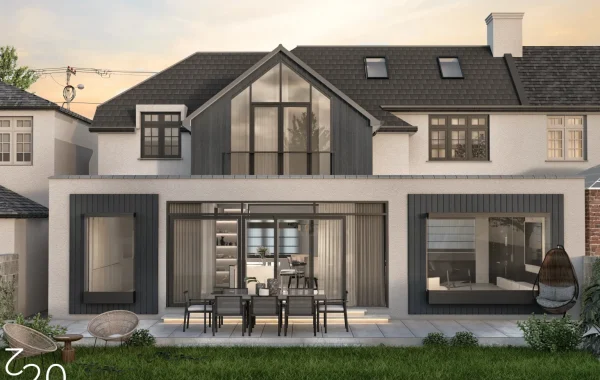




A wrap-around extension transforms your home by adding space, light, and value. In Dartford Wilmington, homeowners increasingly choose this type of extension because it maximises both interior space and external garden area. Unlike a traditional rear extension, a wrap-around extension covers two sides of the property, typically extending along the rear and one side. This approach creates a spacious layout while maintaining a balanced exterior design.
Key Takeaways
- Wrap-around extensions increase living space by extending along two sides of the property.
- They improve natural light, flow, and overall home value.
- Planning and design should complement the existing property while meeting local regulations.
- Construction involves foundations, structural work, internal finishes, and landscaping.
- Popular uses include larger kitchens, open-plan living areas, home offices, and entertainment spaces.
- Budgeting carefully and hiring an experienced builder ensures a successful project.
- Energy efficiency and sustainability improve long-term comfort and reduce running costs.
Benefits of a Wrap-around Extension
A wrap-around extension delivers more than just additional square footage. By extending along two walls, it provides a natural flow between indoor and outdoor spaces. Homeowners in Dartford Wilmington often use this layout to enlarge kitchens, add open-plan living areas, or create multifunctional rooms.
Light enters the home from multiple directions due to the extended perimeter, making rooms feel brighter and more welcoming. Adding larger windows or bi-fold doors further enhances natural illumination. The result is a living space that feels both airy and connected to the garden.
Additionally, this type of extension improves property value. Real estate in Dartford Wilmington rewards homes with clever layouts and extra usable space. A well-designed wrap-around extension makes a house more attractive to future buyers, offering both aesthetic appeal and functional benefits.
Planning and Design Considerations
Planning is crucial for any wrap-around extension. Local council regulations in Dartford Wilmington may require planning permission, particularly for extensions that alter the roofline or cover a large portion of your garden. Engaging a qualified architect or extension specialist helps ensure your project meets all legal requirements while optimising design potential.
Design should focus on both internal flow and external appearance. Open-plan layouts often work well, connecting kitchens, dining areas, and living spaces. The extension should complement your existing property, using matching materials, rooflines, and finishes.
Energy efficiency should also be a priority. Installing high-performance insulation, double-glazed windows, and energy-efficient doors ensures the extension remains comfortable year-round while reducing running costs. Modern heating systems, such as underfloor heating, also improve comfort and efficiency.
Construction Process
The construction process for a wrap-around extension involves several stages. Initially, builders prepare the site, which includes clearing any obstacles and creating foundations suitable for the new structure. A solid foundation prevents future issues such as cracking or uneven floors.
Next, walls, roofing, and windows are installed. Using lightweight, durable materials speeds up the build while ensuring structural integrity. Roof extensions are carefully integrated with the existing structure to maintain a consistent aesthetic.
Once the shell is complete, internal works begin. Electrical wiring, plumbing, and heating systems are installed before plastering and decorating. Skilled builders ensure that the new extension blends seamlessly with the existing property while meeting modern safety and energy standards.
Landscaping may also be part of the project. A wrap-around extension often reshapes garden space, requiring pathways, patios, or planting to match the new layout. These finishing touches enhance the visual appeal and usability of outdoor areas.
Popular Uses for Wrap-around Extensions
Homeowners in Dartford Wilmington use wrap-around extensions for various purposes. Many choose to enlarge kitchens, creating open-plan areas that serve as the heart of the home. A spacious kitchen-dining-living area allows families to cook, eat, and relax together without feeling cramped.
Others use the extra space for entertainment areas, home offices, or playrooms. The versatility of a wrap-around layout means it can adapt to changing family needs over time. Additional bedrooms or en-suite bathrooms can also be added without compromising the flow of the home.
Outdoor connections are another advantage. Bi-fold or sliding doors open onto patios or gardens, encouraging indoor-outdoor living. This connection is especially valuable in Dartford Wilmington, where residents often enjoy spending time in private gardens.
Cost Considerations
The cost of a wrap-around extension varies based on size, materials, and design complexity. In Dartford Wilmington, typical projects can range from mid-range budgets to premium builds, depending on finishes and structural requirements.
It is essential to plan finances carefully. Factor in not only construction costs but also planning applications, architectural designs, and potential landscaping. Building a realistic budget reduces surprises and keeps the project on track.
Investing in quality materials and skilled labour ensures the extension lasts for decades. Cutting corners may save money upfront but can lead to higher maintenance costs later. Many homeowners find that spending slightly more initially produces long-term savings and satisfaction.
Choosing the Right Builder
Selecting an experienced builder is crucial for a successful wrap-around extension. Look for contractors with a proven track record in Dartford Wilmington and strong customer references.
A reputable builder provides transparent quotes, clear timelines, and expert advice throughout the project. Communication is key—regular updates and progress checks help avoid misunderstandings and ensure the extension meets expectations.
Professional builders also help navigate planning permission and building regulations. Studio 20 Architects collaborates with builders to guarantee compliance with local standards while maintaining quality workmanship.
Enhancing Your Home’s Appeal
A wrap-around extension not only adds space but also modernises your home. Thoughtful design elements, such as large windows, high ceilings, and open-plan layouts, create a sense of luxury. Choosing complementary finishes and fixtures enhances the overall aesthetic, ensuring the new extension feels part of the original property.
Interior design can further maximise the benefits. Light colours, clever storage solutions, and consistent flooring create cohesion between old and new areas. Integrating technology, such as smart lighting or climate control, improves convenience and comfort.
Gardens and outdoor areas also benefit from the extension. Patios, decks, and landscaped spaces create seamless transitions from indoor to outdoor living. Many homeowners add seating areas, planters, or outdoor kitchens to make the garden a functional extension of the home.
Sustainability and Efficiency
Energy efficiency plays an important role in modern extensions. Using sustainable materials, efficient heating, and high-quality insulation reduces energy consumption and improves long-term comfort. Solar panels or energy-efficient lighting systems further enhance sustainability.
A well-designed wrap-around extension balances aesthetics, function, and environmental impact. By planning carefully and choosing eco-friendly solutions, homeowners in Dartford Wilmington can enjoy extra space without increasing their carbon footprint.
FAQs
How long does a wrap-around extension take to complete?
Most projects take between 12 to 24 weeks, depending on size, complexity, and weather conditions. Efficient planning and professional builders can shorten timelines without compromising quality.
Do I need planning permission for a wrap-around extension in Dartford Wilmington?
Planning permission may be required if the extension alters the roofline, increases height, or covers more than half of your garden. It is best to check with the local council or consult a builder experienced in local regulations.
Can I integrate a wrap-around extension with an open-plan design?
Yes. Wrap-around extensions are ideal for open-plan layouts, connecting kitchens, dining, and living spaces while creating a spacious, airy feel.
What are the main costs involved in a wrap-around extension?
Costs include design, planning applications, construction, materials, internal finishes, and landscaping. Prices vary based on size, materials, and complexity, so budgeting carefully is essential.
How do I choose the right builder for my extension?
Look for local builders with proven experience in wrap-around extensions. Check references, review past projects, and ensure they handle planning, construction, and regulations efficiently.