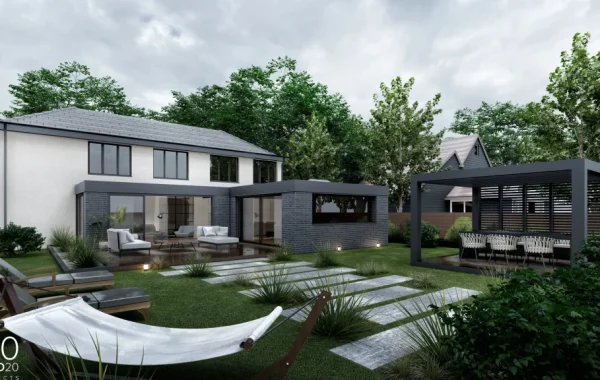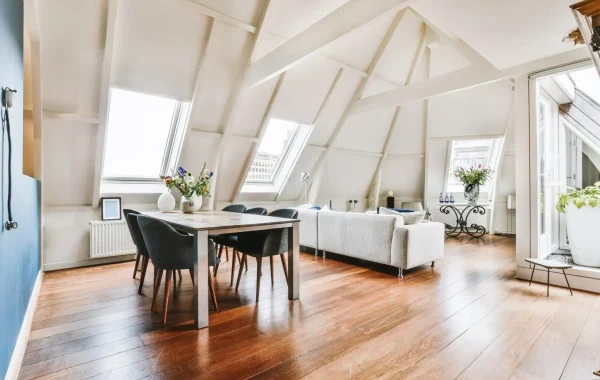


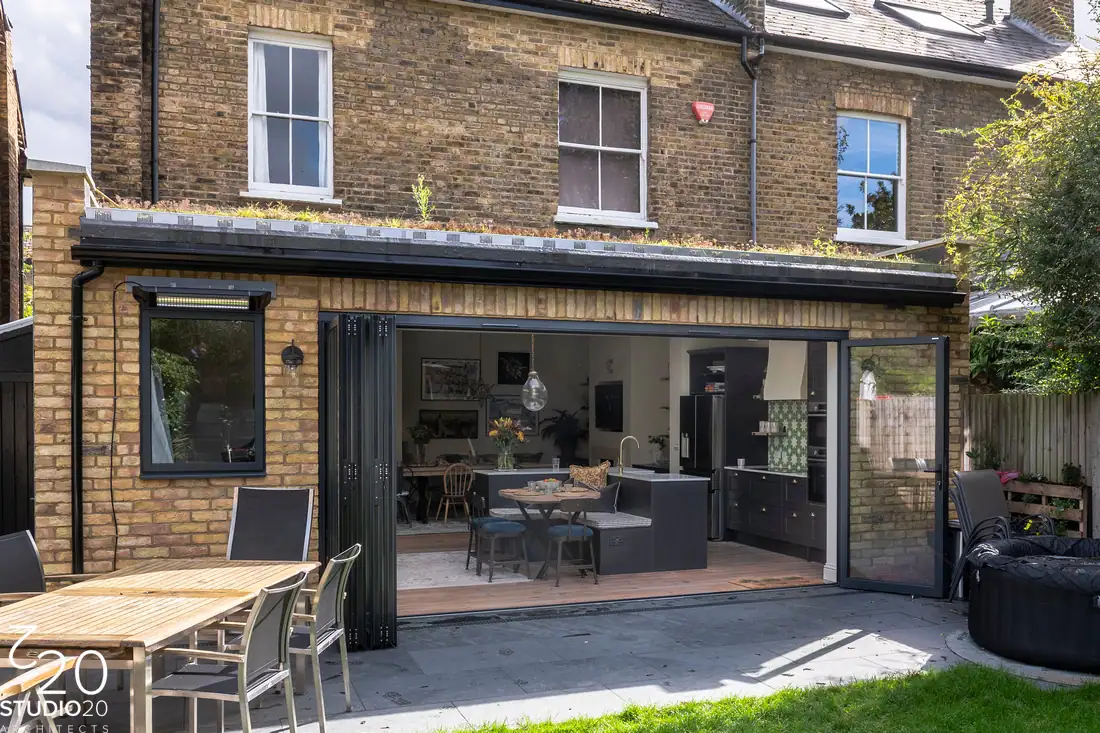

One of the best ways to make your home more comfortable and raise its value is to add on. Building a single-storey flat roof extension has become more popular in the UK because it looks modern, is cheap, and can be used in various ways.
“According to official advice from GOV.UK, many home projects like extensions can be done without needing special permission if they follow certain rules, but you still have to follow Building Regulations.”
A flat roof extension can completely change the way you live and make your home more useful if you plan, design, and hire professionals to help you.
Key Takeaways
- Adding a flat roof is a cost-effective way to get more living space.
- Planning ahead makes sure that everything goes according to plan and that the project is finished on time.
- Good design makes the most of light, space, and function.
- Hiring professionals lowers risks and makes things better.
- Not making common mistakes saves you time and money.
What Is a Single Storey Flat Roof Extension
Before you start your project, you need to know what a single storey flat roof extension is. It means adding a flat or low-pitched roof to the ground level of a home, usually on the back or side.
This type of extension is widely used for:
- Open-plan kitchens
- Dining areas
- Living rooms
- Home offices
It looks modern and has clean lines, so it works well in both modern and traditional homes.
Why Choose a Flat Roof Extension
Flat roof extensions have a number of benefits over pitched roof designs:
- Cost-effective construction
- Faster build times
- Contemporary aesthetic
- Easier integration with existing structures
- Opportunity for rooflights and skylights
These benefits make them a viable choice for homeowners who want to add space without having to make complicated changes to the structure.
Planning Your Extension Project
When building a single-storey flat roof extension, you need to plan ahead. A structured approach makes sure that your project goes smoothly from idea to completion.
Important steps are:
- Assessing your space and requirements
- Setting a realistic budget
- Consulting an architect
- Checking planning permission requirements
- Preparing technical drawings
- Obtaining Building Regulations approval
Planning ahead helps you avoid problems with delays, extra costs, and following the rules.
Design Ideas to Make the Most of Space
Homeowners can make spaces that are both useful and appealing to look at by looking into single-storey extension ideas.
Popular ideas include:
- Open-plan kitchen and dining areas
- Indoor-outdoor living with sliding doors
- Rooflights for natural daylight
- Minimalist modern interiors
- Multi-functional family spaces
Creative design makes sure that your extension adds to both its usefulness and its beauty.
How to Design a Functional Extension
To get the best results, it’s important to know how to design a single-storey flat roof extension. Architects try to find a balance between comfort, practicality, and looks.
Important design considerations:
- Natural light and ventilation
- Space flow and layout
- Ceiling height and proportions
- Insulation and energy efficiency
- Connection to existing rooms
A well-designed extension should feel like a natural continuation of your home.
Planning Permission and Regulations
You don’t need full planning permission for all extensions, but you should check to see if your project falls under permitted development rights.
All extensions, regardless of what their planning status is, must follow Building Regulations that cover:
- Structural stability
- Thermal performance
- Fire safety
- Drainage and ventilation
Working with professionals makes sure that your project meets all legal and technical standards.
Why Hiring an Architect Matters
Choosing to hire an architect for flat roof extension projects can make a big difference in the end result. Architects have both creative and technical skills.
They help by:
- Designing efficient layouts
- Navigating planning regulations
- Coordinating structural elements
- Avoiding costly mistakes
- Managing project stages
Their participation makes the process go more smoothly and the results better.
Avoid These Common Mistakes
Homeowners often encounter issues due to avoidable mistakes, such as:
- Poor space planning
- Inadequate natural lighting
- Ignoring insulation requirements
- Underestimating costs
- Lack of professional guidance
Avoiding these mistakes will make sure that your extension works and is useful for a long time.
Start Your Flat Roof Extension with Studio20 Architects
With professional design and flawless execution, you can change your home. Studio 20 Architects is an expert at designing modern, useful, and code-compliant extensions that are just right for you. From the initial concept to the final delivery, Studio20 Architects ensures meticulous care, creativity, and precision in your project. This helps you get the perfect living space.
FAQs
Do I need planning permission for a flat roof extension
A lot of projects can be built without permission, but the outcome depends on where they are and how big they are. Before you start building, always check with your local government to make sure you’re following the rules.
How long does it take to build a flat roof extension
Construction usually takes 8 to 12 weeks, but this can change based on how complicated the project is, the weather, and the design needs. Delays can be avoided with good planning and coordination.
Is a flat roof extension energy efficient
Yes, flat roof extensions can be very energy efficient and help lower heating costs if they are built correctly with the right materials and insulation.
What is the typical cost of a flat roof extension
The costs depend on the size, the materials, and where it is. To avoid unexpected costs, budget planning should include design, approvals, construction, and finishing.
Can I customise the design of my extension
Yes, you can customise extensions to fit your needs, whether you need open-plan living, extra rooms, or spaces that can be used for more than one thing.