


A single-story extension is one of the best ways to change a home. The right design can make your home look and work much better, whether you want more living space, better flow, or a stronger connection to your garden.
However, great design is not just about aesthetics. Successful extensions find a good balance between creativity and planning limits, structural logic, and long-term value. The best single-story extension ideas are those that fit in with the rest of the house and provide modern, flexible living space.
This guide gives you ten useful and creative ideas to help you get the most out of your extension project while avoiding common problems that can affect cost, approval, and build quality.
Key Takeaways
- Creative extensions find a balance between design goals and planning rules.
- Natural light is very important for single-story spaces to work well.
- Knowing the costs up front stops budget surprises
- Flexible layouts protect long term value
- Professional guidance improves approval and build outcomes
Why Planning Matters Before Design Creativity
Before choosing layouts or finishes, it is essential to understand what planning will allow.
“According to the UK Government’s planning data, householder applications account for over 40 percent of all planning submissions in England, with home extensions forming the largest share. Many refusals are linked to scale, neighbour impact, and policy non-compliance rather than build quality.”
This highlights why even the most creative single-storey extension ideas must be grounded in planning reality to succeed.
1. Open Plan Kitchen Living Spaces
One of the most common ways to design a home is to make a big open plan kitchen, dining room, and living room. Removing things that block your view lets more natural light into your home and makes it easier to use every day.
Careful planning of the structure makes sure that open spans stay safe and cost-effective, especially when adding big openings to the back.
2. Glass Extensions That Blur Indoor and Outdoor Living
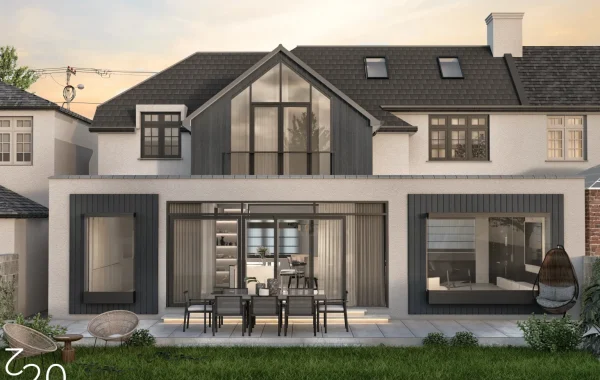
A glazed extension or partially glazed roof can transform how your home connects to the garden. Sliding doors and roof lights let in natural light without making the space feel too big.
These designs often feature among the most effective single-storey extension ideas when planning constraints limit overall size.
3. Side Return Extensions for Terraced Homes
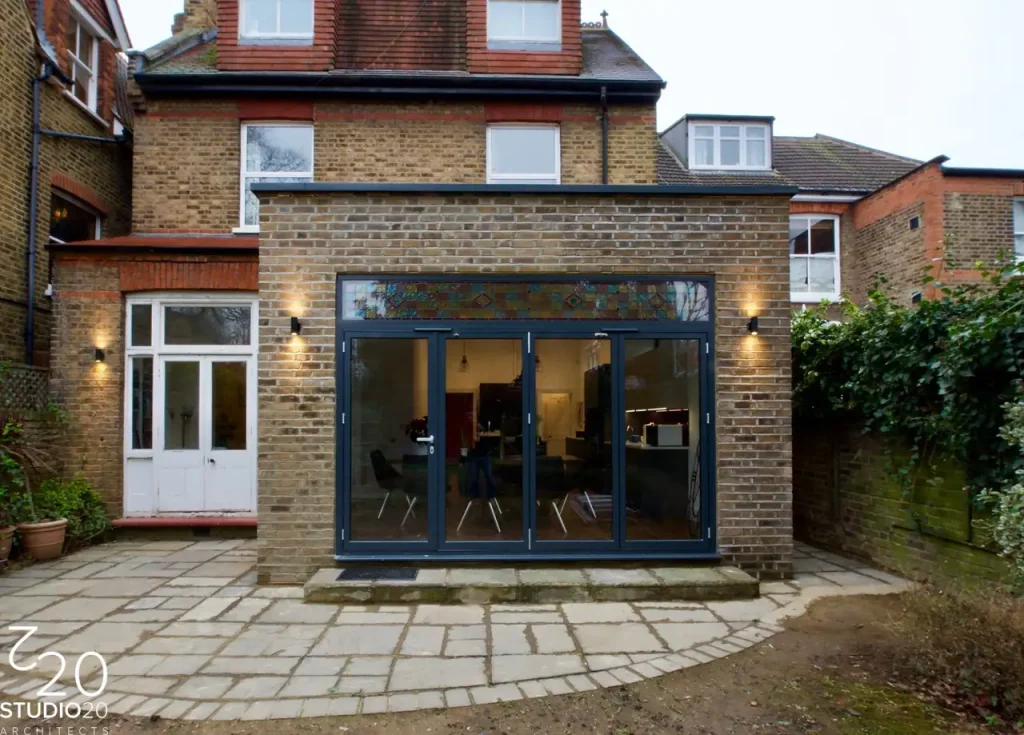
Side return extensions are great for older homes with narrow outside spaces. Homeowners can get more space inside their homes by filling in the unused side alley without having to worry too much about planning.
This method works best on homes from the Victorian and Edwardian eras.
4. Split-Level Floor Designs
Split-level extensions can make zoning without walls when the ground levels are different. Small changes in the height of the floor help define areas while keeping spaces open and flowing.
This solution makes the architecture more interesting without making it bigger.
5. Garden Focused Family Rooms
Building the extension around views of the garden is good for your health and will help you sell the house. Putting seating, dining areas, and windows facing green space makes the extension feel bigger and more peaceful.
This works particularly well for a single-storey house extension where depth is limited.
6. Hidden Storage Integrated Into the Design
Built-in seating, hidden cupboards, and wall storage all help keep large areas free of clutter. This is very useful in homes with families that need rooms that can be used for more than one thing.
Good storage design makes things easier to use without making the building bigger.
7. Minimalist Flat Roof Extensions
Flat roof extensions have clean lines and a modern look. They are often easier to plan than pitched alternatives and can easily include rooflights.
Their simplicity also helps control single-storey extension costs when designed efficiently.
8 Dining Extensions With Roof Lanterns
Roof lanterns are a great way to let in light without giving up privacy. They add height and drama to otherwise simple spaces when they are placed above dining areas or kitchens.
This is a cheap way to improve the design without making it bigger.
9 Extensions Designed for Future Flexibility
Extensions that are forward-thinking can change over time. Making spaces that can later be used as home offices, playrooms, or guest rooms makes sure they will be useful for a long time.
This strategic approach helps homeowners justify decisions when considering how much to build a single-storey extension.
10 Seamless Indoor Outdoor Thresholds
Flush thresholds between floors inside and patios make it easy to go outside. This detail makes it easier to get around and makes the extension feel bigger than it is.
Careful detailing makes sure that the thermal and weather performance are not affected.
Cost and Planning Considerations
Creative design must be supported by realistic budgeting. Homeowners often ask how much a single-storey extension costs, but the answer depends on size, structure, finishes, and location.
Understanding planning permission for a single-storey extension early allows designs to progress without costly redesigns. Clear professional guidance also helps manage expectations around single-storey extension costs and construction timelines.
Transform Your Home With Studio20 Architects
Not only are great extensions built, but they are also planned, designed, and delivered with care.
At Studio20 Architects, we are experts at planning residential extensions that are both creative and technically sound. We help you every step of the way, from the early stages of feasibility and design to getting planning permission and building support.
Let us help you turn your idea into a well-designed and ready-to-build extension, whether you’re still thinking about it or ready to move forward.
Get started on your single-story extension with Studio20 Architects today.
FAQs About Single Storey Extensions
Do all single-storey extensions need planning permission
Not always. Some projects fall under permitted development, but many properties require approval depending on size, location, and local planning restrictions.
How much does a single-storey extension cost in the UK
Costs vary by size, complexity, and finish. Accurate answers depend on early design and structural planning rather than rough averages.
How long does it take to design and build a single-storey extension
Design and planning typically take several months while construction usually lasts between ten and sixteen weeks, depending on the scope.
Can a single-storey extension add value to my home
Yes. Well-designed extensions that improve layout, light, and usability often increase both market value and long-term appeal.
Is it worth hiring an architect for a single-storey extension
Absolutely. Professional design improves planning success build quality, and overall value while reducing costly mistakes.