

Islington Tufnell Park Change of Use: Unlocking New Opportunities for Your Property

Property owners are increasingly looking for ways to maximise the potential of their buildings. Whether transforming a commercial unit into residential accommodation, converting a retail space into an office, or adapting an existing property for a different purpose, a Islington Tufnell Park Change of Use project can create exciting new opportunities.
Changing the use of a property is often about responding to shifting market demands, improving functionality, or making better use of underutilised space. However, these projects involve much more than simply altering how a building is occupied. Planning policies, building regulations, local authority requirements, and design considerations all play important roles in determining whether a proposal can move forward successfully.
Did You Know? Some change of use projects can significantly increase a property’s value without increasing its physical footprint. By adapting an existing building to a higher-demand use, owners may improve both rental potential and long-term market appeal.
At Studio20 Architects, we help homeowners, landlords, investors, and developers navigate change of use projects throughout Tufnell Park, creating practical design solutions that align with planning requirements and long-term property goals.
Key Takeaways
- Islington Tufnell Park Change of Use projects allow properties to be adapted for new purposes and market opportunities.
- Common conversions include commercial-to-residential, office-to-residential, retail adaptations, and mixed-use developments.
- Planning permission may be required depending on the proposed use and property location.
- Building regulations must often be satisfied when a building changes function.
- Good design helps maximise space, functionality, and property value.
- Early planning advice can help identify constraints and opportunities before work begins.
- Professional architectural support can simplify the approval and design process.
- Studio20 Architects assists clients with planning, design, and compliance for a wide range of change of use projects.
What Does Change of Use Mean?
Every property falls within a specific use classification. These classifications determine how a building can legally be occupied and operated. A change of use occurs when a property moves from one category to another.
Examples include:
- Retail unit to residential property
- Office to residential conversion
- Restaurant to retail use
- Commercial premises to mixed-use development
- Community facility to commercial use
Depending on the type of change proposed, planning permission may be required before work can begin.
Why Property Owners Consider Change of Use
There are many reasons why owners choose to change the use of a building.
Common motivations include:
- Increasing property value
- Responding to market demand
- Generating rental income
- Revitalising vacant buildings
- Creating housing opportunities
- Improving business flexibility
A carefully planned change of use project can transform an underperforming property into a valuable long-term asset.
Why Islington Tufnell Park Change of Use Projects Are Growing
Tufnell Park continues to evolve as residential and commercial needs change. Property owners are increasingly seeking ways to adapt buildings to modern requirements while making the best use of available space.
Several factors contribute to the growing interest in change of use projects:
- Demand for housing
- Changing retail patterns
- Flexible working trends
- Commercial property adaptation
- Investment opportunities
- Urban regeneration initiatives
As these trends continue, change of use projects remain an attractive option for many property owners.
Adapting Existing Buildings
Rather than constructing entirely new developments, many investors prefer adapting existing structures.
This approach can help:
- Reduce construction costs
- Preserve existing character
- Minimise waste
- Improve project efficiency
Repurposing buildings often allows owners to unlock new value while retaining important architectural features.
Common Types of Change of Use Projects
Different property types present different opportunities. The most suitable solution depends on location, planning policies, market demand, and building characteristics.
Commercial to Residential Conversions
One of the most common change of use projects involves converting commercial premises into residential accommodation.
Examples may include:
- Offices to flats
- Former retail units to apartments
- Vacant commercial spaces to residential dwellings
These projects can help meet housing demand while bringing underused properties back into active use.
Retail and Business Premises
Retail properties sometimes require adaptation as business needs evolve.
Potential changes may involve:
- Retail to office use
- Retail to hospitality use
- Retail to mixed-use schemes
The suitability of these changes often depends on local planning policies and surrounding land uses.
Mixed-Use Developments
Mixed-use schemes continue to gain popularity in urban locations. These developments combine multiple uses within a single property or site.
Examples include:
- Ground-floor retail with residential accommodation above
- Commercial space combined with office facilities
- Community facilities integrated with business uses
Mixed-use developments can create vibrant and flexible environments.
Planning Permission and Change of Use
Planning permission is often one of the most important aspects of a change of use project. Not every proposal requires a full planning application, but many do. The local authority will assess whether the proposed use is appropriate for the location and whether it aligns with planning policies.
Factors Considered by Planning Officers
When reviewing applications, planning officers may assess:
- Impact on neighbouring properties
- Traffic and transport considerations
- Noise levels
- Local economic factors
- Community needs
- Building appearance
- Environmental considerations
A well-prepared application can help demonstrate that the proposal will positively contribute to the area.
Permitted Development Rights
In certain situations, permitted development rights may allow specific changes of use without a full planning application.
However, eligibility depends on various factors, including:
- Existing property use
- Location
- Building type
- Local restrictions
Professional advice is often recommended before relying on permitted development rights.
Design Considerations for Change of Use Projects
Changing the purpose of a building often requires significant design work. A property designed for one use may not automatically function well for another. Careful planning helps ensure the new layout is practical, attractive, and compliant.
Creating Functional Internal Layouts
A successful design should maximise the building’s potential while supporting its intended use.
Key considerations may include:
- Room configuration
- Circulation routes
- Natural light
- Storage requirements
- Accessibility
- Occupant comfort
Design solutions should support both current and future users of the property.
Preserving Character Features
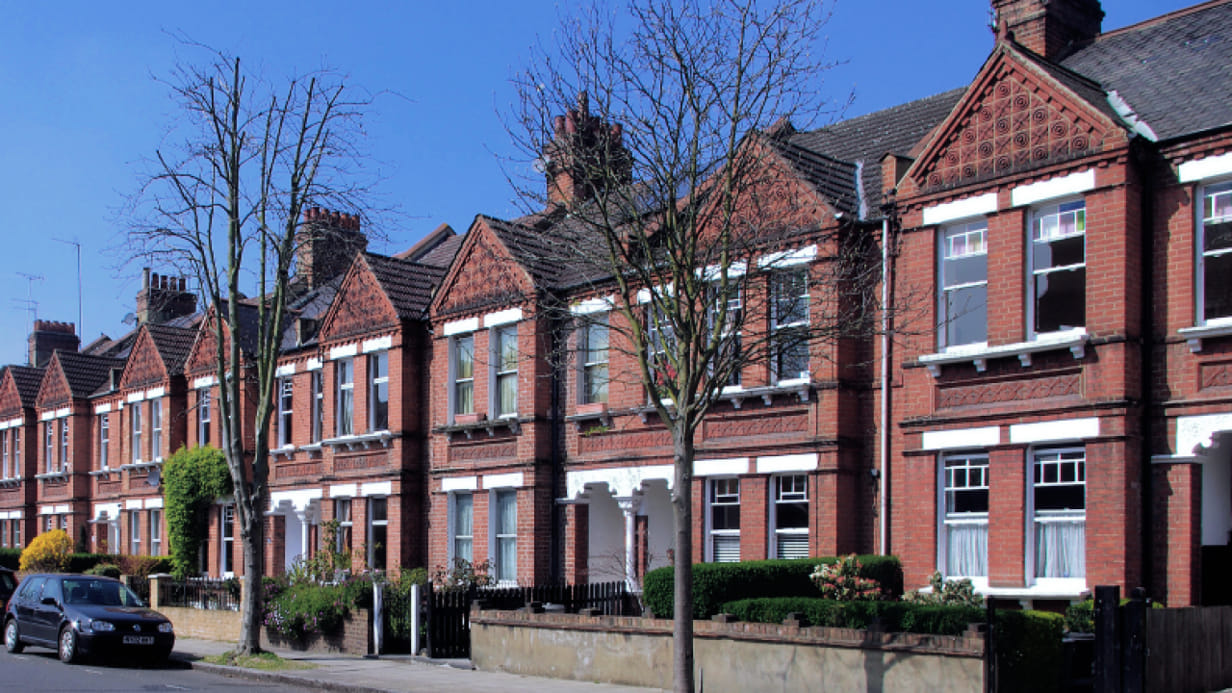
Many properties in Tufnell Park contain attractive architectural details. Where possible, retaining character features can add value and enhance the finished project.
Elements often worth preserving include:
- Original brickwork
- Decorative mouldings
- Period windows
- Historic façades
Balancing modern functionality with existing character often creates the most successful results.
Building Regulations and Compliance
A change of use project frequently triggers building regulations requirements. Even if planning permission is secured, the building must still comply with relevant technical standards.
Areas commonly assessed include:
- Structural safety
- Fire protection
- Ventilation
- Energy efficiency
- Accessibility
- Sound insulation
Compliance is essential before the building can be legally occupied for its new purpose.
Fire Safety Considerations
Fire safety requirements often become more significant when a building changes use.
Additional measures may include:
- Fire doors
- Smoke detection systems
- Protected escape routes
- Fire-resistant construction
These features help protect occupants and support regulatory compliance.
Financial Benefits of Change of Use Projects
Many property owners pursue change of use projects because of the potential financial advantages.
Depending on the location and property type, a successful conversion may:
- Increase market value
- Improve rental income
- Attract new tenants
- Reduce vacancy periods
- Create multiple income streams
However, success depends on careful planning, accurate budgeting, and professional project management.
Adding Value Through Strategic Design
Good design can significantly influence the value of a completed project. Well-planned layouts, attractive finishes, and practical functionality often help properties stand out in competitive markets. Investing in quality design can enhance both usability and long-term appeal.
Challenges That Can Arise During Change of Use Projects
While change of use projects offer many opportunities, they can also present challenges.
Potential issues may include:
- Planning restrictions
- Structural limitations
- Accessibility requirements
- Building regulation compliance
- Construction complexities
Identifying these factors early helps reduce risks and improve project outcomes.
Why Professional Guidance Matters
Experienced architectural support can help simplify complex processes and identify solutions before problems arise.
Professional involvement often helps with:
- Site assessments
- Planning strategy
- Design development
- Technical drawings
- Regulatory compliance
At Studio20 Architects, we assist clients throughout every stage of the project to help create practical and compliant outcomes.
Future Trends in Property Adaptation
As cities continue to evolve, adaptability is becoming increasingly important. Property owners are seeking buildings that can respond to changing market conditions and future demands.
Current trends include:
- Flexible mixed-use developments
- Sustainable building upgrades
- Residential conversions
- Workspace adaptation
- Community-focused developments
Properties designed with adaptability in mind may remain valuable and relevant for many years.
Transform Your Property with Studio20 Architects
A successful change of use project begins with the right strategy, professional design, and a clear understanding of planning requirements. Whether you are converting a commercial property into residential accommodation, adapting an office space, or creating a mixed-use development, Studio20 Architects can help bring your vision to life.
Our team provides expert support for Islington Tufnell Park Change of Use projects, helping clients unlock the full potential of their properties while navigating planning and regulatory requirements. Contact us today to discuss your project and take the next step toward transforming your property.
Frequently Asked Questions
1. What is a change of use application?
A change of use application seeks approval to use a property for a different purpose than its current legal classification.
2. Do all change of use projects require planning permission?
Not always. Some changes may be permitted under specific development rights, but many projects still require planning approval.
3. Can a commercial property be converted into residential accommodation?
Yes. Many commercial properties can be converted into residential units, subject to planning requirements and building regulations compliance.
4. Are building regulations required for change of use projects?
In many cases, yes. Buildings often need upgrades to meet safety, energy efficiency, accessibility, and fire protection standards.
5. Can Studio20 Architects help with change of use projects?
Yes. Studio20 Architects provides planning support, architectural design, technical drawings, and project guidance for a wide range of change of use developments.