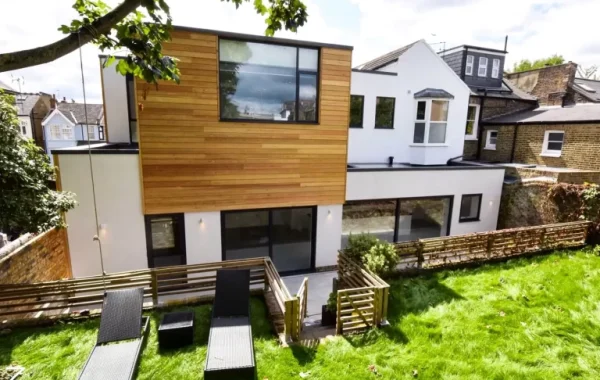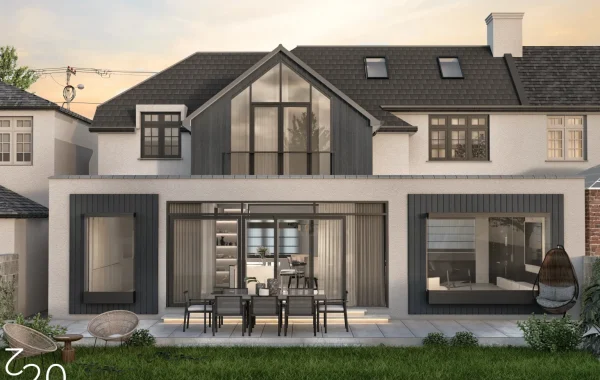


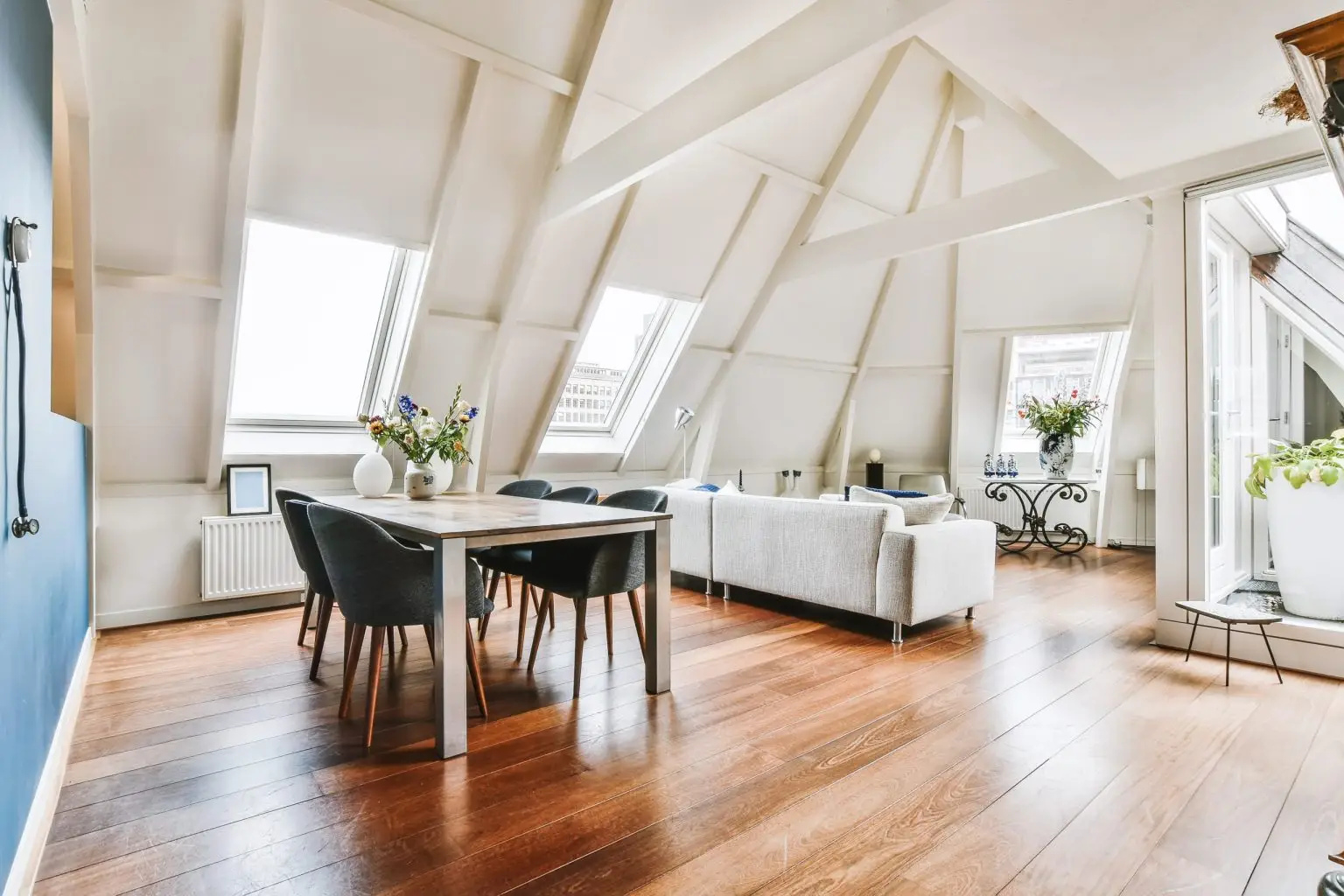

As property prices keep going up and space gets harder to find, more and more homeowners are looking up to make the most of their current homes. Loft conversions in London, UK, are one of the best ways to do so. They turn unused roof space into stylish and useful living spaces.
“Official planning guidance from GOV.UK permits many loft conversions to proceed without full planning permission, provided they meet specific conditions. They still have to follow Building Regulations to make sure that the building is safe and sound.”
With the right planning and help from professionals, a loft conversion can greatly improve your home and its value.
Key Takeaways
- Loft conversions are a wonderful way to make the most of space in London homes.
- Planning ahead makes sure that everything goes smoothly and obeys the rules.
- Good design makes things work better and raises the value of a property.
- Avoiding common mistakes lowers the risks and costs of a project.
- Getting professional help leads to better long-term results.
Why Loft Conversions Are a Smart Investment
Homeowners often explore ways to create extra living space at home, and loft conversions are one of the best and most affordable options.
Benefits include:
- Increased usable floor area
- Higher property value
- Minimal impact on outdoor space
- Flexibility for bedrooms, offices, or studios
- Faster construction compared to extensions
In big cities like London, it is often easier to build up than to build out.
Understanding Your Space Potential
Before you start any work, you need to check if your loft can be converted. Important things to consider are:
- Roof height and pitch
- Structural integrity
- Available floor area
- Access for stairs
- Natural light opportunities
For homeowners wondering how to add space in a London home, loft conversions are a practical way to do so without losing gardening or outdoor space.
Planning the Conversion Process
If you know how to plan a loft conversion in London, the project will go more smoothly, and there will be fewer delays.
Important steps include:
- Initial feasibility assessment
- Concept design and layout planning
- Planning permission (if required)
- Building regulations approval
- Technical drawings and structural calculations
- Construction and final certification
Each step is essential to making sure that the project meets both the design and the law.
Design Considerations for Maximum Impact
A loft can be a comfortable and useful living space with good design. What architects do:
- Maximising headroom and usable space
- Introducing natural light through roof windows or dormers
- Ensuring proper insulation and ventilation
- Designing safe and compliant stair access
- Integrating the new space with the existing home
A well-planned design makes sure that the conversion feels like a natural part of your home instead of something that was added later.
Regulatory and Structural Requirements
Even if you don’t need permission to build, loft conversions must still follow Building Regulations that cover:
- Structural safety
- Fire protection and escape routes
- Thermal insulation
- Soundproofing
- Staircase design
By meeting these standards, you ensure the space is safe, energy-efficient, and durable.
Common Mistakes to Avoid
Homeowners frequently encounter issues due to avoidable mistakes, such as:
- Underestimating structural requirements
- Ignoring head height limitations
- Poor staircase design
- Inadequate insulation
- Lack of professional planning
When planning permission for loft conversions in London, uk, it’s important to avoid these problems because urban properties often have extra rules.
When to Start Your Loft Conversion Project
Timing plays an important role in project success. If you are planning to start a loft conversion project in London, UK, consider:
- Budget readiness
- Planning timelines
- Contractor availability
- Seasonal factors
- Design preparation
Planning ahead makes it easier to work together and get things done.
Why Professional Architects Make a Difference
Architects are essential for making sure that your loft conversion is both useful and legal. Their knowledge helps:
- Optimise design and layout
- Navigate planning and regulations
- Coordinate structural requirements
- Avoid costly errors
- Deliver high-quality outcomes
Professional involvement makes sure that your investment gives you the best return in terms of both usability and value.
Transform Your Loft with Studio20 Architects
With expert design and planning, you can make the most of your home. Studio 20 Architects is an expert in creating custom loft conversions that make the most of space, follow the rules, and improve modern living. From the first idea to the last detail, Studio20 Architects works on your project with care, creativity, and precision.
FAQs
Do loft conversions always require planning permission
Not always. Many loft conversions are allowed as long as they meet certain requirements. You may still need full planning approval for designs that are bigger or more complicated.
How long does a loft conversion typically take
Depending on how complicated the work is, how it needs to be designed, and how much structural work is needed, most loft conversions take between 6 and 12 weeks. Planning ahead helps keep construction delays to a minimum.
What is the best use for a converted loft space
People often turn their lofts into bedrooms, home offices, or guest suites. What you need and how much space you have in the property will determine the best use.
Are loft conversions a good investment in London
Loft conversions can greatly raise the value of a home and give you more living space, making them one of the best ways to improve city homes on a budget.
Do I need an architect for a loft conversion
Hiring an architect ensures the design is correct, all rules are followed, and everything is coordinated, even though it’s not required by law. This makes the finished space safer, more efficient, and of higher quality.