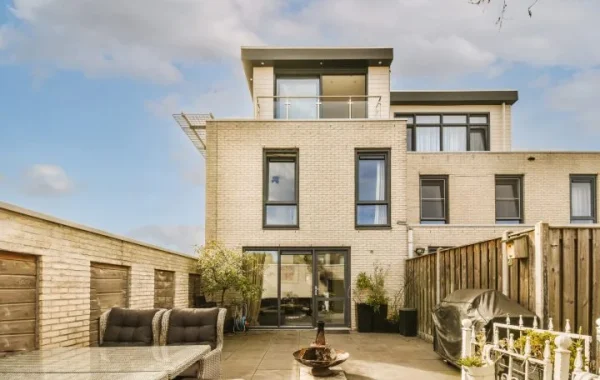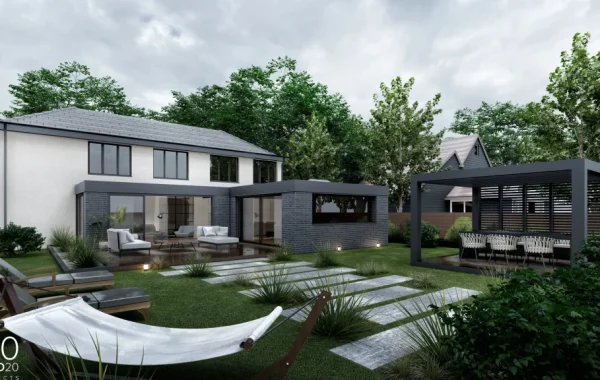




A side extension can change the space and value of your home, but you need to know how much money you will really have to spend before you start. Many homeowners focus only on construction figures, yet the true cost of double storey extension projects includes design, approvals, structural coordination, and finishing quality.
“According to official UK planning statistics, householder planning applications make up a significant proportion of all submissions in England, with extensions forming a major share. Many refusals relate to size, neighbourhood impact, or policy compliance rather than construction quality.”
By understanding how money is spent and why, homeowners can make smart choices, avoid surprise costs, and come up with a design that is well-coordinated and ready for approval.
Key Takeaways
- The real costs of an extension include design, approvals, structure, and finishes, not just construction.
- The size, specifications, and conditions of the site are big factors in the cost.
- Pricing based on area is a suggestion, not a set amount.
- Professional planning improves cost control and approval success.
- A well-planned extension adds value to your property and makes it more useful.
Understanding The Real Investment Behind A Double Storey Side Extension
A double-storey side extension is often cheaper than adding two separate single-level rooms because the foundations and roof are shared between the two levels. But being cost-effective doesn’t mean being simple.
A realistic budget typically includes:
- Architectural design and technical drawings
- Structural engineering calculations
- Planning and regulatory approvals
- Construction and materials
- Interior finishes and services
- Contingency allowance
When homeowners ask, ‘how much does a double storey extension cost?’, the answer depends on more than just size. It also depends on the scope, specification, and complexity of the project.
Important Factors That Affect The Cost Of Extensions
1. Size and Floor Area
The more space an extension takes, the more materials and labour it needs. But for bigger buildings, economies of scale might lower the cost per square metre.
2. Site Conditions and Structural Requirements
The ground’s condition, access issues, and how well the new building fits in with the old one affect costs. Changes to the structure that are complicated make engineering and construction more difficult.
3. Specification and Finishes
High-end materials, custom glazing, and high-end interior finishes can all have a big impact on the value of the whole project. The quality of the design and the details often determine how well a property will do in the long run and how much it will be worth.
4. Professional Design and Coordination
Working with experienced architects makes sure that the drawings, structure, and approvals all match up. Professional coordination lowers the risk of construction and stops expensive redesigns during the building process.
Construction Pricing And Area-Based Estimates
Homeowners often evaluate budgets using the cost per m² for double storey side extension benchmarks. Area-based estimates are helpful, but they can’t fully take into account complexity, specifications, or site limitations.
Typical cost ranges vary based on:
- Structural design complexity
- Location and labour rates
- Material quality
- Interior specification
- Services integration
So, area pricing should be considered a guide for early planning, not as a final cost for building.
Comparing Side Extensions With Other Extension Types
Understanding the house side extension cost relative to rear or wraparound extensions helps homeowners evaluate design options. Side extensions often need a lot of thought because they are close to other properties and have to follow certain rules.
But side extensions have some important benefits:
- Increased living and bedroom space across two floors
- Improved layout efficiency
- Enhanced property value
- Better integration with existing structure
Strategic design makes sure that the extension fits in with both the house and the area around it.
Hidden Costs Many Homeowners Overlook
A budget that makes sense has to include more than just the visible work. Costs that are often missed are:
- Structural investigations and surveys
- Planning documentation and application fees
- Building regulation compliance
- Drainage adjustments
- Interior finishing and joinery
- Professional project coordination
These things make up a large part of the total cost of double storey extension projects and should be thought about early on in the planning process.
The Value Of Professional Architectural Planning
Cost control is not only about reducing expenditures but also about optimising investments. Professionally planned extensions optimise usable space, structural efficiency, and approval success.
Architectural involvement helps:
- Determine feasibility prior to design development.
- Make sure the design fits with the planning rules.
- Give correct technical documentation
- Make sure that structural and construction needs are met.
- Help with quick delivery of construction
This structured method lowers risk, raises quality, and guarantees long-term performance.
Budget Planning Strategies For Homeowners
To plan costs well, you need to be clear about what is most important. Before design work starts, homeowners should make clear what they need in terms of space, design, and money.
Recommended planning steps include:
- Set a budget range that makes sense
- Do a site and feasibility study
- Make design choices that fit within the budget.
- Make sure that all technical documents are in order.
- Add a backup plan for when things don’t go as planned.
Strategic planning transforms financial uncertainty into a predictable project delivery.
Long-Term Financial Benefits of Double Storey Extensions
Even though the initial cost may seem high, a well-planned extension will add value over time. Some of the benefits are that the property value goes up, the functionality gets better, and the quality of life improves.
A professionally designed extension can:
- Increase resale value
- Improve energy efficiency
- Enhance spatial comfort
- Future-proof the home
- Reduce need for relocation
A double storey extension is both a way to improve your lifestyle and an investment in your property.
Start Your Extension Journey With Studio20 Architects
Planning a side extension takes more than just cost estimates. It also takes skill, coordination, and strategic design thinking. Studio20 Architects takes a fully integrated approach that strikes a balance between the quality of the design, following the rules, and the speed of construction. Partner with Studio20 Architects to get clear, precise, and confident about your project investment. They will turn your home into a work of art with purpose-built architectural excellence.
FAQs
How is extension cost different from initial estimates
Initial estimates provide guidance, but final costs depend on design complexity, structural requirements, and specifications. Professional planning refines budgets and reduces unexpected expenses during construction and approval stages.
Does a double storey extension add property value
Yes. Well-designed extensions typically increase property value by improving usable space, functionality, and market appeal. Value gain depends on design quality, location, and overall property condition.
What factors most affect construction pricing
Site conditions, structural modifications, material quality, and design complexity are major cost drivers. Professional design coordination helps balance performance, compliance, and financial efficiency.
Is planning permission always required
Most double storey side extensions require planning approval due to scale and boundary impact. Professional preparation improves approval success and ensures compliance with local planning policies.
Why work with architects before budgeting
Architects assess feasibility, develop realistic design options, and provide coordinated documentation. Early professional involvement helps homeowners understand financial implications before committing to construction.