

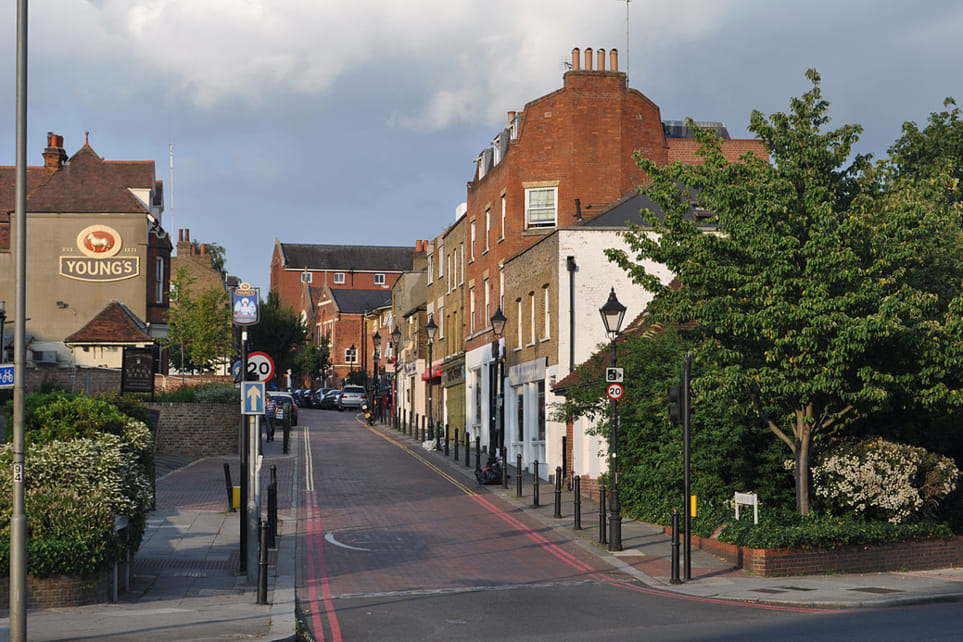

Wandsworth, particularly the Roehampton area, has experienced steady growth in residential and commercial developments. This expansion makes adhering to building regulations crucial for safety, efficiency, and legal compliance. Whether you plan to renovate, extend, or build a new property, knowing the rules ensures smooth approvals and prevents costly delays.
“Did You Know? Many people don’t realise that failing to meet building regulations can affect property insurance. Insurers may refuse claims for damages or accidents caused by non-compliant structures, adding financial risk on top of legal consequences.”
Key Takeaways
- Roehampton building regulations ensure safety, accessibility, and energy efficiency.
- All construction, renovation, and extensions require council approval.
- Qualified professionals must handle structural, plumbing, and electrical work.
- Inspections occur at multiple stages to guarantee compliance.
- Non-compliance can lead to fines, legal action, or demolition.
Why Building Regulations Matter in Roehampton
Building regulations in Roehampton set the legal standards for construction. These rules ensure that structures remain safe, energy-efficient, and accessible. They cover everything from structural integrity to fire safety, plumbing, and electrical systems. Ignoring them can lead to fines, legal disputes, or unsafe living conditions.
Local authorities in Wandsworth monitor construction projects closely. Builders and homeowners must submit detailed plans before starting any work. This scrutiny guarantees that each property meets safety codes and contributes positively to the neighbourhood’s architectural consistency.
Key Areas Covered by Roehampton Building Regulations
-
Structural Safety
Regulations demand that all buildings are structurally sound. This includes load-bearing walls, foundations, beams, and roofing systems. Engineers or qualified builders must ensure that every element can withstand environmental pressures and daily use. -
Fire Safety
Fire regulations in Roehampton protect occupants by requiring proper exits, smoke alarms, and fire-resistant materials. Multi-story buildings must include fire doors and escape routes that comply with strict safety standards. -
Energy Efficiency
Modern building regulations focus on reducing energy consumption. Insulation, efficient heating systems, and sustainable materials help properties meet the required energy performance certificate (EPC) ratings. This not only lowers bills but also supports environmental goals. -
Accessibility
Roehampton authorities enforce accessibility standards for new builds and major renovations. Properties must provide safe access for people with disabilities, including ramps, lifts, and wider doorways where applicable. -
Plumbing and Electrical Compliance
All plumbing and electrical work must meet safety standards. Qualified professionals must install these systems, and inspections often occur at multiple stages of construction to confirm compliance.
Applying for Building Regulation Approval
Submitting an application for building regulation approval in Wandsworth follows a structured process:
-
Prepare Detailed Plans
Architects or builders submit blueprints highlighting structural designs, fire safety measures, and energy efficiency solutions. -
Submit to Local Authority
Wandsworth Council reviews the application, checking that plans adhere to current building codes. -
Inspection Stages
Building control officers conduct inspections at key stages: foundations, structural framework, plumbing, electrical systems, and final completion. -
Approval and Certification
Once inspections pass, the council issues a completion certificate. This document confirms the property meets legal standards and can be used for insurance and resale purposes.
Renovations and Extensions in Roehampton
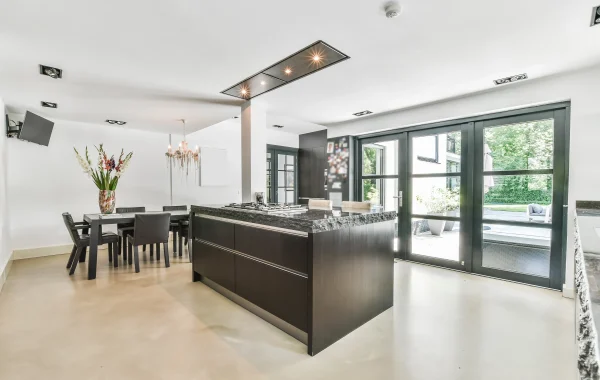
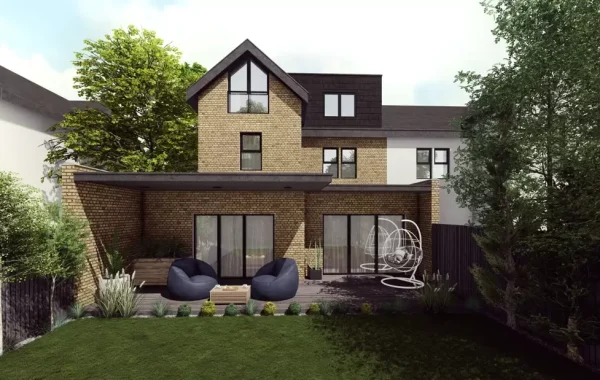
Even minor projects in Roehampton require adherence to building regulations. Homeowners extending kitchens, adding loft conversions, or converting basements must ensure their designs comply. Non-compliant work can result in enforcement notices, forced demolition, or difficulties when selling the property.
Builders often provide pre-application advice to help homeowners plan renovations that meet legal requirements. Consulting early can save time, money, and stress during construction.
Common Mistakes to Avoid
-
Skipping Permissions
Starting work without submitting applications can lead to fines or mandatory removal of work. -
Using Unlicensed Contractors
Only qualified and approved contractors should handle structural, electrical, or plumbing work. -
Ignoring Energy Standards
Failing to meet energy efficiency regulations can result in penalties and higher running costs. -
Overlooking Fire Safety
Inadequate escape routes, alarm systems, or fire-resistant materials put lives at risk and violate regulations. -
Incomplete Documentation
Missing plans or insufficient detail can delay approval, causing unnecessary frustration and added expenses.
Cost Considerations
The cost of complying with Roehampton building regulations varies depending on project size and complexity. Factors influencing expenses include:
- Scale of construction
- Required inspections
- Professional fees for architects or engineers
- Materials and energy-efficient installations
While compliance adds upfront costs, it prevents expensive legal issues and boosts property value. Insurance companies also favor properties built according to regulations, often offering better coverage.
Benefits of Compliance
-
Safety for Occupants
Following regulations reduces risks of structural failure, fire hazards, or faulty installations. -
Legal Security
Approved buildings protect homeowners and builders from fines or legal disputes. -
Energy Savings
Compliant energy-efficient systems reduce utility bills and environmental impact. -
Property Value
Properties built or renovated according to regulations attract buyers and secure higher resale prices. -
Peace of Mind
Knowing your property meets legal and safety standards provides confidence for occupants and investors alike.
Working with Professionals in Roehampton
Hiring skilled architects in London, builders, and surveyors familiar with Wandsworth regulations ensures projects progress efficiently. Professionals help navigate approvals, inspections, and compliance checks, reducing delays and mistakes.
Builders can also advise on innovative materials or methods that meet energy and fire safety requirements while enhancing aesthetic appeal. This combination of compliance and creativity ensures your project meets both legal and lifestyle expectations.
Staying Updated
Building regulations evolve periodically, reflecting changes in technology, safety standards, and environmental priorities. Wandsworth Council publishes updates and guidance to keep homeowners and builders informed. Staying current prevents costly oversights and ensures smooth project completion.
Take Action Today
Whether you’re planning a new build, extension, or renovation in Roehampton, taking action early ensures compliance and efficiency. Contact Studio20 Architects to guide your project from planning to completion.
Following Wandsworth’s building regulations doesn’t just keep your property safe-it increases its value, enhances comfort, and protects your investment for years to come. Don’t wait until problems arise-start your compliance process now with Studio20 Architects and build with confidence.
FAQs
Do I need approval for minor renovations in Roehampton?
Yes. Even small projects like loft conversions or kitchen extensions must comply with building regulations.
How long does building regulation approval take?
The process typically takes a few weeks for simple projects, but larger developments may require several months.
Can I use any builder for my project?
Only qualified and licensed builders should carry out structural, electrical, or plumbing work to ensure safety and legal compliance.
What happens if my property fails inspection?
You must correct the issues and request a re-inspection. Failure to comply can lead to enforcement action.
Are energy-efficient upgrades mandatory?
Yes. Modern regulations require buildings to meet minimum energy performance standards.