

Wandsworth Roehampton Planning Permission: Key Facts for Property Owners

If you plan to extend, convert, or redevelop a property in Wandsworth Roehampton, you must secure the right planning permission before starting work. The area falls under the London Borough of Wandsworth and includes locations with conservation status, green spaces, and strict development controls.
Property owners often assume small changes do not require approval. That assumption can lead to enforcement notices, costly redesigns, or even legal action. You need clarity, preparation, and a strategy that aligns with local planning policy.
“Did you know? Wandsworth Council consistently records one of the highest planning approval rates among London boroughs for well-prepared householder applications. Strong design and policy compliance make a measurable difference.”
This blog explains how planning permission works in Roehampton, what types of projects require approval, common challenges, and how you can improve your chances of success.
Key Takeaways
- Many extensions and alterations in Roehampton require planning permission.
- Conservation areas and flats face stricter rules.
- Strong drawings and policy-aligned design increase approval chances.
- Neighbour impact plays a major role in council decisions.
- Professional support reduces delays and refusal risk.
- Building without permission can lead to enforcement action.
Why Planning Permission Matters in Wandsworth Roehampton
Wandsworth Council actively manages development to protect local character, green belt land, and residential amenity. Roehampton includes estates, conservation areas, and properties near open spaces such as Richmond Park and Putney Heath. These surroundings influence planning decisions.
When you apply for planning permission, the council reviews:
- Design and appearance
- Impact on neighbours
- Traffic and parking
- Environmental impact
- Compliance with the Local Plan
- Conservation and heritage considerations
If your proposal conflicts with policy, the council may refuse it. Strong preparation reduces that risk significantly.
Types of Projects That Require Planning Permission
Not all building work requires permission. However, many projects in Roehampton do. Below are the most common developments that typically need approval.
1. Home Extensions
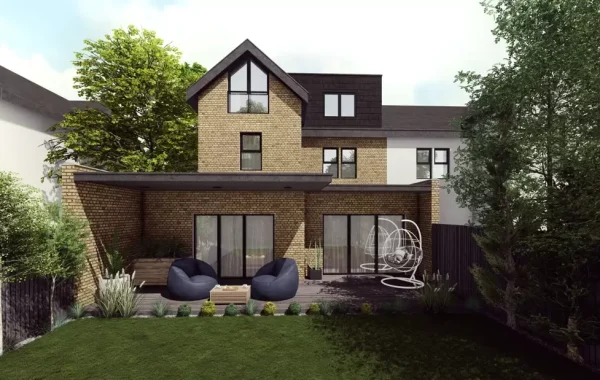
Rear, side, and wrap around extensions often require planning permission, especially if they exceed permitted development limits.
Flats and maisonettes do not benefit from permitted development rights. If you own a flat in Roehampton, you almost always need full planning approval for extensions.
2. Loft Conversions
Some loft conversions fall under permitted development, but strict size and design limits apply. If your property lies within a conservation area or if you plan dormer alterations facing the highway, you will likely need permission.
3. Change of Use
Converting a house into flats, turning a shop into residential units, or changing use between commercial classes requires planning approval.
4. Basement Developments
Basement excavations receive careful scrutiny in Wandsworth. Structural impact, drainage, and neighbour concerns influence decisions.
5. New Builds
If you plan to construct a new dwelling, even in a large garden, you must submit a full planning application.
The Planning Application Process in Wandsworth
You must follow a structured process when applying for planning permission.
Step 1: Pre-Application Advice
Wandsworth Council offers pre-application advice. This step helps you identify potential issues before submitting a formal application. Many successful applications begin here.
Step 2: Prepare Drawings and Documents
You need:
- Existing and proposed drawings
- Site location plan
- Design and Access Statement (if required)
- Planning statement
- Heritage statement (for conservation areas)
- Structural or transport reports (if relevant)
Accurate drawings and a strong planning statement improve approval chances.
Step 3: Submit the Application
You submit the application through the Planning Portal. Once validated, the council begins the consultation period.
Step 4: Public Consultation
Neighbours and local stakeholders can comment on your proposal. Objections do not automatically mean refusal, but they influence the decision.
Step 5: Decision
Most householder applications receive a decision within 8 weeks. Larger developments may take longer.
Conservation Areas in Roehampton
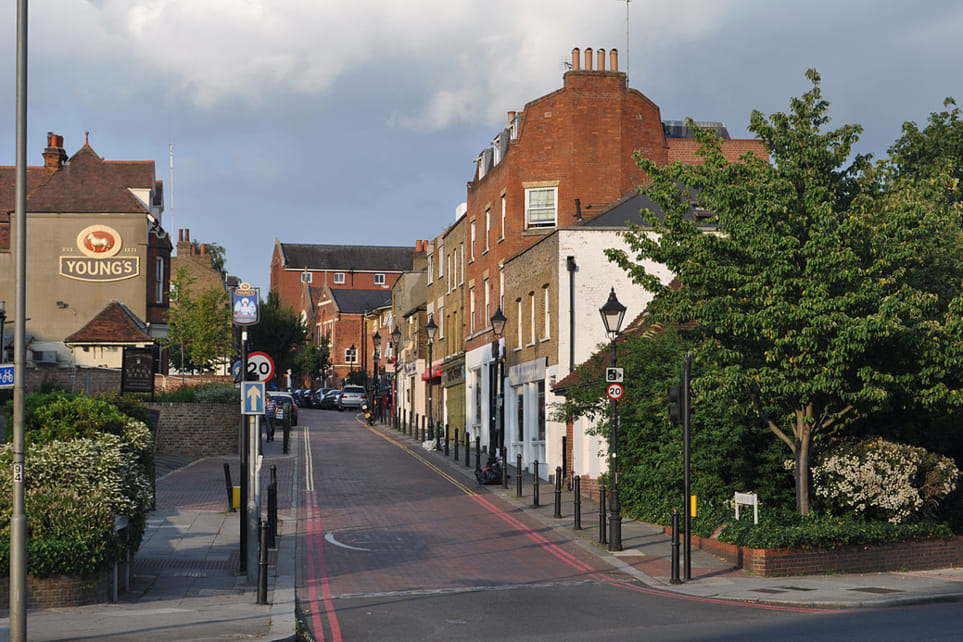
Parts of Roehampton fall within conservation areas. These zones protect architectural and historic value. If your property lies in one of these areas, stricter design standards apply.
You may need permission for:
- Replacing windows
- Altering rooflines
- Changing exterior materials
- Demolishing structures
The council expects high-quality design that preserves local character.
Common Reasons for Refusal
Many planning applications fail for preventable reasons. The most common include:
- Overdevelopment of the site
- Excessive bulk or height
- Loss of daylight to neighbours
- Overlooking and privacy issues
- Poor design quality
- Conflict with local planning policy
You must design with these factors in mind from the beginning.
Permitted Development Rights in Roehampton
Permitted Development (PD) allows certain works without full planning permission. However, strict size and design limitations apply.
In Roehampton:
- Flats do not qualify for most PD rights.
- Properties in conservation areas have restricted PD rights.
- Article 4 Directions may remove PD rights in some locations.
You should always apply for a Lawful Development Certificate if you rely on permitted development. This certificate protects you during future property sales.
How to Strengthen Your Planning Application
You can significantly improve approval chances by taking the following steps:
Work with Planning Professionals
Architects and planning consultants know local policy and previous decisions in Wandsworth. They design proposals that align with council expectations.
Respect Neighbour Amenity
Reduce overlooking, manage height carefully, and avoid excessive overshadowing. Small design adjustments can prevent objections.
Use High-Quality Materials
The council values design that enhances the local area. Poor-quality materials weaken your application.
Address Policy Clearly
A strong planning statement that references Wandsworth’s Local Plan can support your case effectively.
Costs Involved in Planning Permission
Planning fees vary depending on the project type.
Typical costs include:
- Council application fee
- Architectural drawings
- Planning consultant fees
- Structural engineer reports
- Specialist surveys (if required)
You should budget beyond the council fee alone. Professional input often saves money by reducing refusal risk.
What Happens If You Build Without Permission?
If you build without required planning approval, the council can:
- Issue an enforcement notice
- Require demolition or alteration
- Prevent property sale
- Impose fines
Retrospective applications remain possible, but approval is not guaranteed. You should always secure permission first.
Planning Permission for Flats and Estates in Roehampton
Roehampton includes several post-war estates and blocks of flats. Leasehold ownership adds complexity. You may need:
- Freeholder consent
- Estate management approval
- Planning permission
- Building regulations approval
Ignoring lease conditions can create legal disputes, even if planning permission gets approved.
Building Regulations vs Planning Permission
Many homeowners confuse these two systems.
Planning permission focuses on design, size, and external impact.
Building regulations ensure structural safety, fire protection, insulation, and drainage compliance.
You usually need both approvals before starting construction.
Timeline Expectations
A realistic planning timeline in Roehampton looks like this:
- 2–4 weeks: Design development
- 2–3 weeks: Preparing documents
- 8 weeks: Council decision period
- Additional time if amendments are required
Start early if you aim to begin construction within a specific season.
Appeals Process
If Wandsworth Council refuses your application, you can appeal to the Planning Inspectorate. The appeal process can take several months.
However, many applicants achieve success by revising and resubmitting instead of appealing.
Take the Next Step with Confidence
Planning permission in Wandsworth Roehampton requires careful preparation, policy awareness, and strategic design. A well-prepared application saves time, protects your investment, and increases property value.
If you plan to extend, convert, or redevelop your property, Studio20 Architects can support you from initial design through planning approval.
Contact Studio20 Architects today to discuss your Roehampton project and move forward with clarity and confidence.
Frequently Asked Questions (FAQs)
How long does planning permission take in Wandsworth Roehampton?
Most householder applications receive a decision within 8 weeks. Larger or complex developments may take 13 weeks or more.
Do I need planning permission for a loft conversion in Roehampton?
You may not need permission if your house qualifies under permitted development. However, flats and conservation area properties usually require full approval.
Can neighbours stop my planning application?
Neighbours cannot directly stop your application, but their objections can influence the council’s assessment.
What is an Article 4 Direction?
An Article 4 Direction removes permitted development rights in specific areas. If your property falls under one, you must apply for planning permission for works that would normally be allowed.
Can I apply for planning permission myself?
Yes, you can. However, professional drawings and planning statements significantly improve approval chances.