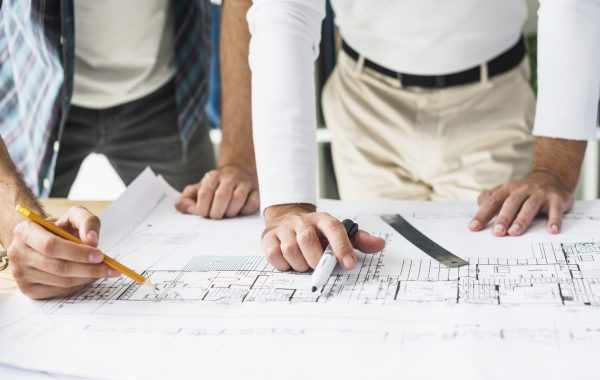




Turning unused space under a house into a usable living area can make a big difference in the value of the property. You need more than just excellent design skills to work on a basement. You also need to know how to use technology, coordinate plans, and run construction exactly. So, picking the right basement conversion company is not only a smart choice for your property now but also a smart choice for its long-term performance.
“According to UK Government guidance on Building Regulations, structural safety and moisture resistance are core compliance requirements for below-ground construction. Building Control frequently delays or rejects projects that do not meet these standards during their review.”
This highlights a crucial reality: basement conversions succeed through professional planning, engineering precision, and coordinated delivery. Experience is not optional – it is essential for safety, compliance, and value.
Key Takeaways
- Basement conversions require more specialised technical knowledge than regular extensions.
- Professional coordination lowers the risk of structural problems and delays in planning.
- Knowing the costs early on helps make smart decisions about design and budgeting.
- Structured construction phasing keeps the property stable and the people who live there safe.
- Delivery by professionals guarantees long-term performance and value for money.
The Complexity Behind Basement Conversions
Basement projects are different from regular extensions because they involve digging, reinforcing the structure, waterproofing systems, and complicated sequencing. Because of these things, professional coordination is essential from the very beginning of the design process.
A key reason homeowners explore why hire a basement conversion company is the technical risk involved. Before making final design decisions, it is important to look at the ground conditions, drainage patterns, and structural loading. Lack of expertise can lead to issues during construction, such as water intrusion, structural movement, and approval delays.
Professional basement specialists put together structural design, waterproofing strategy, and planning considerations into one process. This integrated approach ensures the design is feasible for construction and adheres to all regulations.
Professional Expertise Reduces Risk and Uncertainty
Experience transforms uncertainty into predictability. One of the major benefits of basement conversion company expertise is the ability to anticipate challenges before they become costly problems.
An experienced team evaluates:
- Soil conditions and groundwater behaviour
- Structural load transfer requirements
- Party wall implications
- Waterproofing design standards
- Construction phasing for occupied homes
These evaluations help make design choices that keep the building’s structure strong and make sure it works well for a long time. Expertise lowers risk, stops the need for redesign, and makes construction go more smoothly.
Planning Strategy and Approval Success
When planning basement developments, people often think about things like sizes and how they will affect neighbours, as well as changes to the building’s structure. The quality of the paperwork and the planning strategy have a big impact on how well the approval goes.
Following structured basement conversion planning tips makes sure that submissions are complete and follow the rules. Professional teams make sure that their detailed drawings, structural reports, and technical specifications meet the needs of the local government.
The quality of the construction is not the only thing that determines the success of a plan. It depends on how well design proposals take into account technical feasibility, policy guidance, and site constraints.
Related Blog:- The Importance of Planning Permission in London
The Importance of Specialist Selection
It takes a lot of thought to pick the right professional partner. Homeowners researching how to choose a basement conversion specialist should consider experience with similar projects, technical capability, and delivery methodology.
Important factors to consider when making a choice are:
- Proven experience with structural excavation projects
- Understanding of waterproofing systems and compliance standards
- Ability to manage planning and building regulation submissions
- Transparent design and delivery process
- Coordinated construction support
Choosing a specialist makes sure that your project gets structured guidance instead of just reacting to problems as they come up.
Related Blog:- What are the Different Types of Basement Conversion?
Understanding Cost Through Professional Coordination
One of the best things about getting professionals involved is that it makes the budget clearer. Many homeowners initially research basement conversion cost expectations to understand project feasibility.
Digging costs depend on the hole’s depth, the structure’s strength, the waterproofing needed, and the site’s accessibility. Professional teams give you realistic cost estimates based on technical evaluations instead of guesses.
Early cost clarity helps people make smart choices, cuts down on unexpected costs, and helps contractors set fair prices. Builders can give similar quotes and realistic construction schedules when they have accurate paperwork.
Construction Phasing and Liveable Homes
Homeowners often stay in their homes while basement projects are going on. This requires careful planning, safety management, and site organisation.
To keep the building stable and avoid problems, experienced teams coordinate the excavation, structural work, and fit-out stages. Not only is construction phasing a matter of planning, it is also a matter of safety and structure.
Professional oversight makes sure that:
- Structural integrity is maintained during excavation
- Waterproofing installation meets performance standards
- Work progresses in safe, controlled stages
- Quality assurance is maintained throughout construction
This organised method keeps the property and the people who live there safe.
Long-Term Performance and Property Value
A well-done basement conversion makes a property more valuable, useful, and appealing to buyers. But how well something works depends entirely on how precise the technology is and how long the materials last.
Professional design makes sure that waterproofing systems, structural elements, and ventilation strategies work well over time. This keeps the money safe and stops future repair costs.
A well-planned project turns unused space into a high-quality living area that fits in perfectly with the rest of the property.
The Strategic Value of Professional Delivery
When you hire an experienced basement conversion company, you get more than just technical know-how. You also get clear communication, confidence, and coordinated project management.
Professional teams are in charge of everything from planning to building, including design development, getting approvals, writing up plans, and overseeing construction. This integrated process makes sure that each step helps the next one, which makes the project journey predictable and manageable.
With the help of an expert, complicated structural work becomes a manageable and successful property improvement.
Start Your Basement Transformation with Studio20 Architects
If you are considering unlocking the potential beneath your home, Studio20 Architects can help you with all of the planning, design, and construction. Work with a team that will make sure everything is clear, compliant, and valuable from start to finish.
FAQs
Why is professional experience important for basement projects
Teams with experience work together to plan the structure, waterproofing, and approvals. This all-in-one approach lowers risk, stops delays, and makes sure that below-ground construction follows Building Regulations and planning rules.
How long does a basement conversion typically take
A project’s length depends on its size, excavation depth, and difficulty. When the design and approvals are coordinated, most basement conversions move through structured stages from feasibility to completion quickly.
Do basement conversions always require planning permission
Planning approval is needed for some projects, especially when changing the depth or outside look. Professional assessment makes sure that the right permissions and paperwork are ready for the local authority to look over.
What factors influence basement conversion cost
Costs depend on how much digging is needed, how the structure needs to be strengthened, how the waterproofing needs to be designed, and how easy it is to get to. A professional assessment gives you a realistic budget based on the technical details of the site.
How does professional coordination improve project outcomes
Integrated management makes sure that design, structure, and construction all work together from the beginning. This coordination makes it easier to get approval, speeds up construction, and makes the converted space work better in the long run.