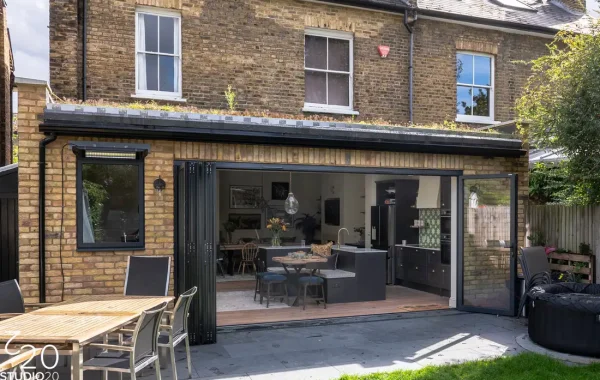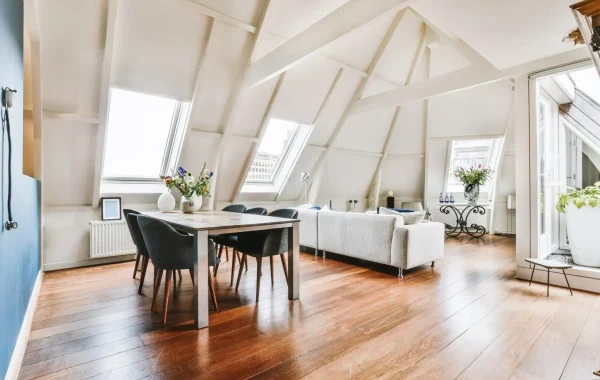


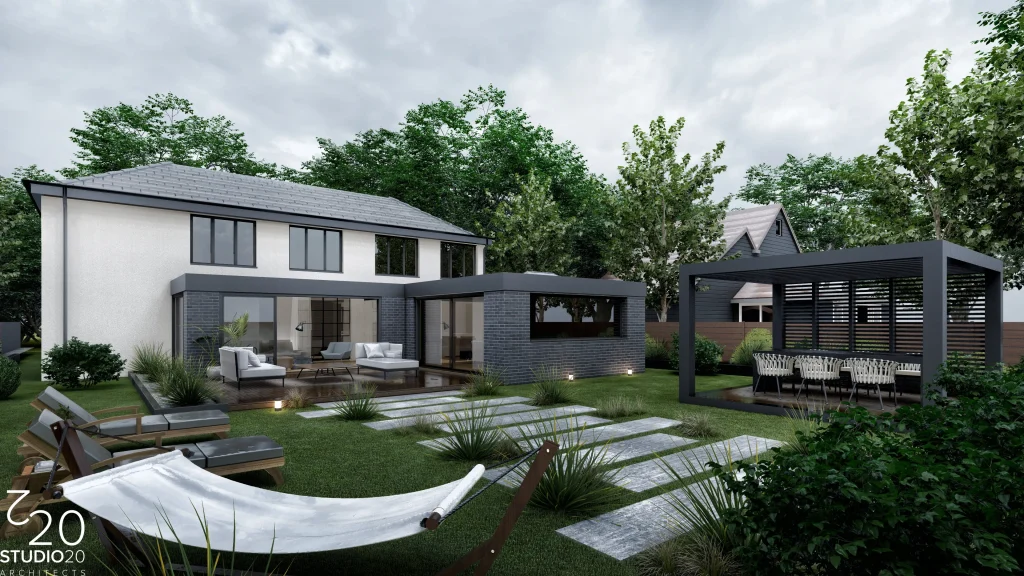

Homeowners are increasingly seeking smarter ways to maximise their space without relocating. A wrap around extension for more space, which includes both side and rear extensions, is one of the best ways to get a functional layout. It makes the layout bigger and more useful.
“According to official planning guidance published by GOV.UK, many home extensions may fall under permitted development rights depending on size and design but must still comply with Building Regulations for safety and performance.”
Wrap-around extensions can change how a home is used in a big way. They can make everyday life more comfortable, efficient, and beautiful with careful planning and design.
Key Takeaways
- Wrap-around extensions combine space in the back and on the sides for the most effect.
- They make the layout and functionality much better.
- Planning ahead makes sure that you follow the rules and get your approval.
- Professional design makes things easier to use and looks better.
- Adding a well-designed extension to your home will raise its value over time.
What Is a Wrap Around Extension
To understand the full potential of this design, it is important to define what is a wrap around extension. It is a type of extension that makes the back and side of a property bigger, wrapping around the existing structure.
This approach allows homeowners to:
- Create larger open-plan living areas
- Improve layout flow
- Maximise natural light
- Utilise unused outdoor space
It is especially popular in city homes where space is tight but the layout needs to be better.
Why Wrap Around Extensions Improve Functionality
Many homeowners explore ways to create more functional space at home, and wrap-around extensions are one of the best options.
Here are some of the most important functional benefits:
- Seamless open-plan layouts
- Improved connectivity between rooms
- Better zoning for living, dining, and kitchen areas
- Increased flexibility for modern lifestyles
This kind of extension doesn’t just add space; it changes how space is used.
Design Advantages of Wrap Around Extensions
A well-planned wrap-around extension gives you more than just extra space. It makes your home look better and easier to use.
Design advantages include:
- Enhanced natural light through large glazing
- Improved indoor-outdoor connection
- Flexible layout configurations
- Contemporary architectural appeal
- Better use of previously unused areas
These benefits make it a popular choice for homeowners who want both style and function.
Planning and Approval Considerations
Because of their size and how they affect nearby properties, wraparound extensions often need a lot of planning. Some things may be allowed to be built without full planning permission, but usually they are.
Important things to think about are:
- Property boundaries and proximity to neighbours
- Design scale and height
- Impact on surrounding properties
- Compliance with local planning policies
Professional advice ensures that your design adheres to all regulations and continues to receive approval.
Understanding Costs and Budgeting
Before starting, homeowners should review a wrap around extension cost guide to understand the financial commitment involved.
Costs typically include:
- Design and architectural services
- Planning and approval fees
- Structural work and materials
- Interior finishes
- Contingency budget
The total cost depends on the size, specifications, and difficulty of the site, so it’s important to plan ahead to keep costs in check.
The Role of Professional Architects
To get the best results, you need to work with professionals who have been doing this for a long time. Wrap Around Extension Specialists in London provide the expertise needed to design and deliver high-quality extensions.
Architects help by:
- Creating efficient layouts
- Navigating planning requirements
- Coordinating structural elements
- Managing project stages
- Ensuring compliance with regulations
Their participation makes sure that the extension works and looks appealing.
Things You Shouldn’t Do
Homeowners often have problems because of mistakes they could have avoided, like:
- Poor layout planning
- Underestimating costs
- Ignoring natural light design
- Lack of professional input
- Overlooking planning constraints
If you don’t make these mistakes, a wrap around extension for more space delivers maximum value and usability.
Getting the Most Value Over Time
A well-done wrap-around extension not only improves daily life, but it also raises the value of the property. In the housing market, open-plan layouts and better functionality are very popular.
Benefits that last a long time include:
- Increased resale value
- Improved lifestyle quality
- Better energy efficiency
- Future-proofed living space
Strategic design makes sure that your investment keeps making money over time.
Change Your Home with Studio20 Architects
Are you ready to get the most out of your home? Studio20 Architects is an expert at designing custom wrap-around extensions that make the most of space, functionality, and value. Studio20 Architects provides custom solutions that bring your ideas to life with accuracy and creativity, from the beginning to the end.
FAQs
Do wrap around extensions always require planning permission
Most wrap-around extensions need planning permission because they are massive and have such a big effect. Before you start, it’s important to talk to professionals to make sure you’re following local planning rules.
How long does it take to complete a wrap around extension
Project timelines usually range from 10 to 16 weeks, depending on the complexity, size, and number of approvals required. Planning and coordinating well can help make construction go more smoothly and cut down on delays.
Are wrap around extensions suitable for all homes
They work well with many different kinds of properties, especially those with side access. But whether or not it is possible depends on the site’s conditions, layout, and planning rules.
How do wrap around extensions improve functionality
They make homes more practical and comfortable for modern living by creating open-plan layouts, improving flow between rooms, and letting in more natural light.
Is hiring an architect necessary for this type of extension
It is not required to work with an architect, but doing so will make sure that the design, compliance, and coordination are all better, which will lead to a better and more efficient outcome.