

Wandsworth Nine Elms Building Regulations: What Property Owners Need to Know

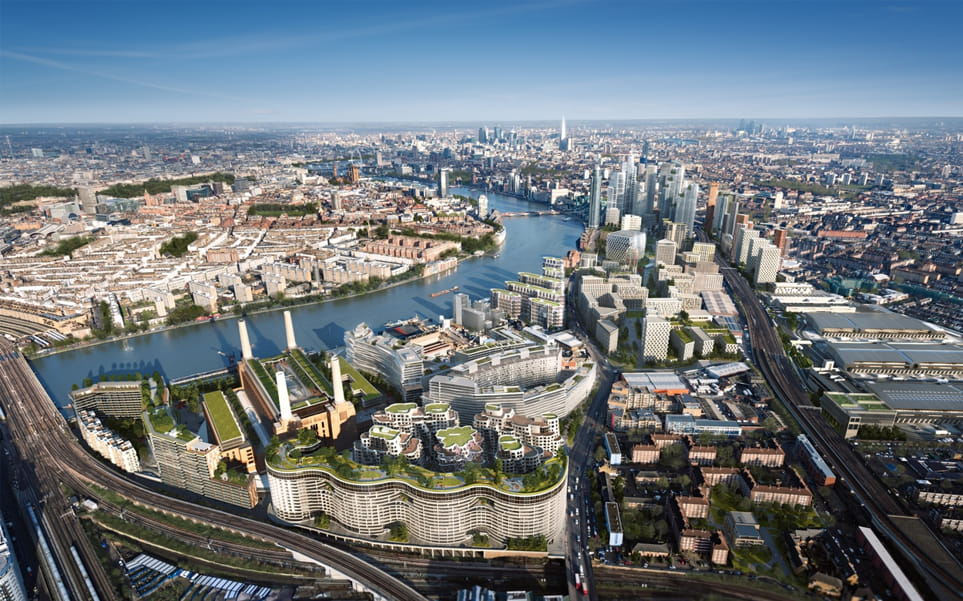
The Nine Elms area in Wandsworth has seen rapid transformation over the past decade, turning into one of London’s most active development zones. With modern apartments, commercial spaces, and infrastructure upgrades shaping the skyline, building regulations in this area have become stricter and more structured. Whether you are planning a renovation, new build, or conversion, staying compliant is essential to avoid costly setbacks.
“Did You Know? Nine Elms is part of one of London’s largest regeneration projects, with thousands of new homes and commercial spaces built under strict regulatory frameworks to meet modern urban living standards.”
Key Takeaways
- Building regulations ensure safety, energy efficiency, and accessibility.
- Nine Elms has stricter requirements due to rapid urban development.
- Planning permission and building regulations serve different purposes.
- Approval involves application submission, plan checks, inspections, and certification.
- Non-compliance can result in fines, delays, and legal issues.
- Professional guidance is highly recommended for smooth project execution.
Why Building Regulations Matter in Nine Elms
Building regulations are legal standards that ensure construction work meets safety, energy efficiency, and accessibility requirements. In a high-growth area like Nine Elms, these rules are especially important due to dense urban planning, environmental concerns, and the need to maintain consistent quality across developments.
Failure to follow these regulations can lead to fines, project delays, or even demolition orders. More importantly, non-compliance can compromise the safety of occupants and neighboring properties.
Key Areas Covered by Building Regulations
When working on a project in Nine Elms, several critical aspects must be considered:
Structural Safety
Any new construction or modification must ensure that the building can safely support loads. This includes walls, roofs, and foundations. Structural engineers are often required to provide calculations and drawings.
Fire Safety
Fire regulations are a top priority, especially in multi-storey residential buildings. Requirements include fire-resistant materials, proper escape routes, alarm systems, and sprinkler installations where necessary.
Energy Efficiency
New builds and major renovations must meet energy performance standards. This includes insulation, efficient heating systems, and reduced carbon emissions. Developers often need to provide an Energy Performance Certificate (EPC).
Ventilation
Adequate airflow is necessary to prevent condensation and maintain indoor air quality. Mechanical or natural ventilation systems must meet specified standards.
Accessibility
Buildings must be accessible to all users, including individuals with mobility challenges. This includes step-free access, wider doorways, and accessible bathroom facilities.
Drainage and Waste Disposal
Proper drainage systems are required to manage wastewater and prevent flooding. Regulations also cover sustainable drainage systems (SuDS), especially in urban areas like Nine Elms.
Planning Permission vs Building Regulations
It’s important to distinguish between planning permission and building regulations. Planning permission focuses on how a building looks and its impact on the surrounding area, while building regulations deal with how it is constructed.
In Nine Elms, many projects require both approvals. For example, adding an extension may need planning permission due to visual impact, while also requiring building regulation approval for structural and safety compliance.
The Approval Process
Step 1: Submit an Application
You can apply through your local authority or an approved inspector. Applications typically include architectural drawings, structural details, and specifications.
Step 2: Plan Check
Authorities review your plans to ensure they meet all required standards. If issues are found, revisions will be requested.
Step 3: Site Inspections
Inspectors visit the site at key stages, such as foundation laying, structural framing, and final completion.
Step 4: Completion Certificate
Once the project meets all standards, a completion certificate is issued. This document is essential when selling or refinancing the property.
Challenges in Nine Elms Developments
Due to its urban density and ongoing regeneration, Nine Elms presents unique challenges:
- Limited space for construction work
- Strict environmental targets
- Coordination with nearby developments
- Noise and disruption control
Developers must plan carefully to manage these constraints while staying compliant with regulations.
Renovations and Conversions
If you’re upgrading an existing property, regulations still apply. Common projects that require approval include:
- Loft conversions
- Basement excavations
- Structural alterations
- Electrical rewiring
- Plumbing upgrades
Even smaller changes may need approval if they affect safety or energy performance.
Role of Professionals
Working with qualified professionals can make a significant difference. Architects, structural engineers, and building control inspectors help ensure that your project meets all legal requirements.
Hiring experienced contractors who are familiar with Nine Elms projects can also help avoid delays and compliance issues.
Costs Involved
Building regulation costs vary depending on the size and complexity of the project. Fees may include:
- Application fees
- Inspection charges
- Professional consultancy fees
While these costs may seem high, they are essential for ensuring safety and long-term value.
Penalties for Non-Compliance
Ignoring building regulations can lead to serious consequences:
- Legal action from local authorities
- Fines and penalties
- Difficulty selling the property
- Additional costs to fix non-compliant work
In some cases, authorities may require you to undo completed work.
Future Trends in Nine Elms Construction
As Nine Elms continues to grow, building regulations are expected to evolve. Sustainability, smart technology, and green construction methods are becoming more prominent.
Developers are increasingly incorporating renewable energy sources, smart home systems, and eco-friendly materials to meet future standards.
Planning a project in Nine Elms? Make sure your development meets every requirement from day one. Connect with Studio20 Architects today to get expert support, avoid costly mistakes, and keep your project compliant, efficient, and ready for success.
FAQs
Do I always need building regulation approval in Nine Elms?
Not always. Minor cosmetic changes may not require approval, but structural, electrical, or plumbing work typically does.
How long does approval take?
It depends on the project, but plan checks usually take a few weeks. Complex developments may take longer.
Can I start work before approval?
No, starting without approval can lead to penalties and forced corrections.
What is a completion certificate?
It is an official document confirming that your project meets all building regulations. It is essential for property transactions.
Can I handle the process myself?
While possible, working with professionals is strongly advised to avoid errors and delays.