

Wandsworth Nine Elms Wrap-around Extension: Transforming Homes with Smart Space Design

Home extensions have become a powerful way for London homeowners to reshape living spaces without moving. Among the most impactful renovation styles, the wrap-around extension stands out for its ability to completely change how a property feels, functions, and flows. In areas like Wandsworth and Nine Elms, where space comes at a premium, this type of transformation is becoming increasingly popular.
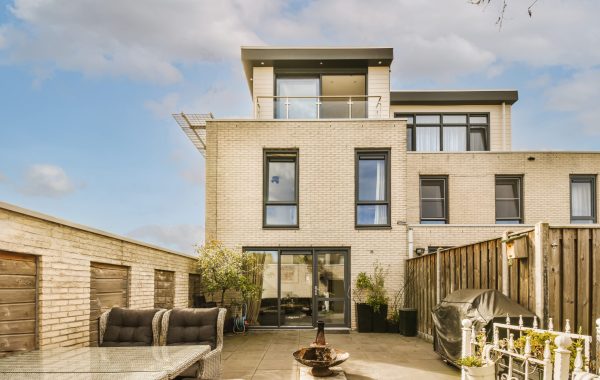
A wrap-around extension combines a side-return extension with a rear extension, forming an L-shaped structure that expands both width and depth of a home. This layout opens up previously unused areas and creates generous, light-filled interiors that suit modern lifestyles.
“Did You Know? Many Victorian homes in Wandsworth were originally designed with narrow side passages to improve ventilation and light for coal-fired kitchens. Today, these same spaces are often transformed into part of wrap-around extensions, creating large modern kitchens where those narrow corridors once stood.”
In the context of Wandsworth and Nine Elms, where Victorian and Edwardian terraces are common, this type of extension brings fresh architectural energy while respecting the character of existing homes.
Key Takeaways
- A wrap-around extension combines side and rear expansion into an L-shaped layout
- Wandsworth and Nine Elms properties are well-suited due to their housing styles
- Planning permission may be required depending on property type and size
- Open-plan layouts with natural light are central to modern design choices
- Structural planning is essential for safety and long-term stability
- High-quality materials significantly improve long-term value
- Costs vary but London properties often see strong return on investment
What Makes a Wrap-around Extension Stand Out?
A wrap-around extension is not just an addition of square footage. It reshapes how rooms connect with each other. Kitchens often become the central hub, extending into dining and lounge spaces without restrictive walls.
In properties across Nine Elms and nearby Wandsworth streets, side returns are often narrow, underused passages. When combined with a rear extension, these spaces form a wide-open ground floor that can completely shift how a home is used.
Key features typically include:
- L-shaped floor expansion
- Open-plan kitchen and dining layouts
- Large glass doors or sliding panels
- Roof lights or lantern windows for natural brightness
- Improved indoor-outdoor flow
This type of build is especially suited for families needing more usable living space without altering the building’s footprint beyond the property boundary.
Why Wandsworth and Nine Elms Are Ideal for This Type of Extension
The residential streets of Wandsworth, along with regeneration zones like Nine Elms, contain many period homes originally designed with smaller kitchens and segmented rooms. These layouts no longer match modern expectations for social and functional living.
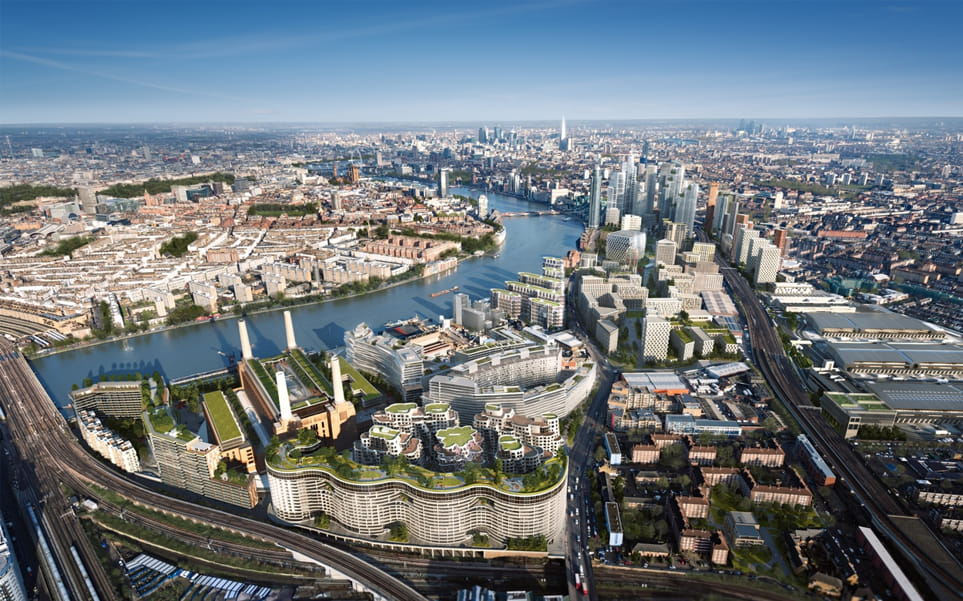
Nine Elms in particular has seen rapid urban renewal, with developments reshaping its skyline and increasing demand for upgraded residential spaces. A wrap-around extension allows homeowners to keep their existing property while aligning it with modern living standards.
Reasons this area suits wrap-around builds:
- Abundance of Victorian and Edwardian housing stock
- Narrow side passages ideal for side-return conversion
- High property value uplift potential after renovation
- Strong demand for open-plan living spaces
- Planning frameworks that support sensitive home improvements
Planning Permission and Design Considerations
Before construction begins, careful planning is required. In many cases, wrap-around extensions fall under permitted development rights, but this depends on size, design, and location. In conservation areas or listed properties within Wandsworth, formal approval is often required.
Key planning factors include:
- Height and depth restrictions
- Impact on neighbouring properties
- Materials used on exterior finishes
- Roof design and drainage planning
- Light access for surrounding homes
Architectural drawings are essential at this stage. They ensure that the proposed structure aligns with both council regulations and structural feasibility.
Working with a structural engineer is also necessary, especially when removing load-bearing walls to create open-plan interiors.
Design Ideas for a Wrap-around Extension
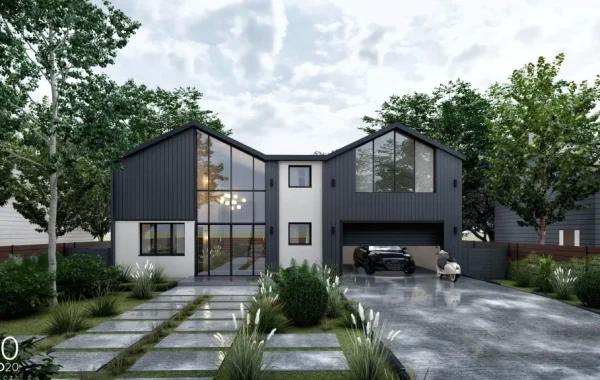
Design plays a major role in how successful the final space feels. Homeowners in Nine Elms and Wandsworth often prioritise light, openness, and practicality.
Popular design directions include:
1. Glass-Centred Living Spaces
Large sliding doors or bi-fold systems connect indoor kitchens with garden areas, making the space feel larger and brighter.
2. Minimal Partition Layouts
Open layouts with subtle zoning such as kitchen islands or flooring changes help define areas without walls.
3. Roof Lantern Features
Glass roof lanterns bring vertical light into deeper sections of the extension, especially useful in narrow plots.
4. Natural Material Finishes
Timber, stone, and matte surfaces create warmth and balance against modern glass and steel elements.
5. Integrated Storage Solutions
Built-in cabinetry reduces clutter and keeps the space visually clean.
Structural Aspects Behind the Build
A wrap-around extension involves more than visual design. Structural integrity is central to the success of the project.
Key construction components include:
- Steel beams to support removed walls
- Reinforced foundations for new load distribution
- Insulated cavity walls for energy efficiency
- Drainage adjustments for expanded footprint
- Thermal glazing systems for improved insulation
Because the extension wraps around two sides of the property, coordination between structural elements is critical to avoid uneven settling or load imbalance.
Cost Factors to Consider
Costs vary depending on size, materials, and internal finishes. In areas like Wandsworth and Nine Elms, pricing tends to be higher due to demand and labour costs in London.
Main cost drivers include:
- Groundwork and foundation adjustments
- Structural steel installation
- Roofing and glazing systems
- Plumbing and electrical relocation
- Interior finishes such as flooring and cabinetry
While investment levels are significant, properties in these locations often see strong value increases after completion, particularly when high-quality finishes are used.
Benefits of a Wrap-around Extension
A well-planned wrap-around extension can change how a home functions on a daily basis.
Key advantages:
- Larger kitchen and dining areas suitable for family life
- Better natural light throughout the ground floor
- Increased property value in competitive London markets
- Improved connection between garden and interior spaces
- Greater flexibility for future interior layout changes
In Wandsworth and Nine Elms, where space is limited, these benefits are especially impactful.
Common Pitfalls to Avoid
While the results can be impressive, certain mistakes can reduce the effectiveness of the project.
Some frequent issues include:
- Overextending the footprint and losing garden space
- Poor placement of natural light sources
- Ignoring ventilation planning in open layouts
- Choosing materials that clash with the original property
- Weak coordination between design and engineering teams
Proper planning at the early stage helps avoid these problems.
Typical Project Timeline
A wrap-around extension usually follows a structured timeline:
- Design and planning phase: 6–12 weeks
- Approval process: 6–10 weeks depending on council
- Construction phase: 12–20 weeks depending on complexity
- Interior finishing: 4–8 weeks
Timelines vary depending on property condition and weather conditions during construction.
Ready to Reimagine Your Home?
If you’re considering a wrap-around extension in Wandsworth or Nine Elms, early planning makes all the difference. A well-designed layout can reshape how your home feels every day while adding long-term value. Studio20 Architects can support the process from early design ideas through to planning and construction coordination.
Speak with a qualified architect or extension specialist to start shaping a space that works around your lifestyle, not the other way around.
Frequently Asked Questions
Do I need planning permission for a wrap-around extension in Wandsworth?
It depends on the size and design. Some projects fall under permitted development, while others require formal approval from the local council.
How long does a wrap-around extension usually take?
Most projects take between 4 and 8 months from construction start to completion, depending on complexity.
Will a wrap-around extension increase property value?
Yes, especially in high-demand areas like Nine Elms and Wandsworth, where open-plan living spaces are highly sought after.
Can I live in my home during construction?
In many cases, yes, but there may be periods of disruption, especially during structural work.
What is the biggest benefit of this type of extension?
The main advantage is the creation of a large, light-filled living space that improves both functionality and comfort.