

Wandsworth Putney Double Storey Extension: Transforming Homes with Smart Space Design

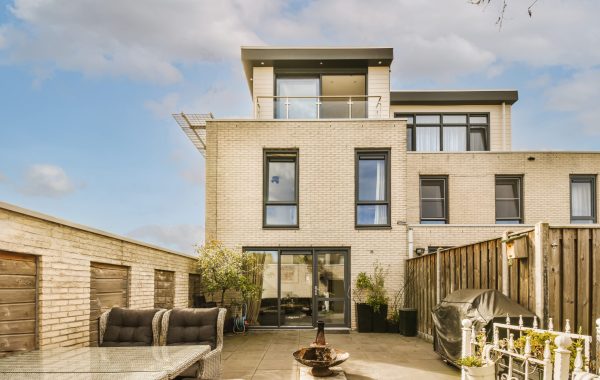
A double storey extension in Wandsworth and Putney has become one of the most effective ways to enhance living space without leaving a much-loved home or neighborhood. With rising property demand in South West London, homeowners are choosing to extend upwards and outwards rather than relocate. This approach allows families to gain extra rooms, improve layout flow, and significantly increase property value while staying rooted in familiar surroundings.
“Did You Know? Homes in South West London with well-designed double storey extensions can gain up to 20–30% more usable living space without altering the original plot size, making them one of the most space-efficient home improvement options in urban residential areas.”
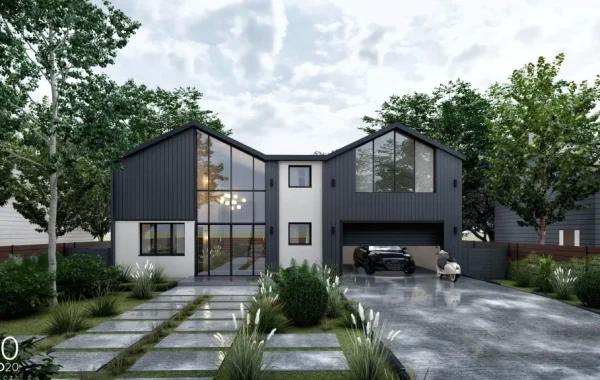
With design support from Studio20 Architects, many homeowners are achieving layouts that balance practicality, natural light, and modern living needs while keeping the character of traditional homes intact.
Whether it’s a growing family, the need for a home office, or simply a desire for more comfort, a two-storey extension can reshape how a home is used day to day. In areas like Wandsworth and Putney, where Victorian and Edwardian houses are common, these extensions are especially popular due to the solid structure and adaptable layouts of older homes.
Key Takeaways
- Double storey extensions add both ground and upper-level living space in one project
- Wandsworth and Putney homes are well-suited for structural expansion
- Popular additions include kitchens, bedrooms, offices, and bathrooms
- Planning permission is often required and must follow local regulations
- Costs depend on size, materials, and design complexity
- Extensions can significantly improve lifestyle comfort and property value
- Careful planning reduces disruption during construction
Why Double Storey Extensions Are Popular in Wandsworth and Putney
Homes in Wandsworth and Putney often feature traditional layouts with limited kitchen space, small rear rooms, and compact upper floors. A double storey extension allows homeowners to expand both levels simultaneously, creating balanced additions that feel integrated with the original structure.
At ground level, many homeowners choose to add larger kitchens, dining areas, or open-plan family spaces. Upstairs, the extension often creates additional bedrooms, bathrooms, or study areas. This balanced expansion makes everyday living more comfortable and practical.
Local property prices also play a role. Instead of moving to a larger house, many residents prefer investing in their existing property. A well-planned extension can significantly improve resale value, making it a long-term financial advantage.
Design Possibilities for a Double Storey Extension
Every home has different needs, and a double storey extension offers flexibility in design. In Wandsworth and Putney, common design choices include:
Open-Plan Kitchen and Dining Area
A spacious kitchen connected to a dining zone creates a central hub for family life. Large windows or sliding doors often bring in natural light, making the space feel larger and more inviting.
Additional Bedrooms
Families often use the upper floor extension to add one or two bedrooms. This is especially useful for growing households or those who want guest rooms.
Home Office Setup
With remote work becoming more common, dedicated office spaces are frequently included in extension plans. A quiet room away from the main living area supports focus and productivity.
En-Suite Bathrooms
Adding an en-suite to a master or guest bedroom increases comfort and adds value to the home. Compact but well-planned layouts make this possible even in smaller footprints.
Rear or Side Extensions
Depending on available land, extensions may be built at the rear or side of the property. Each option offers different advantages based on garden size and building layout.
Planning Considerations in Wandsworth and Putney
Before starting a double storey extension, planning permission and building regulations must be addressed. In Wandsworth and Putney, local councils carefully assess proposals to ensure they fit within neighborhood character and do not negatively impact surrounding properties.
Key factors reviewed include:
- Height and scale of the extension
- Impact on neighboring light and privacy
- Architectural consistency with existing homes
- Use of materials that match or complement the original structure
- Garden space preservation
Some projects fall under permitted development rights, but many double storey extensions require full planning approval due to their size and impact.
Working with experienced architects such as Studio20 Architects helps ensure drawings are accurate, compliant, and aligned with both lifestyle needs and local requirements.
Construction Process Overview
A typical double storey extension follows several key stages:
Initial Assessment
The property is inspected to assess structure, space, and feasibility. Measurements and design goals are discussed.
Design Phase
Architectural plans are created based on the homeowner’s requirements. This stage focuses on layout, lighting, and structural balance.
Approval Stage
Plans are submitted for planning permission and building regulations approval. Adjustments may be required depending on feedback.
Groundwork and Structure
Construction begins with excavation, foundation work, and structural framing. This stage forms the backbone of the extension.
Building the Structure
Walls, floors, and roofing are added. At this stage, the extension becomes visibly connected to the existing home.
Interior Works
Electrical wiring, plumbing, insulation, plastering, and flooring are completed. Interior design choices also take shape.
Final Touches
Painting, fittings, and finishing details complete the transformation, preparing the space for use.
Common Challenges Homeowners Should Prepare For
While a double storey extension brings many advantages, it also comes with challenges that require careful planning.
- Temporary disruption during construction work
- Budget adjustments due to material or design changes
- Weather delays affecting outdoor construction stages
- Coordination between different trades and contractors
- Maintaining access to essential parts of the home during work
Planning ahead and choosing experienced builders helps reduce stress during the process.
Cost Factors for Double Storey Extensions
Costs can vary widely depending on design, size, materials, and structural complexity. In Wandsworth and Putney, where property styles differ significantly, pricing also depends on how much adaptation is needed to match existing architecture.
Main cost factors include:
- Size of extension (square footage)
- Quality of materials used
- Structural reinforcements required
- Plumbing and electrical installations
- Interior finishing standards
- Planning and architectural fees
While initial investment can be significant, many homeowners view it as a long-term improvement that enhances both lifestyle and property value.
Related Blog:- What Is the True Cost of a Double Storey Side Extension?
Benefits of Extending Instead of Moving
Choosing to extend a home instead of relocating offers several lifestyle advantages:
- Avoiding moving expenses and legal fees
- Staying within familiar neighborhoods and schools
- Customizing the home based on personal needs
- Increasing usable living space without changing location
- Improving property value for future resale
For many families in Wandsworth and Putney, these benefits make extension projects a practical decision.
Take the Next Step
If you are planning a Wandsworth or Putney double storey extension, now is the right time to turn ideas into a workable design that fits your home and future needs. A well-planned extension can add valuable space, improve daily comfort, and increase property value when done with the right design approach. Speak with Studio20 Architects to discuss your property, explore layout options, and receive tailored architectural solutions that match your lifestyle and budget. Whether you want a larger kitchen, extra bedrooms, or a dedicated workspace, professional guidance can help shape a home that works better for you and your family.
Frequently Asked Questions (FAQ)
Do I always need planning permission for a double storey extension in Wandsworth or Putney?
Most cases require planning permission, especially if the extension changes the height, shape, or rear footprint of the home. Some smaller projects may fall under permitted development, but approval is still often needed for two-storey structures.
How long does a double storey extension usually take?
On average, construction can take between 4 to 8 months depending on complexity, weather conditions, and approval timelines.
Will a double storey extension add value to my home?
Yes, many properties in Wandsworth and Putney see a noticeable increase in market value after a well-designed extension, particularly when additional bedrooms or bathrooms are added.
Can I live in my home during construction?
In most cases, yes. However, there may be periods of noise, dust, and limited access to certain areas, especially during structural work.
What is the best use of space in a double storey extension?
Ground floors are often used for kitchens and living areas, while upper floors are ideal for bedrooms, bathrooms, or office spaces depending on household needs.