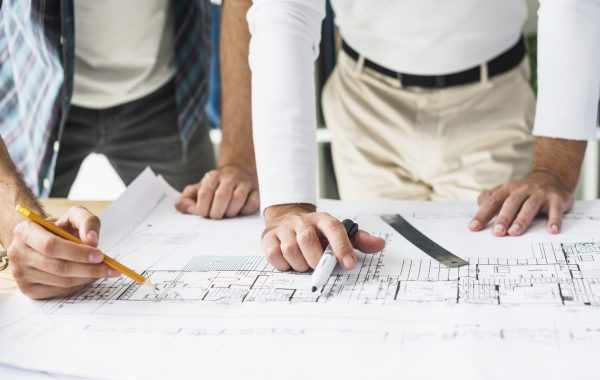



Wandsworth Putney Vale Planning Permission: What Homeowners Must Know Before Starting a Project

Homeowners in Putney Vale often plan extensions, loft conversions, garden rooms, or property renovations to improve space and increase property value. Before starting any structural project, property owners must secure the correct planning permission from the local authority. In this area, the authority responsible for approving planning applications is the Wandsworth Borough Council.
Putney Vale sits within the London Borough of Wandsworth and shares proximity with green spaces and residential communities. Because of its location near the protected landscape of Richmond Park and surrounding residential streets, planning rules may include additional considerations.
Many homeowners work with professional architectural firms such as Studio20 Architects to prepare planning drawings and submit applications correctly. Professional guidance often helps property owners present strong proposals that meet local planning policies.
This blog explains how planning permission works in Putney Vale, which projects require approval, how to apply, and how homeowners can improve their chances of success.
Key Takeaways
- Putney Vale falls under the planning authority of Wandsworth Borough Council.
- Many property developments require planning permission before construction begins.
- Large extensions, roof changes, and new buildings usually require approval.
- Projects near protected areas like Richmond Park or Putney Heath may face stricter regulations.
- Early planning advice, professional drawings, and neighbour communication can increase approval chances.
- Submitting accurate documentation helps reduce delays during the planning process.
Why Planning Permission Matters in Putney Vale
Planning permission ensures that construction projects meet safety standards, respect neighborhood character, and comply with environmental regulations. The planning department of Wandsworth Borough Council reviews each application to confirm that proposed developments do not negatively affect surrounding properties.
Without proper permission, homeowners may face serious issues such as enforcement notices, project delays, financial penalties, or even orders to remove completed structures.
Putney Vale sits within a residential environment with strict development rules. Properties located near Putney Heath or other protected landscapes often require extra scrutiny to maintain the area’s visual and environmental quality.
Architectural firms like Studio20 Architects often assist homeowners in preparing compliant designs that match local building guidelines.
Projects That Usually Require Planning Permission
Not every home improvement project requires planning approval. However, many structural changes do. Homeowners in Putney Vale typically need planning permission for the following types of work:
1. Large Home Extensions
Single-storey rear extensions or double-storey additions may require planning permission depending on their size, height, and proximity to neighbouring properties.
If an extension exceeds permitted development limits, the homeowner must submit a full planning application.
2. Loft Conversions with Structural Changes
Many loft conversions fall under permitted development, but certain designs require permission. Planning approval becomes necessary if the project:
- Extends the roof beyond permitted limits
- Adds large dormer structures facing the street
- Alters the overall roof shape significantly
Homes located close to Richmond Park may also face additional visual impact assessments.
3. New Residential Buildings
Constructing a new property, subdividing a house into flats, or building a detached dwelling in the garden almost always requires planning approval.
Local authorities review such applications carefully because new housing can affect traffic, parking availability, and neighbourhood density.
4. Significant Property Alterations
Major exterior changes also require permission. These include:
- Raising roof heights
- Adding balconies or roof terraces
- Major façade modifications
- Converting garages into living spaces
Each proposal must meet design standards enforced by Wandsworth Borough Council.
5. Development in Protected Areas
Putney Vale sits close to several green spaces and protected landscapes. Homes near Putney Heath or conservation areas must follow additional design rules. Authorities often review materials, building scale, and visual impact more closely.
Projects That May Not Require Planning Permission
Many smaller home improvements fall under “Permitted Development Rights.” These allow homeowners to perform specific types of work without submitting a full planning application.
Examples include:
- Small rear extensions within size limits
- Loft conversions that meet height restrictions
- Internal renovations
- Garden outbuildings below certain sizes
- Minor roof alterations
However, permitted development rights may not apply in certain cases. Flats, listed buildings, and properties in restricted areas often require formal approval regardless of project size.
Property owners should always confirm regulations with Wandsworth Borough Council before starting work.
The Planning Permission Application Process
Applying for planning permission in Putney Vale follows a structured process. Each step requires careful preparation to avoid delays or rejection.
Step 1: Pre-Application Advice
Many homeowners seek pre-application advice before submitting a full proposal. This service allows planning officers to review a concept and highlight potential concerns.
Early feedback helps applicants adjust designs before submitting formal documentation.
Step 2: Prepare Planning Documents
A typical planning application requires several documents, including:
- Architectural drawings
- Site location plans
- Design and access statements
- Planning application forms
- Supporting reports if necessary
Professionally prepared drawings often improve the chances of approval.
Step 3: Submit the Application
Applicants submit planning applications online through the official planning portal used by Wandsworth Borough Council. The council then registers the application and begins the review process.
Step 4: Public Consultation
The council notifies neighbours and local stakeholders. They receive the opportunity to submit comments or objections.
Public consultation helps planners assess whether the development affects nearby properties or the surrounding community.
Step 5: Planning Decision
Planning officers review the application against local development policies and environmental regulations.
The council usually provides a decision within eight weeks for smaller projects and up to thirteen weeks for major developments.
Common Reasons Planning Applications Get Rejected
Even well-intended projects sometimes face rejection. Several factors often lead to unsuccessful applications.
Oversized Extensions
Large extensions that overshadow neighbouring homes often trigger objections. Councils protect access to daylight and prevent excessive building mass.
Design Conflicts
Buildings that clash with the surrounding architectural style may fail to receive approval.
Putney Vale features a consistent residential character that planners aim to preserve.
Privacy Concerns
Balconies, terraces, and large windows may create privacy issues for neighbouring properties.
Planning officers carefully evaluate sightlines and overlook risks.
Environmental Impact
Developments near Richmond Park must protect wildlife habitats and landscape views.
Environmental considerations play a significant role in planning decisions.
Tips for Improving Planning Approval Chances
Homeowners can take several steps to increase the likelihood of planning success.
Hire Experienced Planning Professionals
Architects and planning consultants often know local policies and council expectations. Their input can strengthen project proposals.
Respect Local Design Standards
Projects that match neighbourhood scale, roof lines, and building materials often gain approval more easily.
Communicate with Neighbours
Talking to neighbours before submitting a planning application may reduce objections during consultation.
Use Pre-Application Services
Early feedback from Wandsworth Borough Council can highlight design issues before formal submission.
Provide Clear Supporting Documents
Accurate drawings and planning statements help decision-makers evaluate projects quickly.
Planning Permission Costs
Planning permission fees vary depending on the type and scale of development. Typical costs may include:
- Planning application fees
- Architectural design fees
- Planning consultant fees
- Additional survey costs
Applicants should also budget for potential revisions if the council requests changes.
Start Your Planning Permission Process Today
Planning permission plays a vital role in any property development project in Putney Vale. Proper preparation, strong design proposals, and compliance with council policies can significantly improve approval chances.
Need help with planning drawings or planning applications? Contact our team today and take the first step toward turning your property project into reality.
Frequently Asked Questions
Do all home extensions require planning permission in Putney Vale?
Not always. Smaller extensions that meet permitted development limits may not require planning approval. However, larger structures usually require permission from Wandsworth Borough Council.
How long does it take to get planning permission?
Most household planning applications receive a decision within eight weeks. Larger or more complex projects may take up to thirteen weeks.
Can neighbours object to my planning application?
Yes. The council invites neighbours to submit comments during the consultation period. Planners review these comments when making a decision.
What happens if I build without planning permission?
The council may issue an enforcement notice requiring you to modify or remove the development. In some cases, you may need to submit a retrospective planning application.
Do loft conversions need planning permission in Putney Vale?
Many loft conversions fall under permitted development rights. However, projects that alter the roof structure significantly may require approval.