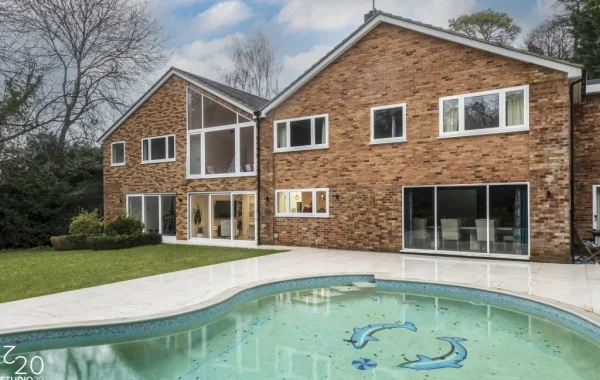


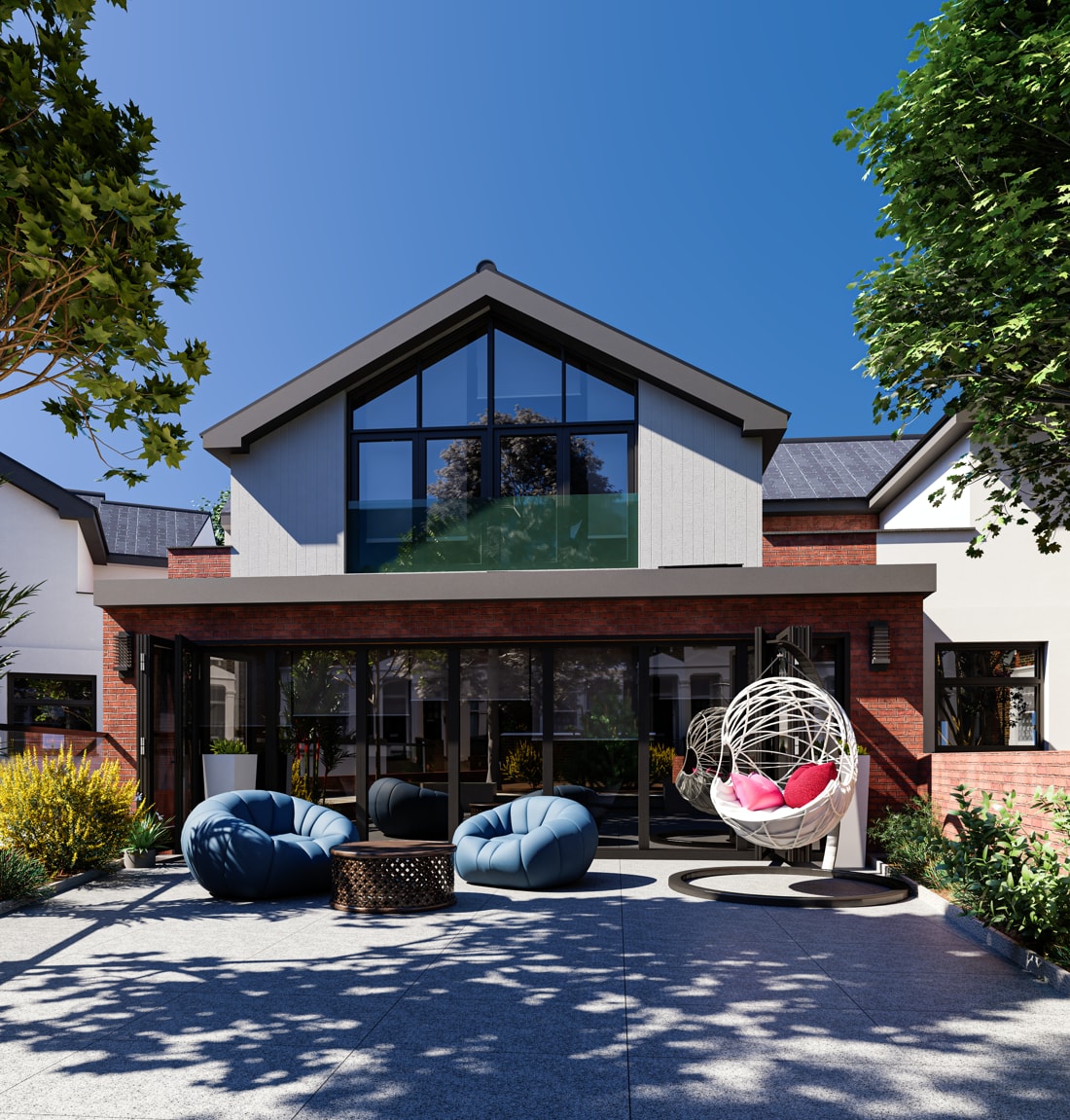

If you’re considering an extension, it’s an exciting way to improve your living space, but costs can spiral without careful financial planning. Setting a realistic single-storey extension budget from the start helps you maintain control and make informed decisions throughout the project.
According to planning guidance published by GOV.UK, many house extensions in England fall under permitted development rights, allowing homeowners to expand without full planning permission if they meet specific criteria.
This makes extensions more accessible, but effective budgeting is still essential to avoid overspending and ensure a smooth, stress-free build.
Key Takeaways
- A clear budget framework is a must for successful project planning.
- Being aware of the costs helps avoid financial surprises.
- Smart design decisions can lead to drastic cost reductions.
- Professional expertise improves cost control and efficiency.
- Regular monitoring keeps your project on track.
Define Your Priorities Early
Before diving into design, be very clear on what you want to accomplish with your extension. Whether it’s a bigger kitchen, open-plan living or more functional space, knowing your needs first will help you spend your money better.
Start with the basics. That way your spending is aligned with your lifestyle goals, not unnecessary upgrades.
Build a Detailed Cost Breakdown
Cost control is about knowing every aspect of your project. A detailed understanding provides clarity and helps you monitor spending at every stage. A comprehensive breakdown should include:
- Architectural design fees
- Planning and approval costs
- Construction and labour
- Materials and finishes
- Contingency allowance
Market Costs and Benchmarks
Many homeowners start by asking “how much does a home extension cost?” but the answer depends on several variables such as size, complexity and location.
Looking at Single Storey Extension Costs in the UK gives you a realistic yardstick and avoids underestimating your budget. Knowing the price ranges will help you plan with confidence and avoid financial surprises.
Set Aside a Contingency Fund
Construction projects almost always incur unexpected costs. When you allocate a contingency fund usually about 10 to 15 percent of your total budget you prepare for unforeseen expenses. This financial cushion helps keep your project on track without sacrificing quality or design.
Cost Efficiency Optimization Design
Smart design choices can greatly cut costs without compromising quality. Efficient layouts reduce the number of structural changes and material consumption.
Our professionals will work with you to make sure your design maximises space within budget, balancing aesthetics and practicality.
Select Your Materials Carefully
The choice of material will directly affect the total cost. High-end finishes can enhance your design, but they can also increase your costs.
Some of the more expensive elements help with cost control while still maintaining quality, creating a balanced approach that uses durable, affordable materials.
Gradual Expenditure Plan
By dividing your project into phases, you have greater control of the money. This way you can concentrate on the most important areas and control your cashflow better.
It also gives flexibility to change plans if needed without affecting the entire project.
Avoid Late Design Changes
Changes made during construction can be expensive and disruptive. Finishing your design before work starts will reduce the chance of any extra costs.
Early planning and decision-making helps in budget stability.
Work with Experienced Professionals
Selecting the best architects for home extensions London will make your project run smoothly from start to finish. Expertise is important for providing a successful, cost-effective extension. Professionals with experience can:
- Provide accurate cost estimates
- Optimise design for budget control
- Ensure compliance with regulations
- Reduce costly mistakes
Track Costs While Project is Running
Managing the budget doesn’t end when construction starts. Reviewing expenses regularly and monitoring progress helps to identify potential problems early.
Remaining involved and informed will help to keep your project on track with your financial plan.
Quality vs. Cost Balance
You want to be conscious of your budget, but overspending can result in poor results. What you get is long term value from investing in quality where it counts – structure and core design.
Knowing the single storey extension costs will help you get the right balance between affordability and durability.
Build Smart with Studio20 Architects
Want to take control of your extension budget with confidence and precision? Studio20 Architects offers professional design & planning solutions to suit your needs. From initial budgeting to final delivery, Studio20 Architects ensures your project is efficient, cost effective and designed to maximise both value and living space.
FAQs
How do I set a realistic budget for a single storey extension
First figure out your priorities and start researching average costs. Add all project components and include a contingency fund for unforeseen costs.
What is the biggest cost factor in an extension project
Construction and materials are usually the biggest part of the budget, followed by design fees and then labour.
How can I reduce extension costs without compromising quality
Work smart when designing. Use materials that are cost-effective. Don’t change things mid-build. Quality is important, but you can keep it within budget.
Do I need an architect for a small extension
You don’t have to hire an architect, but they can help you avoid costly mistakes, ensure your design is efficient, your budget is appropriate and that you comply with regulations.
How often should I review my budget during the project
Regular reviews at each step of the project help you monitor costs, identify issues early and keep the project within the budget.