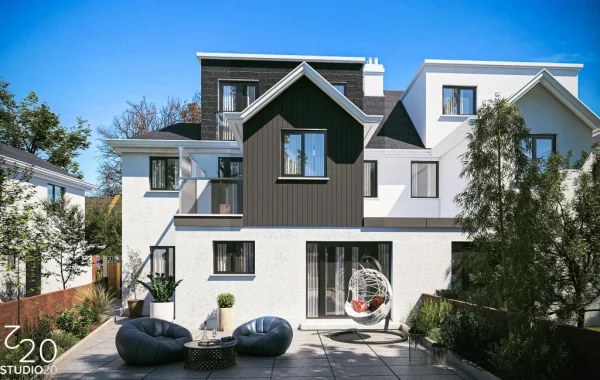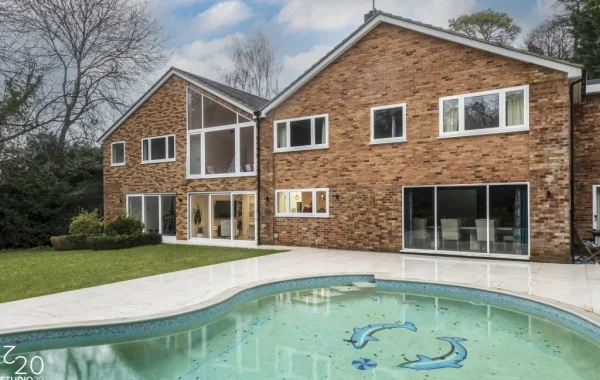


Wandsworth Furzedown Building Regulations for Homeowners Planning Projects

Planning any kind of building work in Furzedown, Wandsworth comes with responsibilities that go far beyond design and budgeting. Whether you’re adding a rear extension, converting a loft, or renovating a period home, building regulations play a central role in how your project moves forward. Ignoring them or getting them wrong can lead to costly delays, legal issues, or even having to undo completed work.
This blog breaks down what these regulations involve, how they apply locally in Furzedown, and what steps you should take to stay compliant while keeping your project on track.
“Did You Know? Many homeowners assume that using a contractor automatically guarantees compliance. In reality, the responsibility still lies with the property owner. Even if a builder makes a mistake, you could be held accountable for non-compliant work.”
Key Takeaways
- Building regulations are mandatory for many home improvement projects in Furzedown
- They focus on safety, structure, and energy efficiency
- Planning permission and building regulations are separate requirements
- Inspections take place at different construction stages
- Older properties may need additional upgrades to meet standards
- Working with professionals reduces risks and ensures smoother approval
- A completion certificate is essential after finishing the project
Why Building Regulations Matter in Furzedown
Building regulations are not just paperwork. They ensure that any construction work meets essential standards related to safety, energy efficiency, and structural stability. In a residential area like Furzedown, where a mix of older properties and modern developments exist side by side, compliance becomes even more critical.
Local authorities in Wandsworth closely monitor construction projects to maintain the safety and character of the area. Whether you’re upgrading insulation or altering structural walls, your work must align with approved standards.
Types of Projects That Require Approval
Not every small change needs approval, but many common home improvement projects do. In Furzedown, you’ll likely need building regulation approval if you’re planning:
- Loft conversions
- Home extensions (rear, side, or wraparound)
- Structural alterations such as removing load-bearing walls
- Garage conversions
- Electrical rewiring
- Plumbing changes involving drainage systems
- Window replacements (if not covered by a certified installer)
Even smaller upgrades can require compliance if they affect energy performance or fire safety.
Key Areas Covered by Building Regulations
When submitting plans or arranging inspections, your project will be assessed across several technical areas.
Structural Safety
All building work must ensure that the structure can support itself safely. This includes foundations, beams, and load-bearing walls.
Fire Safety
This is especially important for loft conversions and multi-storey homes. Escape routes, fire-resistant materials, and alarms must be properly planned.
Energy Efficiency
New builds and extensions must meet insulation standards to reduce energy consumption. This includes walls, roofs, floors, and windows.
Ventilation
Proper airflow is essential in kitchens, bathrooms, and newly built spaces to prevent dampness and mould.
Drainage and Waste Disposal
Any plumbing work must connect safely to existing systems and avoid contamination risks.
Electrical Safety
Electrical installations must comply with certified standards and are often required to be carried out by registered professionals.
Planning Permission vs Building Regulations
A common mistake among homeowners is assuming that planning permission and building regulations are the same thing. They are not.
- Planning permission deals with how your project looks and how it affects the surrounding area.
- Building regulations focus on how the project is constructed and whether it is safe and efficient.
You may need both approvals, depending on your project. For example, a loft conversion might not need planning permission but will still require building regulation approval.
The Approval Process in Wandsworth
There are two main ways to get building regulation approval in Furzedown:
Full Plans Application
This involves submitting detailed drawings and specifications before starting work. The council reviews everything and provides approval before construction begins.
Best for: Larger or more complex projects.
Building Notice
This is a quicker route where you notify the council before starting work without submitting full plans. Inspections are carried out during construction.
Best for: Smaller, straightforward jobs.
Inspections During Construction
Once your project is underway, building control officers will visit at different stages to ensure compliance. These inspections typically happen at:
- Foundation stage
- Structural framework completion
- Insulation installation
- Final completion
Missing an inspection can lead to delays or complications when applying for your completion certificate.
Challenges Specific to Furzedown Properties
Furzedown is known for its mix of Edwardian and mid-20th-century homes. These properties often come with unique construction features that require special attention.
Older Structures
Older homes may not meet modern structural or insulation standards, which means upgrades are often required when making changes.
Shared Walls
Many properties are terraced or semi-detached, so party wall agreements may also be needed alongside building regulations.
Space Constraints
Limited garden or rear space can impact extension designs and require careful structural planning.
Common Mistakes to Avoid
Even well-planned projects can run into trouble if certain steps are overlooked. Here are some frequent issues homeowners face:
- Starting work without approval
- Hiring contractors unfamiliar with local regulations
- Ignoring fire safety requirements in loft conversions
- Skipping inspections
- Using non-compliant materials
Avoiding these mistakes can save both time and money.
Working With Professionals
Handling building regulations on your own can be overwhelming, especially if your project involves structural changes. Working with architects and experienced professionals ensures that your plans meet all necessary standards from the start.
They can also coordinate with engineers, surveyors, and local authorities, reducing the risk of errors or delays.
Costs Involved
Building regulation costs vary depending on the size and complexity of your project. Typically, you’ll pay for:
- Application fees
- Inspection charges
- Professional drawings and calculations
While it might seem like an added expense, proper compliance helps avoid far more expensive problems later.
Completion Certificate
After all work is finished and approved, you’ll receive a completion certificate. This document is essential because:
- It proves your project meets legal standards
- It is required when selling your property
- It gives peace of mind that your home is safe
Without this certificate, future property transactions can become complicated.
Ready to Start Your Project?
If you’re planning a home improvement project in Furzedown and want everything handled correctly from day one, professional guidance makes all the difference.
Studio20 Architects can help you design, plan, and manage your project while ensuring full compliance with Wandsworth building regulations. From initial concepts to final approvals, their team supports you at every stage.
Get in touch with Studio20 Architects today and take the first step toward a smoother, stress-free building experience.
FAQs
Do I need building regulations for a small home renovation?
It depends on the type of work. Cosmetic changes usually don’t require approval, but anything involving structure, plumbing, or electrics often does.
How long does approval take in Wandsworth?
Full plans applications can take several weeks, while building notices allow quicker starts but still require inspections during construction.
Can I start building without approval?
Starting without approval is risky and can lead to fines or having to undo completed work.
Who checks if my project meets regulations?
Local authority building control officers or approved inspectors carry out checks at different stages.
What happens if my work doesn’t comply?
You may need to make corrections, and in serious cases, parts of the construction may need to be removed or rebuilt.