

Wandsworth Nine Elms Change of Use: Planning Shifts Shaping London’s Riverfront

Nine Elms has become one of London’s most rapidly transforming districts, with cranes, redeveloped warehouses, and new residential blocks redefining the skyline. Within this evolving landscape, “change of use” applications in Wandsworth play a central role in how buildings shift from industrial and commercial functions to residential, mixed-use, hospitality, and community spaces.
“Did You Know? Nine Elms was once one of London’s largest industrial districts, filled with factories, power stations, and warehouses. Today, many of those same structures are being adapted into luxury apartments, cultural venues, and modern commercial spaces through approved change of use applications.”
The planning decisions behind these transitions are not just paperwork; they influence housing supply, local employment patterns, transport demand, and the overall identity of the area. Wandsworth Council, alongside Greater London planning frameworks, sets the direction for how these conversions happen within Nine Elms and surrounding zones.
Key Takeaways
- Change of use in Wandsworth Nine Elms plays a major role in urban redevelopment
- Most applications involve conversions between commercial, industrial, and residential uses
- Wandsworth Council evaluates proposals based on housing need, transport impact, and local economy
- Nine Elms is one of London’s highest-density regeneration zones, increasing planning complexity
- Infrastructure capacity and sustainability requirements strongly influence approval outcomes
- The area is shifting from industrial heritage toward mixed residential and commercial living
- Community services and transport systems remain central to planning decisions
What “Change of Use” Means in Nine Elms Context
A change of use refers to altering how a building or land is legally utilised. In Nine Elms and wider Wandsworth, this often involves:
- Offices becoming residential apartments
- Industrial units shifting into creative studios or retail spaces
- Warehouses repurposed into hospitality venues or cultural hubs
- Ground-floor commercial units converted into cafés, clinics, or community services
Because Nine Elms sits within a major regeneration corridor, these applications are frequent and closely reviewed.
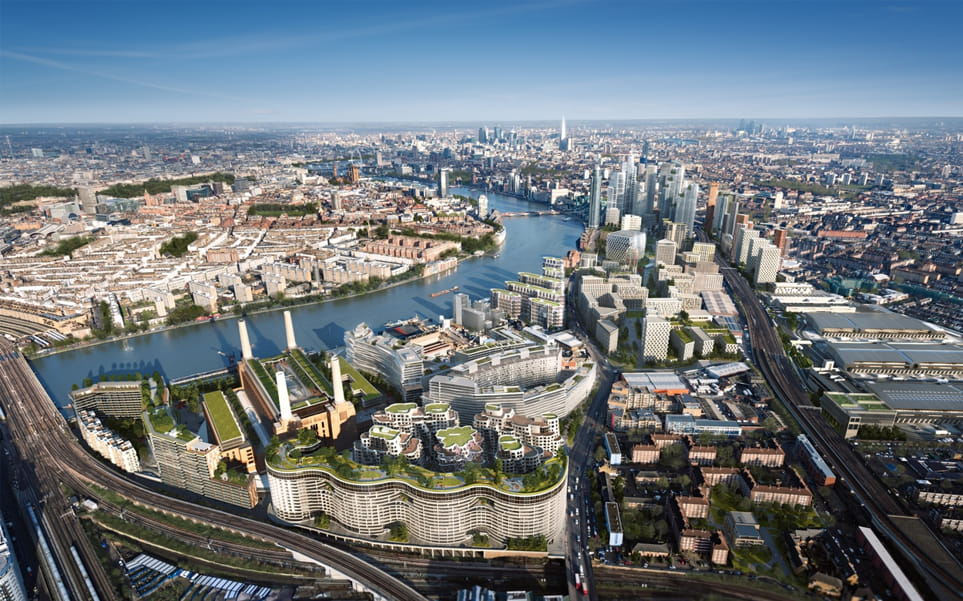
The area is part of a wider transformation zone stretching from Battersea to Vauxhall, where former industrial land is gradually reshaped into a mixed urban district.
Planning Context in Wandsworth and Nine Elms
Wandsworth Council evaluates change of use applications under local planning policies and the London Plan. The aim is to balance growth with liveability.
In Nine Elms specifically, planning officers often weigh:
- Housing demand versus employment space protection
- Impact on transport infrastructure like the Northern Line Extension
- Preservation of designated employment zones
- Provision of affordable housing contributions
- Effects on daylight, privacy, and density
Developers working in this area usually engage in pre-application discussions before submitting formal proposals. This step helps align projects with borough expectations and reduces delays during approval stages.
Why Change of Use Applications Are Increasing Here
Several factors have contributed to the rise of conversion applications in Nine Elms:
1. Regeneration Momentum
Large-scale projects such as Battersea Power Station redevelopment have increased investor interest in surrounding plots.
2. Shift in Work Patterns
Reduced demand for traditional office spaces has opened opportunities for residential conversion.
3. Housing Pressure in London
Wandsworth continues to face strong housing demand, making underused commercial buildings attractive for redevelopment.
4. Infrastructure Growth
Transport improvements, including new Tube access and bus routes, have made residential living more practical in previously industrial areas.
Related Blog:- Step-by-Step Guide to Applying for Change of Use Planning Permission
Key Considerations in Approval Decisions
Change of use approval is not automatic. Several criteria shape whether an application moves forward:
Density and Urban Form
Nine Elms already features high-density developments. Additional residential conversions must not overload services or reduce livability.
Impact on Local Economy
Loss of employment floorspace is closely reviewed, especially where industrial or office spaces support local jobs.
Transport Capacity
With rising population density, pressure on nearby stations, roads, and cycle routes is assessed carefully.
Design Quality
Converting older buildings often requires structural adaptation. The visual impact on the surrounding streetscape matters significantly.
Community Services
Schools, healthcare facilities, and public amenities must be able to support additional residents.
Types of Change of Use Common in Nine Elms
Several conversion patterns appear repeatedly across planning applications:
Commercial to Residential
Older office blocks are often converted into apartments or mixed-use residential schemes.
Industrial to Creative Spaces
Former warehouses now host design studios, small production units, or co-working environments.
Retail to Hospitality
Ground-floor retail units shift toward cafés, restaurants, and leisure-focused businesses.
Mixed-Use Redevelopment
Large sites often combine housing, retail, and public amenities in a single project.
Impact on Local Community and Urban Identity
The shift in building usage across Nine Elms has reshaped daily life in the area.
Housing Availability
More residential units have helped address some housing demand pressures, although affordability remains a key concern.
Employment Shifts
While residential growth is strong, concerns remain about reduction in traditional employment spaces.
Street Activity
Increased population density has led to busier streets, more retail demand, and extended activity hours.
Cultural Shift
Former industrial identity is gradually replaced by a modern riverside residential and commercial environment.
Challenges Linked to Change of Use in Wandsworth
Despite its benefits, the process is not without complications:
- Limited availability of affordable housing within conversions
- Strain on transport during peak hours
- Loss of long-standing industrial or office spaces
- Planning delays due to complex assessments
- Infrastructure pressure on schools and healthcare services
These factors often require mitigation strategies, including developer contributions or phased construction plans.
Nine Elms Regeneration and Planning Balance
Nine Elms sits at the heart of one of Europe’s largest regeneration projects. The goal is to create a balanced urban district where residential, commercial, and cultural uses coexist.
Wandsworth Council works with developers to ensure:
- Active ground-floor spaces support street life
- New developments integrate with existing neighbourhoods
- Public realm improvements accompany private investment
- Employment opportunities are not entirely displaced
Change of use applications act as one of the key tools in achieving this balance.
Role of Sustainability in Conversion Projects
Environmental considerations are now central to planning approval decisions. In Nine Elms, this includes:
- Retrofitting older buildings instead of demolition where possible
- Improving energy efficiency in converted structures
- Incorporating green roofs and sustainable drainage systems
- Enhancing cycling and walking infrastructure access
These elements contribute to long-term environmental performance of the district.
Planning a property conversion or investment in Wandsworth Nine Elms? A well-prepared change of use application can make a significant difference in approval success. Consulting experienced professionals such as Studio20 Architects can help refine design proposals, improve planning compliance, and increase the likelihood of approval. Speak with a planning advisor today to assess your project potential before moving forward.
Frequently Asked Questions (FAQ)
What is a change of use application in Wandsworth?
It is a formal planning request to alter how a building is used, such as converting offices into homes or warehouses into retail or residential spaces.
Why is Nine Elms a focus area for conversions?
Nine Elms is undergoing large-scale regeneration, making it a prime location for redevelopment of older commercial and industrial properties.
Does every change of use require planning permission?
Not always. Some minor changes fall under permitted development rights, but most major conversions in Nine Elms require formal approval.
How long does approval usually take?
Timelines vary, but complex applications in high-density areas like Nine Elms often take several weeks to a few months.
What are common reasons for refusal?
Applications may be refused due to transport strain, loss of employment space, poor design quality, or insufficient community infrastructure support.