

Luxury Flat Conversions in Wandsworth Nine Elms, London

The residential landscape across South West London has shifted sharply over the last decade, with Wandsworth and the nearby Nine Elms regeneration zone becoming key hotspots for property transformation. Flat conversion projects in this area are now a common choice for homeowners seeking better use of existing structures, improved layouts, and stronger property value within a fast-moving urban setting.
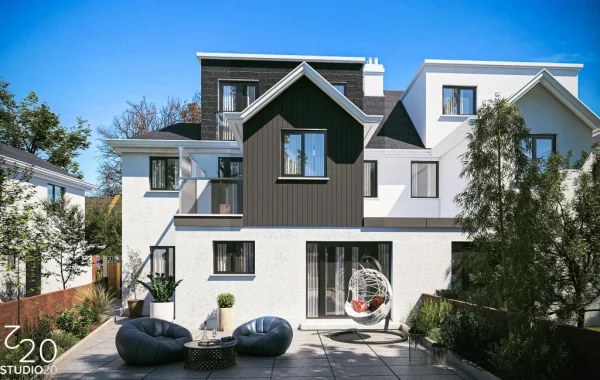
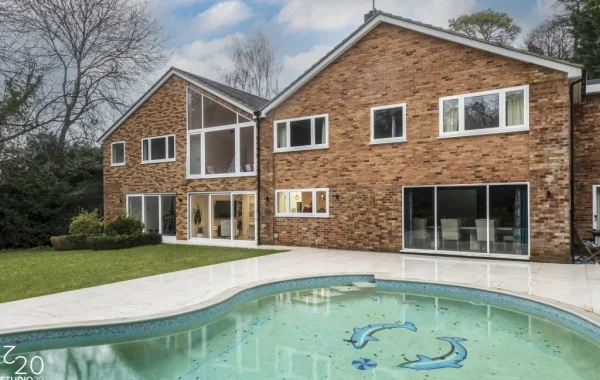
The mix of older Victorian and Edwardian buildings in Wandsworth, combined with modern developments rising in Nine Elms, creates strong potential for reworking internal layouts. Flat conversion work here is not limited to cosmetic changes. It often involves structural redesign, reconfiguration of rooms, and conversion of single dwellings into multiple self-contained units.
“Did you know? A large number of converted flats in South West London were originally built before the 1900s, meaning many projects require careful preservation of original architectural features while adding modern facilities. In some Wandsworth streets, properties still retain original brickwork and timber structures that are over a century old, now adapted into multiple modern living units.”
Demand continues to grow as residents aim to adapt homes for rental income, multi-generational living, or long-term investment returns. At the same time, planning rules and local authority requirements in the area shape how such projects move forward.
Key Takeaways
- Wandsworth and Nine Elms show strong demand for flat conversion projects
- Planning permission plays a central role in project approval
- Design decisions strongly influence usability and long-term value
- Older buildings often require structural upgrades before conversion
- Costs vary widely depending on materials, labour, and building condition
- Converted flats often achieve strong rental demand due to location benefits
- Energy efficiency improvements are now standard in modern conversions
Rising demand for flat conversion in Wandsworth and Nine Elms
The area around Nine Elms and Wandsworth has seen major residential activity due to regeneration projects, improved transport links, and increasing housing needs.
Many older properties in Wandsworth were originally built as single-family homes. These buildings now attract interest for internal division into flats or studio units. Rising property prices across London also push homeowners to make better use of available space instead of relocating.
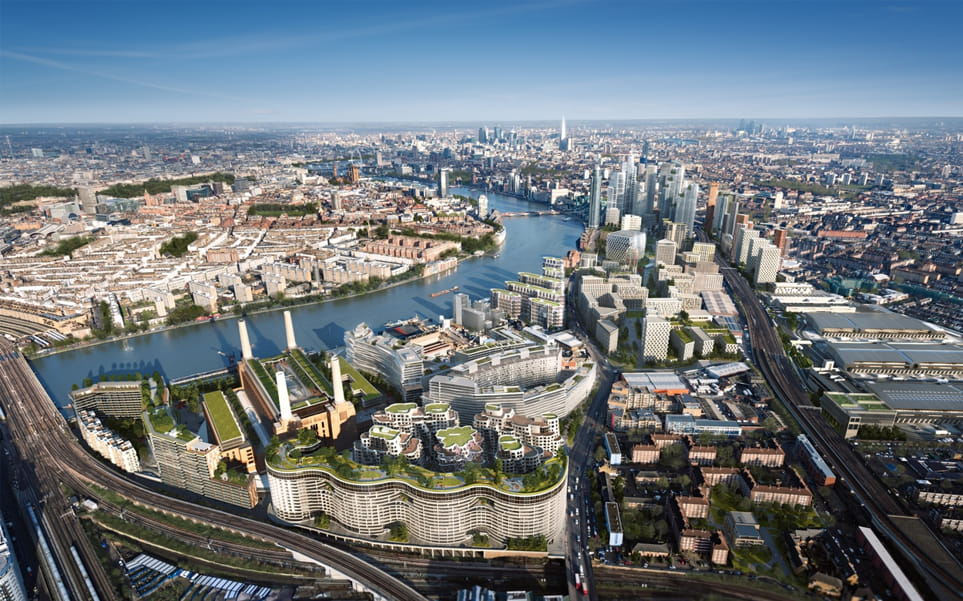
Nine Elms, with its new riverside developments and commercial expansion, adds further pressure on nearby housing stock. As a result, flat conversion projects often focus on maximising internal space efficiency while meeting modern living expectations.
Planning rules and permissions
Flat conversion work in this region is closely tied to local planning regulations. Any change that affects building structure, external appearance, or usage classification may require approval from the local authority.
In Wandsworth, permission is often needed when:
- Converting a single dwelling into multiple flats
- Altering shared access points or entrances
- Changing window placements or external walls
- Adding new plumbing or electrical layouts affecting structure
Sound insulation requirements also play a major role, especially in converted flats. Regulations ensure that each unit meets minimum living standards, ventilation requirements, and fire safety conditions.
Working with planning officers early in the process helps avoid delays later during construction.
Design choices that shape conversion outcomes
Design decisions in flat conversion projects often determine long-term comfort and property value. In Wandsworth and Nine Elms, properties vary widely in age and layout, which means each project requires a tailored approach.
Common design priorities include:
- Creating clear separation between living and sleeping zones
- Maximising natural light through internal reconfiguration
- Adding compact but functional kitchens
- Designing bathrooms that fit limited space without overcrowding
- Ensuring sound insulation between floors and units
Open-plan layouts are frequently used in converted flats, especially for smaller units. However, older properties may require structural reinforcement before walls are removed or repositioned.
Architects working in this area often balance heritage features with modern finishes, keeping original elements like fireplaces or cornices where possible.
Construction stages in flat conversion projects
A typical flat conversion project in Wandsworth or Nine Elms follows a structured set of stages:
1. Initial assessment
Surveying the building condition, structural stability, and layout suitability.
2. Design planning
Preparing floor plans, layout changes, and room allocations.
3. Approval process
Submitting plans for local authority review and obtaining permissions.
4. Structural work
Carrying out wall removal, reinforcement, and internal reconfiguration.
5. Installation phase
Adding plumbing, wiring, heating systems, and insulation layers.
6. Interior finishing
Flooring, painting, fixtures, and final fittings.
Each stage must align with safety standards and building regulations. Coordination between contractors, engineers, and planners is essential to maintain progress without disruption.
Cost factors in flat conversion work
Costs for flat conversion projects in Wandsworth and Nine Elms vary widely depending on property size, structural complexity, and design choices.
Key cost drivers include:
- Structural alterations such as wall removal or reinforcement
- Upgrading electrical and plumbing systems
- Soundproofing between separate units
- Compliance with fire safety regulations
- Interior finish quality and material selection
Older buildings often require additional investment due to hidden issues such as damp, outdated wiring, or weakened foundations. Labour costs in London also contribute significantly to overall budgets.
Despite these expenses, well-executed conversions often increase property value and rental potential in the long term.
Common challenges during conversion projects
Flat conversion work in this part of London can present several practical challenges:
- Limited internal space in older properties
- Strict planning approval conditions
- Noise restrictions during construction
- Unexpected structural issues during renovation
- Coordination between multiple contractors
In areas close to Nine Elms regeneration sites, construction activity nearby can also affect timelines. Managing expectations around scheduling becomes important, especially when dealing with older housing stock that may not match modern building standards.
Property value and rental potential
Converted flats in Wandsworth and Nine Elms often attract strong demand from renters due to location advantages and transport access. The nearby Northern Line extension and improved bus networks make commuting into central London straightforward.
Well-designed conversion projects can increase rental yields compared to traditional single-family rentals. Smaller units, studio flats, and one-bedroom conversions are particularly sought after by professionals and students.
Property resale value also tends to rise when conversions are carried out with quality materials and proper compliance. Buyers often prefer ready-to-move-in units that require minimal further work.
Sustainability and modern building standards
Modern flat conversions increasingly include energy-efficient upgrades. In Wandsworth and Nine Elms, many projects now incorporate:
- Improved insulation materials
- Double or triple-glazed windows
- Energy-efficient heating systems
- LED lighting installations
- Water-saving bathroom fixtures
These upgrades not only reduce long-term utility costs but also help meet current environmental standards expected in London housing developments.
Sustainable design choices are becoming more common in both private and investor-led conversion projects across the area.
Planning a flat conversion in Wandsworth or Nine Elms requires careful coordination between design, approvals, and construction stages. A well-prepared approach helps shape a property that meets both practical living needs and long-term investment goals. For homeowners considering such a project, early consultation with architects and local planning teams can set a clear path forward.
Thinking about reshaping a property in Wandsworth or Nine Elms? A well-planned flat conversion can significantly improve space quality and long-term value. Connect with Studio20 Architects to assess your property’s potential and shape a layout designed for modern city living.
Frequently Asked Questions
Do all flat conversions in Wandsworth require planning permission?
Most conversions involving structural changes or creation of multiple units require approval from the local authority. Minor internal changes may not, but building regulations still apply.
How long does a typical flat conversion take?
Timelines vary, but many projects take between 3 to 9 months depending on complexity, approvals, and construction scale.
Are older properties suitable for conversion in Nine Elms and Wandsworth?
Yes, many Victorian and Edwardian homes are commonly converted, though they often need structural upgrades and compliance improvements.
Does flat conversion increase property value?
Well-executed conversions can raise both rental income potential and resale value, especially in high-demand areas like Wandsworth.
What type of flats are most common after conversion?
Studio apartments and one-bedroom units are most frequently created due to space efficiency and rental demand.