

Wandsworth Nine Elms Loft Conversion: Smart Ways to Add Space and Value in London Homes

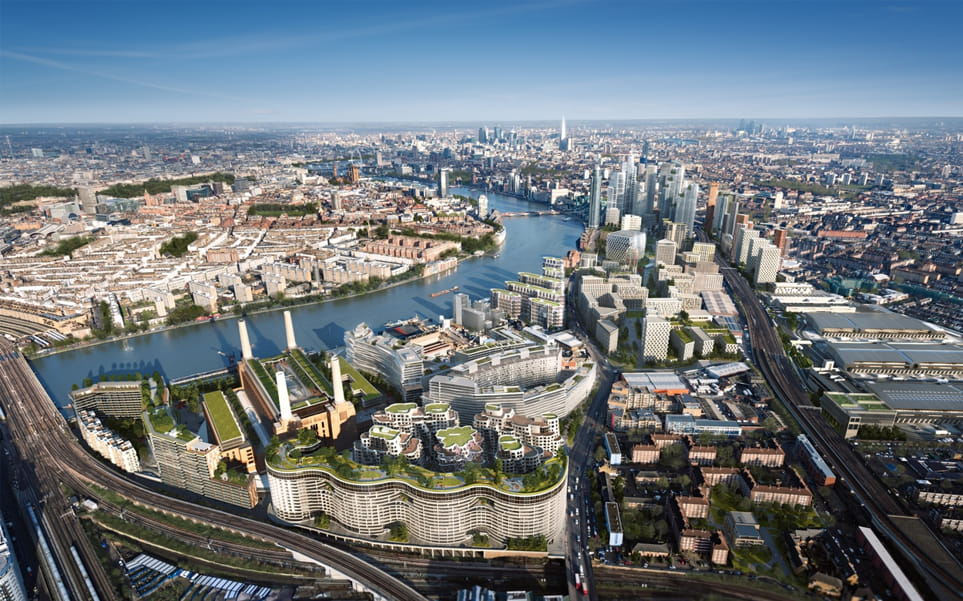
Homes across London often face the same challenge: limited space with growing needs. In areas like Wandsworth and Nine Elms, loft conversions have become a practical way to create extra living space without changing the footprint of the property. From adding an extra bedroom to creating a quiet workspace, the loft area often holds untapped potential.
“Did You Know? A well-designed loft conversion can add up to 20–25% more usable space to a London home without expanding its footprint outward. In high-demand areas like Wandsworth and Nine Elms, this can significantly change how buyers view a property.”
This blog focuses on how loft conversions in Wandsworth and Nine Elms work, what homeowners should consider, and how these projects typically take shape in modern London housing.
Key Takeaways
- Loft conversions add valuable living space in Wandsworth and Nine Elms homes
- Several design types exist, each suited to different property structures
- Building regulations approval is required even if planning permission is not
- Proper design improves comfort, lighting, and usability
- Costs vary but often increase property value over time
- Planning and structural assessment reduce risks during construction
Why Loft Conversions Matter in Wandsworth Nine Elms
Property prices in London continue to remain high, making moving to a larger home less appealing for many residents. In response, homeowners are turning to loft conversions as a way to add usable space within their existing homes.
In Wandsworth and Nine Elms, housing styles range from Victorian terraces to modern apartments and townhouses. Many of these buildings include attic spaces that can be transformed into functional rooms such as:
- Bedrooms with en-suite bathrooms
- Home offices
- Creative studios
- Guest rooms
- Storage-rich utility areas
The appeal lies in making better use of space that already exists rather than extending outward.
Popular Types of Loft Conversions
Different property structures require different approaches. Here are the most commonly used loft conversion styles in Wandsworth and Nine Elms:
1. Dormer Loft Conversion
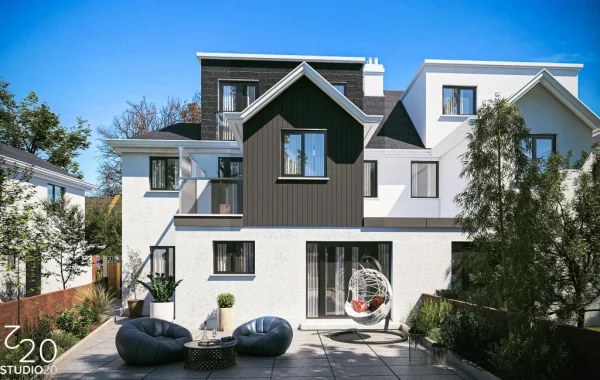
A dormer extension adds a box-shaped structure to increase headroom and floor space. It is one of the most common choices for terraced houses in London.
2. Hip to Gable Conversion
This method extends the sloping side of the roof into a vertical wall, creating more internal volume. It works well for semi-detached and end-of-terrace homes.
3. Mansard Conversion
A mansard conversion involves altering the roof structure to create a nearly vertical wall with a flat roof. It often provides maximum usable space but requires more construction work.
4. Velux Conversion
This is the simplest option, where roof windows are installed without changing the roof shape. It suits lofts that already have enough headroom.
Each type offers different space outcomes depending on the property layout.
Planning Permission and Building Rules
In many cases, loft conversions fall under permitted development rights, meaning formal planning permission may not be required. However, this depends on:
- Property type and location
- Roof alteration size
- Whether the home is in a conservation area
- Structural changes involved
Even when planning permission is not needed, building regulations approval is mandatory. These rules ensure:
- Structural safety
- Fire escape routes
- Insulation standards
- Staircase safety
- Proper ventilation
Working with professionals familiar with local requirements in Wandsworth and Nine Elms helps avoid delays or redesigns.
Design Considerations for Loft Spaces
A loft conversion is not just about adding space—it is also about making that space usable and comfortable. Key design elements include:
Natural Light
Roof windows, skylights, and dormer windows help bring daylight into the loft, reducing reliance on artificial lighting.
Staircase Placement
A well-planned staircase is essential. It should connect smoothly with the existing layout without taking too much space from lower floors.
Insulation and Temperature Control
Lofts can become too warm in summer and too cold in winter without proper insulation. Thermal materials help regulate indoor comfort.
Storage Solutions
Eaves storage and built-in cupboards help maximize every corner of the space.
Layout Planning
Furniture placement must consider sloped ceilings and head height restrictions.
Cost Factors of Loft Conversion Projects
Costs vary depending on design complexity and property type. Some key factors include:
- Type of loft conversion selected
- Structural modifications required
- Quality of materials used
- Labour and specialist work
- Electrical and plumbing installations
Additional costs may arise if the roof needs reinforcement or if plumbing is extended for bathrooms.
While pricing differs across London, loft conversions are often seen as a strong long-term investment, especially in areas like Wandsworth and Nine Elms where property demand remains high.
Benefits of Loft Conversion in London Homes
Homeowners choose loft conversions for several reasons:
- Increased living space without relocation
- Higher property value
- Flexibility in room usage
- Better use of existing structure
- Improved rental potential for investors
In many London properties, adding a loft room can significantly change how a home functions day to day.
Common Challenges During Loft Projects
Although loft conversions are popular, they come with practical challenges:
- Limited headroom in older properties
- Structural reinforcement requirements
- Access difficulties during construction
- Noise and disruption during building work
- Design restrictions in protected areas
Proper planning at the beginning helps reduce unexpected issues during construction.
Project Timeline Overview
A typical loft conversion follows these stages:
- Initial inspection and feasibility check
- Design planning and drawings
- Approval for building regulations
- Structural work and roof modifications
- Installation of windows, insulation, and flooring
- Interior finishing such as plastering and painting
Depending on complexity, the project may take several weeks to a few months.
Ready to Transform Your Loft Space?
A loft conversion can reshape how a home is used every day, offering more comfort, flexibility, and long-term value. Homeowners in Wandsworth and Nine Elms often consult specialists such as Studio20 Architects to plan layouts that fit both structural limits and lifestyle needs.
Frequently Asked Questions
Do all homes in Wandsworth and Nine Elms qualify for loft conversion?
Not every property is suitable. Roof height, structure, and layout must be assessed before work begins.
How long does a loft conversion usually take?
Most projects take between 6 to 12 weeks depending on complexity and design.
Will a loft conversion increase property value?
Yes, many homes see an increase in value, especially when an additional bedroom or bathroom is added.
Can I use the loft as a rental space?
In some cases, yes, but it must meet safety and building regulation standards.
What is the most cost-effective loft conversion type?
Velux conversions are usually the least expensive since they require minimal structural changes.