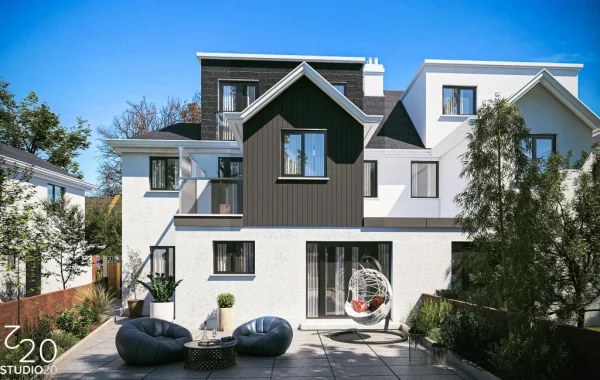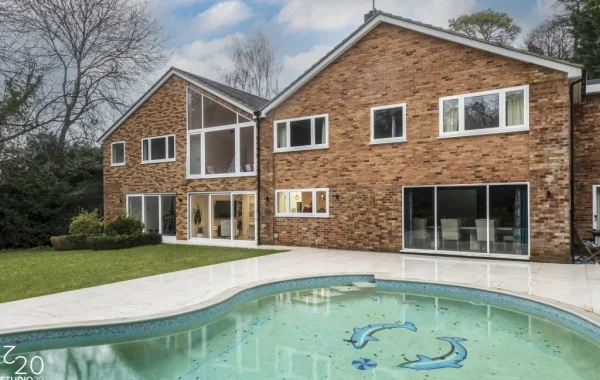


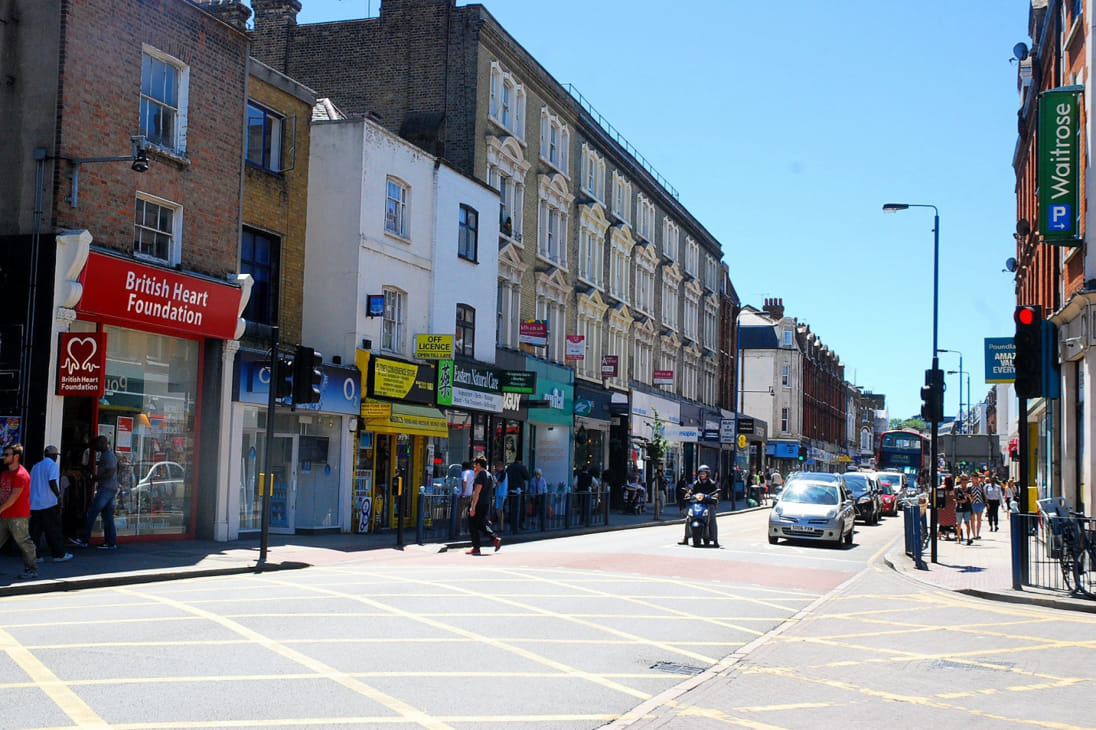
Transform Your Space with Wandsworth Putney Heath House Extensions

Homeowners in Wandsworth Putney Heath often look for practical ways to increase space without moving. A well-planned house extension gives you extra room, adds value, and improves your lifestyle. Whether you need a larger kitchen, a home office, or an additional bedroom, an extension can meet your needs with precision.
This blog explains how house extensions in Wandsworth Putney Heath can enhance your property and what you should consider before starting your project.
Key Takeaways
- House extensions provide extra space without relocating.
- You can choose from rear, side, loft, or double-storey extensions.
- Planning permission and building regulations play a crucial role.
- Smart design improves both usability and value.
- Budget planning and choosing the right builder ensure smooth execution.
Why Choose a House Extension in Wandsworth Putney Heath?
Property prices in Wandsworth Putney Heath continue to rise. Moving to a bigger home can cost significantly more than upgrading your current property. A house extension allows you to stay in your preferred location while gaining the space you need.
By working with Studio20 Architects, you gain access to creative design solutions that maximise every inch of your home.
You can customise every part of the extension. From layout to materials, you control the design. This flexibility ensures your home matches your lifestyle.
Popular Types of House Extensions
Different homes require different solutions. Here are some popular extension options in Wandsworth Putney Heath:
Rear Extensions
Rear extensions remain one of the most popular choices. They extend the back of your home and often create open-plan kitchens or dining areas. Many homeowners add large glass doors to bring in natural light.
Side Return Extensions
Terraced and semi-detached homes often include unused side space. A side return extension makes use of this area and expands narrow interiors into functional living spaces.
Wrap-Around Extensions
This option combines rear and side extensions. It offers maximum space and works well for creating spacious kitchens and living areas.
Loft Conversions
If you want to avoid changing your home’s footprint, a loft conversion adds an extra room above. Many people use it as a bedroom, office, or guest suite.
Double-Storey Extensions
A double-storey extension increases space on both floors. It suits growing families who need multiple rooms.
Planning Permission and Regulations
Before starting your extension, you must follow local planning rules. Some extensions fall under permitted development rights, but others require approval.
You should check:
- Property boundaries
- Extension height and size
- Impact on neighbours
Building regulations also apply to ensure safety and quality. These rules cover structure, insulation, fire safety, and ventilation.
Working with experienced professionals helps you meet all requirements and avoid delays.
Related Blog:- How to Apply for City of London Planning Permission Successfully
Design Ideas That Add Value
A thoughtful design improves both function and property value. Here are some ideas:
Open-Plan Living
Many homeowners prefer open layouts. Removing walls creates a spacious and modern environment.
Natural Light
Large windows, skylights, and glass doors brighten your home and reduce energy use during the day.
Indoor-Outdoor Connection
Bi-fold or sliding doors connect your home to the garden. This design works well for entertaining and relaxation.
Smart Storage
Built-in storage keeps your space organised without clutter.
Energy Efficiency
Insulated walls, energy-efficient windows, and modern heating systems reduce long-term costs.
Budgeting for Your Extension
You must plan your budget carefully before starting construction. Costs vary depending on size, materials, and complexity.
Key cost factors include:
- Design and architectural fees
- Labour costs
- Materials
- Planning and approval fees
- Interior finishing
Set aside extra funds for unexpected expenses. This step prevents financial stress during the project.
Choosing the Right Builder
A skilled builder plays a major role in your project’s success. You should:
- Check previous work and reviews
- Ask for references
- Confirm qualifications and insurance
- Request a clear contract
Communication also matters. A good builder listens to your ideas and provides practical solutions.
Timeline Expectations
Every extension project follows a timeline. While each case differs, most projects include:
- Design and planning
- Approval process
- Construction
- Final finishing
Smaller extensions may take a few months, while larger ones can take longer. Clear planning helps you avoid delays.
Common Challenges and How to Handle Them
House extensions can face challenges, but proper planning reduces risks.
Budget Overruns
Set a realistic budget and track expenses closely.
Delays
Work with professionals who follow schedules and communicate clearly.
Design Changes
Finalise your design early to avoid costly changes later.
Neighbour Concerns
Inform neighbours before construction begins to maintain good relationships.
Benefits of House Extensions
A house extension offers several advantages:
- Adds functional living space
- Increases property value
- Enhances comfort
- Avoids the hassle of moving
- Allows personalised design
These benefits make extensions a practical investment for homeowners in Wandsworth Putney Heath.
Ready to Upgrade Your Home?
Turn your ideas into reality with expert support from Studio20 Architects. Create more space, improve comfort, and increase your property’s value – all without leaving your neighbourhood.
Contact Studio20 Architects today to discuss your project and start building the home you’ve always wanted.
FAQs
Do I need planning permission for a house extension?
Not always. Some extensions fall under permitted development rights. However, larger projects usually require approval.
How long does a house extension take?
Most projects take between 3 to 6 months, depending on size and complexity.
Will a house extension increase my property value?
Yes. A well-designed extension can significantly boost your home’s market value.
Can I live in my home during construction?
In many cases, yes. However, larger projects may cause disruption, especially in key living areas.
What is the most cost-effective type of extension?
Rear and side return extensions often provide good value for money compared to larger structural change.