



Objective
Our objective is to help you choose the right London architects by showing you what to check before you appoint a practice, from qualifications and portfolio to planning permission, building regulations, fees and project management.
Key Takeaways
- Check that the person you hire is on the ARB Register.
- Look for experience with projects similar to yours.
- Check their knowledge of your London borough and local planning authority.
- Compare services and architect fees, not just the final price.
- Ask what happens after planning approval.
Introduction
Choosing from the many local architects London has to offer can feel difficult when every practice appears to promise good design and professional service. If you are planning a house extension, loft conversion, renovation or new build, the right choice is not simply the firm with the lowest quote or the most attractive portfolio. You need someone who understands your type of property, your local planning requirements, your budget and what you want to achieve.
Before you hire, check their experience with similar projects, knowledge of your local planning authority, professional registration, architectural drawings, services and architect fees. The Architects Registration Board (ARB) recommends checking the official Register and agreeing the scope, fees and terms of work clearly before the project starts.
This guide will explain the things you need to look for when looking at London architects, so you are able to ask more questions and make a better-informed decision for your house.
Table of Contents
- Check Relevant Project Experience
- Look for Local Planning Knowledge
- Review Credentials and Portfolio
- Understand Fees and Services
- Check Communication and Project Management
- Compare Your Shortlist
- FAQs
1. Check Relevant Project Experience
Start by asking whether the practice has completed projects similar to yours. Residential architects in London may work on very different property types, so relevant experience matters.
If you need a rear extension, look for previous extension projects. For a loft conversion, ask to see similar work. The same applies to basement conversions, flat conversions, renovations and new homes.
A useful question is:
Have you dealt with a property like mine in a similar London area?
This can tell you much more than a large portfolio filled with unrelated projects.
Studio20 Architects works across residential projects including extensions, loft and basement conversions, flat conversions, renovations and new builds. Its stated process covers the early site consultation through planning, technical design and project management.
2. Look for Local Planning Knowledge
London planning is not something you should treat as a one-size-fits-all process. Your local planning authority will assess your proposal against relevant planning policies and site conditions.
Before hiring local architecture firms, ask whether they have worked in your borough and understand its planning requirements.
Planning permission and permitted development
Some home improvements can fall under permitted development rights, but conditions and limits apply. GOV.UK also explains that an Article 4 Direction can remove permitted development rights in some areas.
That is why your practice should check the property and its planning position before promising what can be built.
Studio20 states that its planning service includes preparing drawings, submitting applications and working with local authorities.
3. Review Credentials and Portfolio
Before you appoint someone, check their professional status. The Architects Registration Board (ARB) advises clients to check the official Register before commissioning an architect.
Then review the portfolio carefully.
Look for:
- Projects similar to yours
- Work completed in London
- Evidence of planning knowledge
- Good architectural drawings
- Practical use of space
- Technical design experience
- Clear examples of completed work
Do not choose a practice simply because its images look impressive. Ask what problems were solved and what services were provided.
4. Understand Fees and Services
Two London architects can quote different amounts because their scopes of work may not be the same.
Before accepting a quote, ask whether it includes:
|
Service |
What to check |
|
Consultation |
Is the first meeting included? |
|
Survey |
Is a measured survey required? |
|
Design |
Are concept options included? |
| Planning |
Who prepares and submits the application? |
| Building Regulations |
Are technical drawings included? |
| Construction |
Is project support provided? |
ARB advises clients to agree fees in writing and check additional costs before work begins. It also recommends clear terms covering responsibilities, services and communication.
Studio20 states that it offers fixed-fee quotations, with fees based on the project scope.
5. Check Communication and Project Management
Good communication should start before you sign anything.
Ask:
- Who will be your main contact?
- How often will you receive updates?
- Who will prepare your drawings?
- Who handles planning queries?
- What support is available during construction?
ARB also recommends discussing the point of contact, update frequency and who will undertake the work.
A practice that explains the process clearly at the first meeting is easier to assess than one that only talks about the final design.
6. Compare Your Shortlist Before You Hire
Shortlist around three suitable practices and ask each one the same questions. Compare design experience, planning knowledge, services, fees, communication and previous projects.
Do not automatically choose the cheapest quote. A lower fee may exclude services that you later need.
A better question to ask
Instead of asking only, “How much will it cost?”, ask:
“Exactly what will we receive for this fee, and what could cost extra?”
That one question can prevent confusion later.
7. A Real London Example
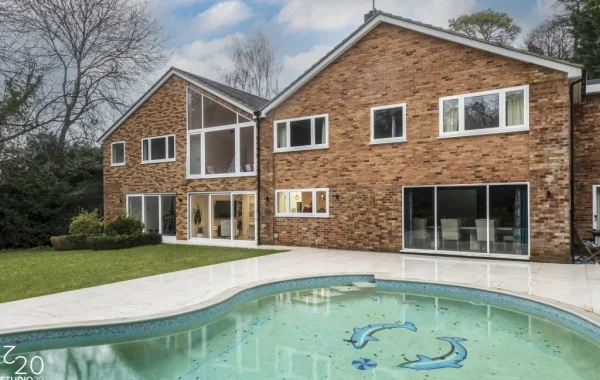
Studio20’s portfolio includes residential work in areas such as South Croydon and Richmond, including extension projects. Its South Croydon project demonstrates how planning considerations, design and interior requirements can form part of a wider residential brief.
The lesson for you is simple: when reviewing architectural firms in London, look for evidence that they understand the type of property and work you actually need.
The Right Choice Starts With the Right Questions
Hiring local architects in London is about finding the right fit for your property, not simply finding the nearest practice. Make sure you verify professional licensing, pertinent experience in the project and local knowledge about planning, the quality of their portfolio, and fees, as well as the complete range of services prior to making a decision.
If you’re comparing architects near me in London, begin by writing your brief for the project and then shortlist firms who have done similar projects. Studio20 Architects offers residential design, planning, technical design and project management services across London, making a consultation a practical next step if your project is ready to discuss.
Ready to Discuss Your Project?
If you are planning an extension, conversion, renovation or new home in London, start with a clear brief and discuss your requirements with a suitable local practice. A good initial consultation can help you understand the likely planning, design and technical steps before you commit.
FAQs
How do I choose the right architects in London?
Check relevant project experience, ARB registration, local planning knowledge, portfolio quality, fees and the services included.
Should I hire local architects for a house extension?
Local knowledge can be useful because your proposal must be assessed against the relevant planning rules and local authority requirements.
How much do architects charge in London?
There is no single standard fee. ARB states that fees vary by project, so agree the fee or calculation method in writing before work starts.
What should I ask before hiring an architect?
Ask about similar projects, planning services, drawings, fees, timelines, your main contact and what support is provided during construction.
How can I check whether an architect is registered?
Use the ARB Register and check the professional’s name or registration information before letting them commission.